
Morocco's Stance on Extradition and Migration Issues
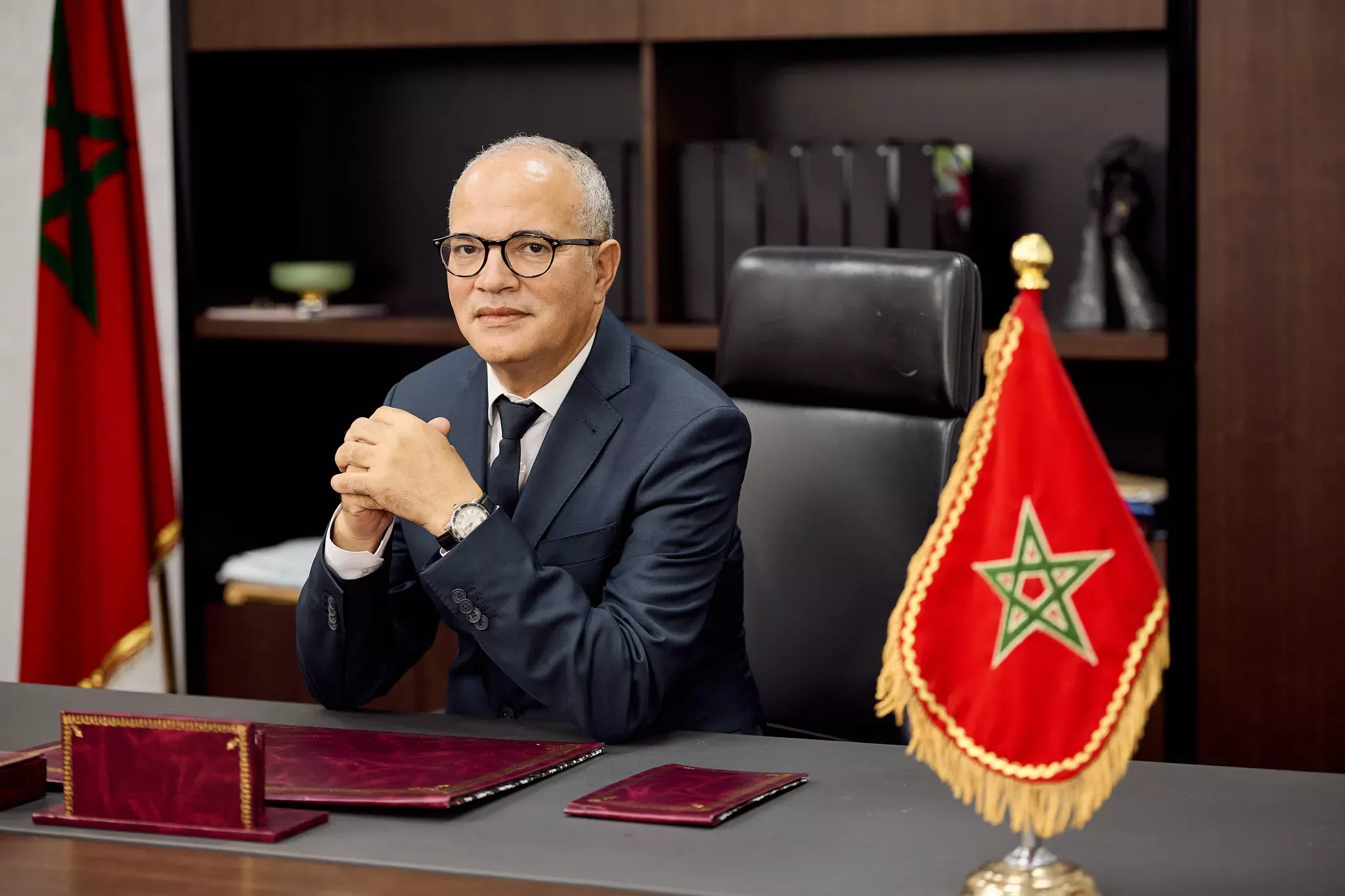
Morocco is currently contemplating the suspension of its extradition treaty with Spain, as announced by the kingdom’s Justice Minister, Abdellatif Wahbi. This declaration comes in the wake of ongoing tensions between the two nations, primarily stemming from Spain's recent actions which Morocco perceives as undermining its efforts to manage migration. Wahbi accused Spain of exacerbating the situation by legalizing the status of refugees, which he claims encourages more migrants to attempt crossing into Ceuta and Melilla, the Spanish enclaves located along the Moroccan coast. This situation has led to a growing list of grievances from Rabat towards Madrid, particularly following a recent crisis that has intensified these diplomatic strains.
In a revealing interview with international media outlets, Minister Wahbi expressed his readiness to halt the extradition treaty, citing significant disruptions in the transfer of detainees. He emphasized the urgent need for Spain to return Moroccan minors who have found themselves in its enclaves during this tumultuous period. The minister's comments reflect a broader concern regarding the treatment of minors and the responsibilities that Spain holds towards them, especially as the new school year approaches.
Demands for Repatriation and Sovereignty Issues
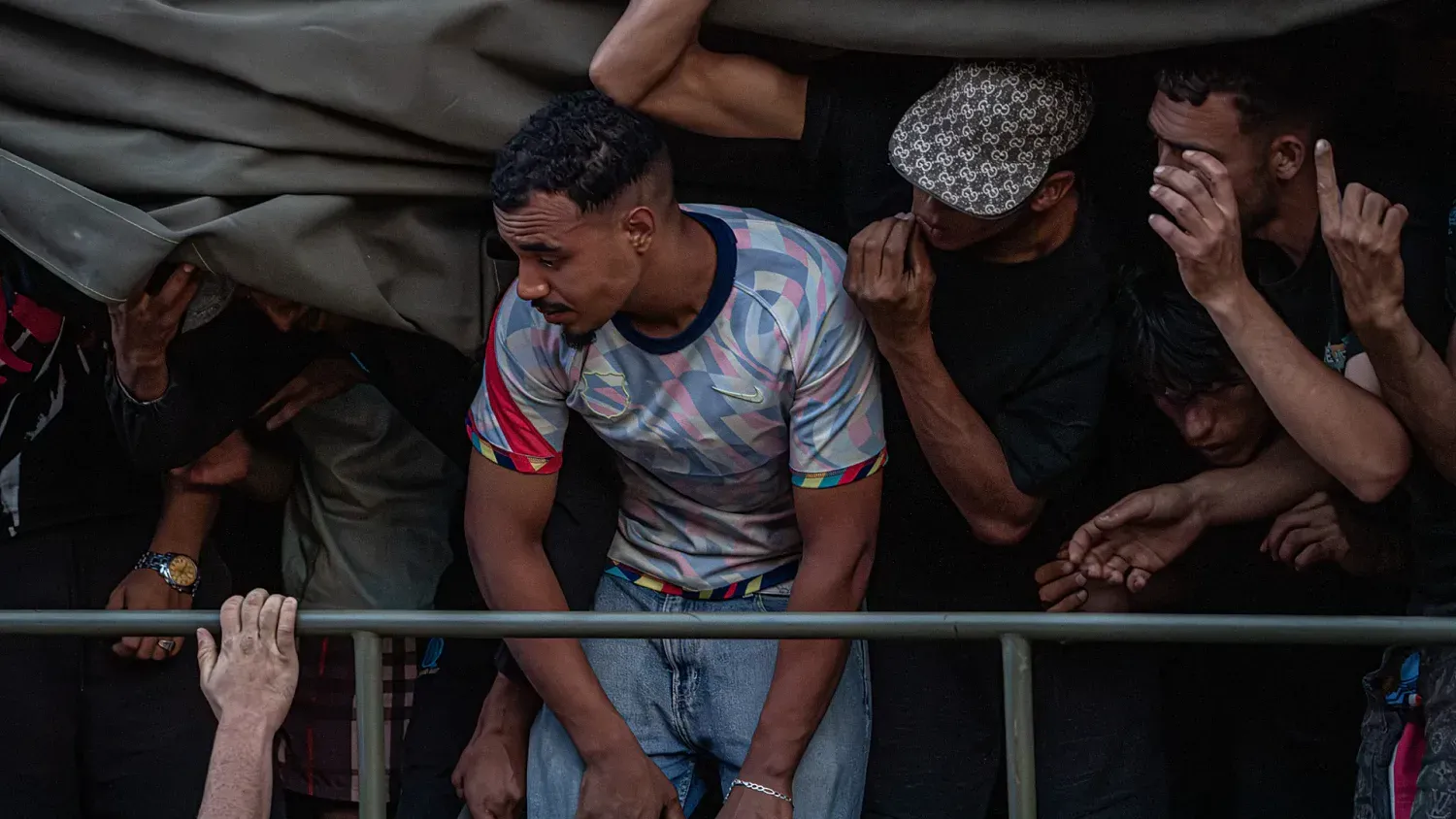
Wahbi has been vocal in demanding that Spain immediately repatriate all Moroccan minors who arrived in Ceuta during the recent crisis. He pointed out the critical issue of family separation, stating that it is unacceptable to keep children away from their families under the guise of ensuring their welfare. He characterized this separation as a crime, urging Spanish authorities to facilitate the return of these children to their home country, where they can reunite with their families and continue their education. The Moroccan government is reportedly seeking the return of over 1,300 minors who remain in Ceuta following a mass border crossing incident that occurred in July.
While Spain has expressed a willingness to cooperate with Morocco in accordance with EU laws, it has also maintained that any repatriation of minors must be done on an individual basis to ensure their safety and well-being. This stance has raised concerns regarding the feasibility and timeliness of the repatriation process. Additionally, the issue of sovereignty over Ceuta and Melilla remains a contentious topic. Wahbi affirmed that these territories are inherently Moroccan, although he refrained from outlining any specific plans or timelines for reclaiming them, suggesting that resolution may require a long-term strategy and diplomatic dialogue.
Contrastingly, Madrid asserts that the status of Ceuta and Melilla as part of Spain’s territory is unquestionable and recognized internationally. Diplomatic sources have reiterated that Spain's territorial integrity is not open for negotiation, reflecting a significant divide between the two nations regarding these sensitive issues. As these tensions continue to unfold, the potential suspension of the extradition treaty could have far-reaching implications for both countries.
As reported by unn.ua.