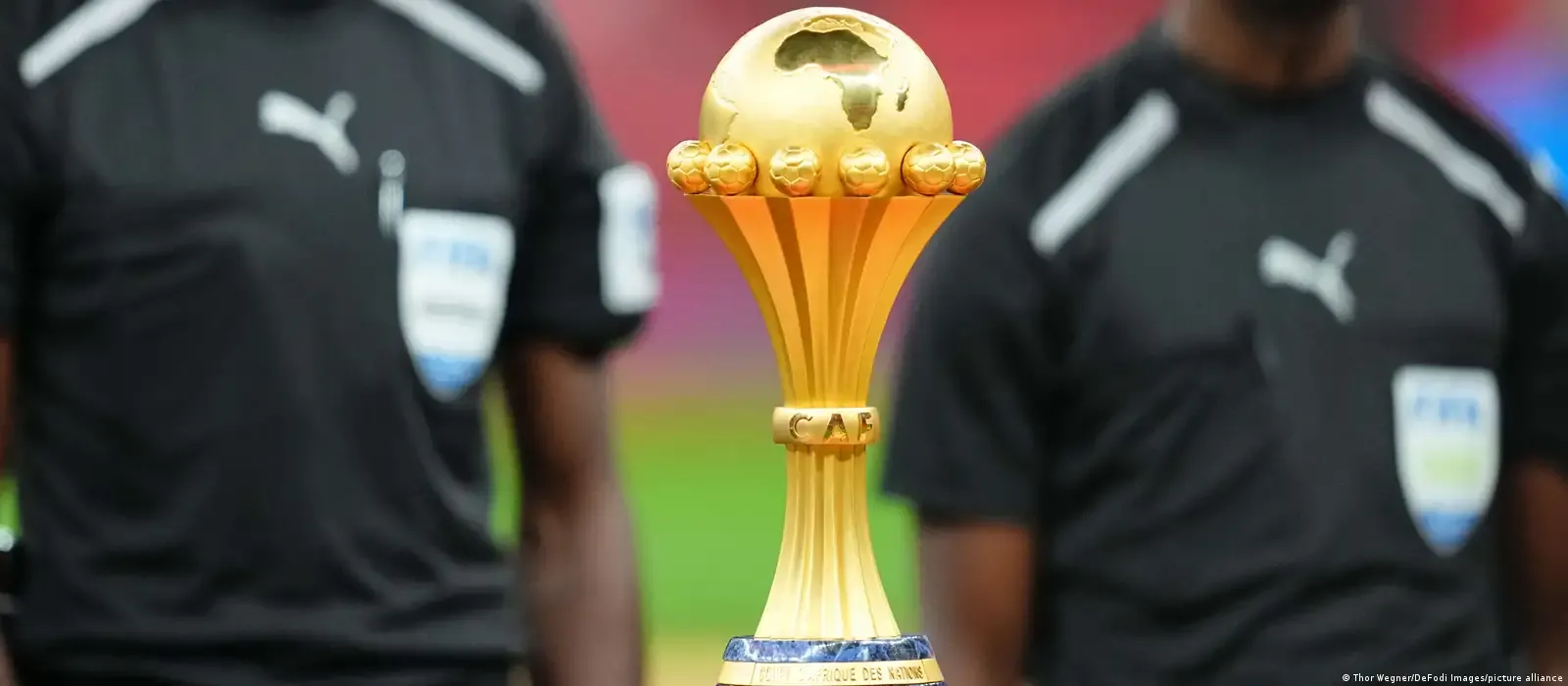

In a stunning turn of events, Morocco has been awarded the title of Africa Cup of Nations (AFCON) champions after the Confederation of African Football (CAF) overturned Senegal's victory from two months ago. The chaotic nature of the final, which captivated soccer fans around the globe, has now escalated into a dispute that transcends the sport itself. Celebrations erupted in Morocco as fans flooded the streets to commemorate their team’s unexpected triumph, while Senegalese supporters and officials expressed their disbelief, labeling the ruling as "unjust." The Senegalese government announced its intent to explore all available legal avenues to reverse this decision, demanding an international investigation into potential corruption within CAF.
The ruling by CAF's appeals board stated that Senegal forfeited the final match after several players left the field without the referee’s permission during a heated moment of protest against a contentious penalty awarded to Morocco, following a disallowed goal for Senegal. This dramatic incident led to Morocco receiving a default 3-0 victory despite Senegal having initially won the match in extra time, further intensifying the animosity felt by Senegalese fans and authorities.
Strained Relations Between Morocco and Senegal
Historically, Morocco and Senegal have maintained a strong relationship characterized by shared cultural, religious, and economic ties. The Tijaniyyah Sufi order, prevalent in both nations, exemplifies the spiritual connection, while Moroccan investments in Senegal’s finance and agriculture sectors showcase their economic cooperation. However, the fallout from the AFCON final and the subsequent ruling has placed this relationship under significant strain. Recently, a Moroccan court sentenced 19 Senegalese fans to prison terms of up to a year on charges of hooliganism related to the final, further exacerbating tensions. Seydina Issa Laye Diop, president of the Senegalese national team's fan group "12th Gaindé," emphasized that while the incidents should not harm bilateral relations, there is a limit to Senegalese patience regarding perceived injustices.
Comments from Senegalese citizens reflect a palpable change in sentiment. Mariama Ndeye, a student from Dakar, articulated her disappointment, stating, "When everything goes well, they call us their brothers. But when things don’t go their way, they start being nasty.” In response to the growing tensions, Morocco's embassy in Dakar urged its citizens to exercise restraint and reminded them that it is essential to keep the situation in perspective, as it is ultimately just a game. This plea reflects a recognition of the need to preserve the historical bond between the two nations amidst rising hostilities.
Allegations of Corruption and Favoritism in African Soccer
As the Senegalese government continues to allege corruption within CAF, frustrations have mounted regarding perceived favoritism towards Morocco, a nation that is also a co-host for the upcoming 2030 World Cup and has made substantial investments to bolster its status as a soccer powerhouse. In response to these allegations, CAF President Patrice Motsepe defended the organization against claims of bias, asserting that no African country would receive preferential treatment over another. His remarks were aimed at quelling growing discontent and restoring faith in the integrity of African football governance.
The situation remains fluid, with both countries now caught in a web of accusations and discontent that could have lasting repercussions on their historical camaraderie. As the legal battles unfold and public sentiment continues to shift, the focus will remain on how this controversy resolves itself and what it means for the future of soccer in Africa.
As reported by nbcnewyork.com.