
Moroccan Triumph Redefined: The AFCON Final Controversy
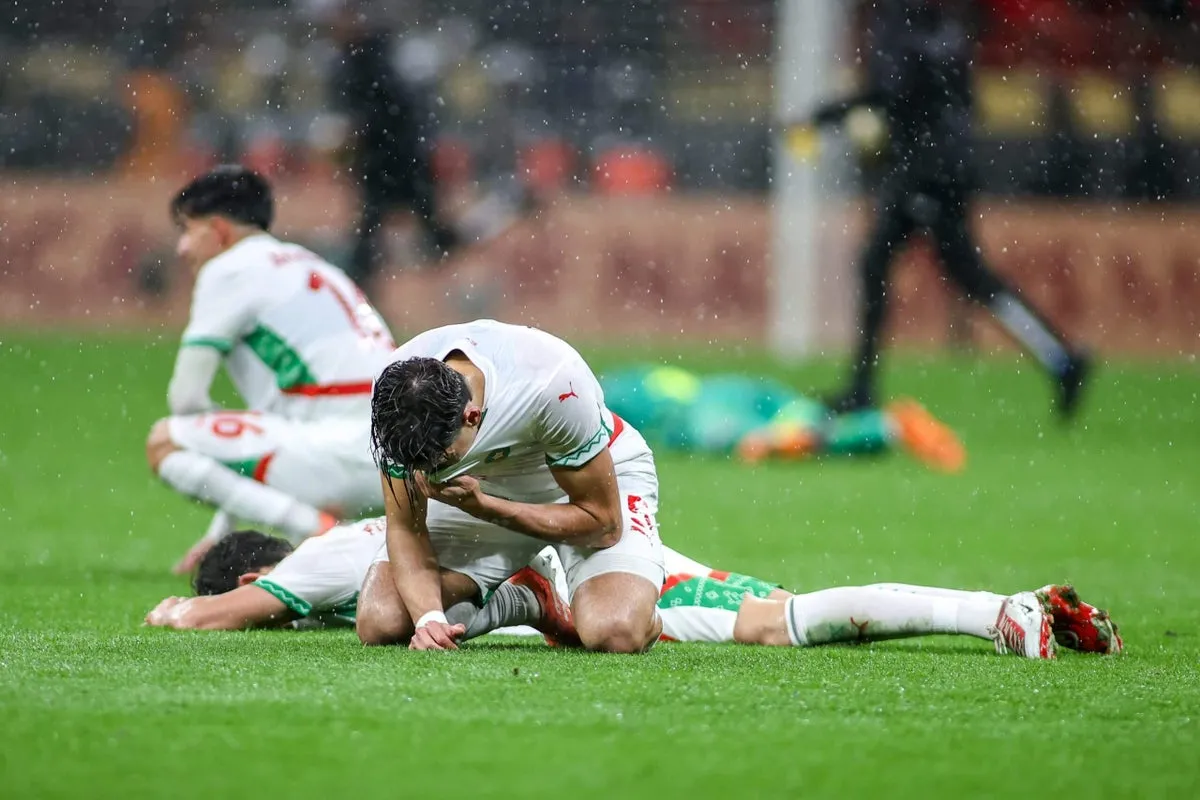
The emotional aftermath of the Africa Cup of Nations (AFCON) final in January has left players and fans alike grappling with a whirlwind of sentiments. Initially, Moroccan players were seen in tears, believing they had suffered a heart-wrenching defeat to Senegal, only for the narrative to take an unexpected turn. In a twist reminiscent of a comedic scene from the British version of The Office, the Confederation of African Football (CAF) has declared Morocco the rightful champions, overturning Senegal's 1-0 victory and instead awarding Morocco a 3-0 win. This surprising decision has ignited celebrations across Morocco, as jubilant citizens took to the streets of cities like Rabat and Casablanca, waving flags and expressing their joy over a championship that had eluded them for half a century.
However, the path to this victory has been marred by controversy. Senegal, unable to contest the decision within the CAF framework, is now preparing to take their case to the Court of Arbitration for Sport (CAS) in Switzerland. They argue that the match's officiating, particularly a critical moment involving a penalty awarded to Morocco, was flawed. The confusion and tension that characterized the final, culminating in a walk-off by Senegalese players, highlights the chaotic nature of the events. With fans and players alike questioning the integrity of the officiating, the fallout from this match not only impacts the teams involved but also casts a shadow over the credibility of CAF.
Corruption Allegations and the Future of African Football
The Senegalese government has called for an independent international inquiry into the CAF, labeling the decision to award Morocco the trophy as "grossly unlawful and profoundly unjust." This outcry reflects a broader concern regarding the governance of African football and the perceived influence of Morocco within CAF. The narrative of Moroccan power in football is not new; it has been perpetuated by previous incidents, including the controversial dismissal of a key referee following complaints from the Royal Moroccan Football Federation after the Women’s AFCON final last summer. This has fostered an atmosphere of suspicion and speculation around the integrity of officiating in African football.
As the dust settles on this tumultuous chapter, the implications for both Morocco and CAF remain significant. While Morocco relishes its newfound status as champions, the governing body faces scrutiny over its decision-making processes. The postponement of the 2026 Women’s AFCON, just days before its scheduled start in Morocco, only exacerbates the concerns surrounding CAF's credibility. Yet, despite these challenges, there is a silver lining as reports indicate a rising global interest in African football, with a 61 percent increase in viewership across Europe, South America, and Asia. This surge suggests that, even amidst chaos, there is an audience captivated by the unpredictable and raw nature of the sport on the continent. Ultimately, the events surrounding this AFCON final serve as a reminder of the complex interplay between sport, governance, and public sentiment, and the ongoing evolution of African football on the world stage.
As reported by nytimes.com.