
Morocco's Commitment to African Peace and Stability
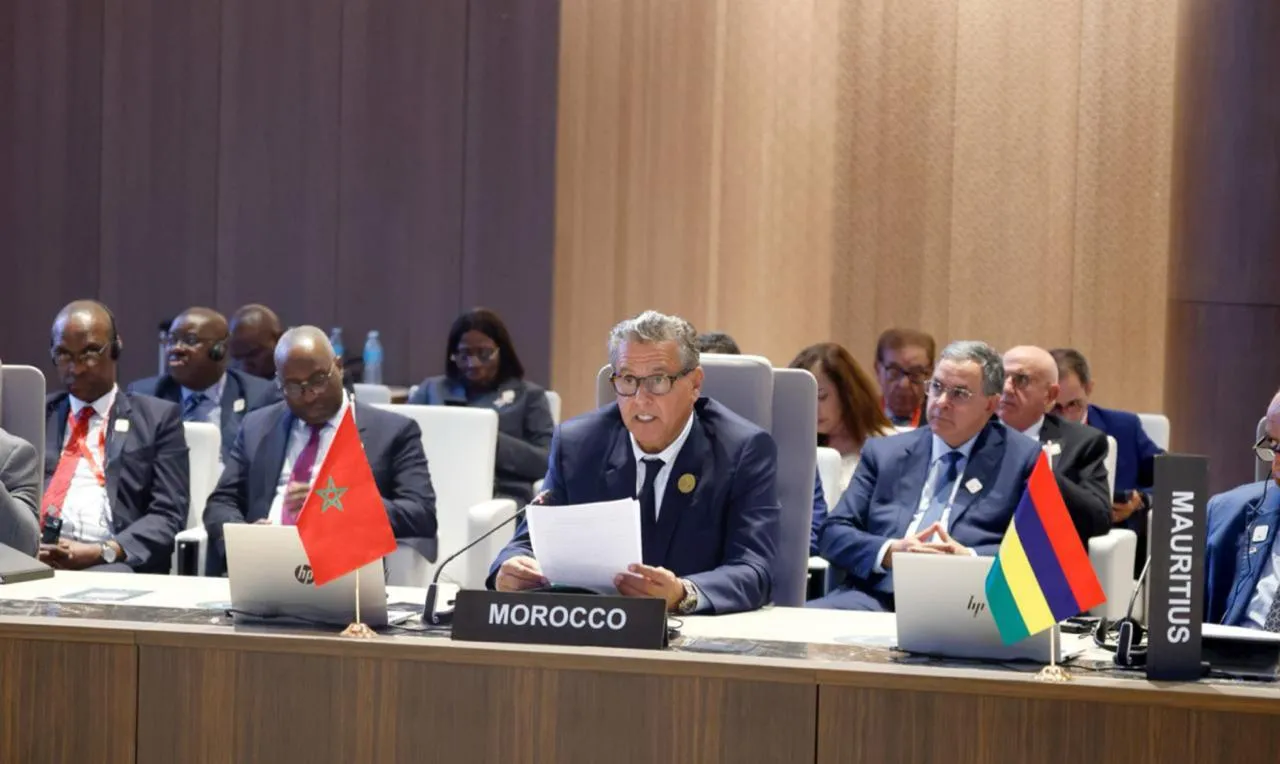
Under the visionary leadership of King Mohammed VI, Morocco has placed peace, security, and stability in Africa at the forefront of its strategic initiatives. This commitment was recently articulated by Head of Government Aziz Akhannouch during an extraordinary session of the African Union held in Luanda, Angola, focusing on enhancing mechanisms for conflict prevention and resolution. Representing the King, Akhannouch emphasized Morocco's ongoing contributions to various aspects of peacekeeping, mediation, post-conflict recovery, and proactive measures aimed at crisis prevention before they escalate into larger conflicts.
The session convened numerous African leaders and officials, all dedicated to exploring innovative strategies to bolster the continent's capabilities in conflict prevention and resolution. Akhannouch made it clear that Morocco's approach is rooted in the understanding that achieving peace, security, and development is an interconnected process. He stressed that sustainable conflict prevention necessitates addressing the foundational economic, social, institutional, climate, and humanitarian factors that often lead to instability.
Investing in Long-term Stability
Akhannouch articulated a compelling argument that peace cannot merely be constructed through reactive measures following the onset of crises. Instead, he urged African nations to focus on creating the conditions that foster long-term stability. This includes providing opportunities for youth, ensuring greater participation of women, and enhancing employment prospects, alongside bolstering food, water, and energy security. He highlighted the importance of infrastructure development, continental connectivity, and economic integration as integral components of a comprehensive peace-building strategy.
“We must transition from merely managing conflicts to cultivating an environment conducive to peace and preventing conflicts from arising in the first place,” Akhannouch stated emphatically. He also underscored King Mohammed VI’s commitment to fostering effective and concrete African South-South cooperation, with the ultimate goal of enhancing the well-being of African citizens.
Morocco aims to convert the concept of African solidarity into tangible initiatives, focusing on critical areas such as food security, water, energy, healthcare, training, investment, and infrastructure development. However, Akhannouch also acknowledged a spectrum of challenges that threaten peace and stability across the continent, including climate change, terrorism, transnational organized crime, and the emergence of non-state armed groups. These entities pose significant risks to state authority, sovereignty, and territorial integrity. Additionally, he cautioned against external interference and the rising threat of disinformation exacerbated by the misuse of modern technology.
In light of these challenges, Akhannouch called for a greater sense of African ownership over the continent's security and development agendas. While he recognized the necessity for strong and balanced international partnerships, he emphasized the importance of Africa enhancing its capacity to finance and sustain its own priorities, particularly regarding peacebuilding initiatives and long-term developmental projects. He argued that achieving this aim requires fostering greater confidence in Africa's inherent resources and capabilities and establishing robust frameworks to ensure the sustainability of its various initiatives.
Akhannouch attended the Luanda session alongside key figures, including Foreign Minister Nasser Bourita, Morocco’s Permanent Representative to the African Union and the UN Economic Commission for Africa, Mohamed Arrouchi, and Morocco’s Ambassador to Angola, Saadia Alaoui.
As reported by moroccoworldnews.com.