
Morocco's Enhanced Security Measures at the Ceuta Border
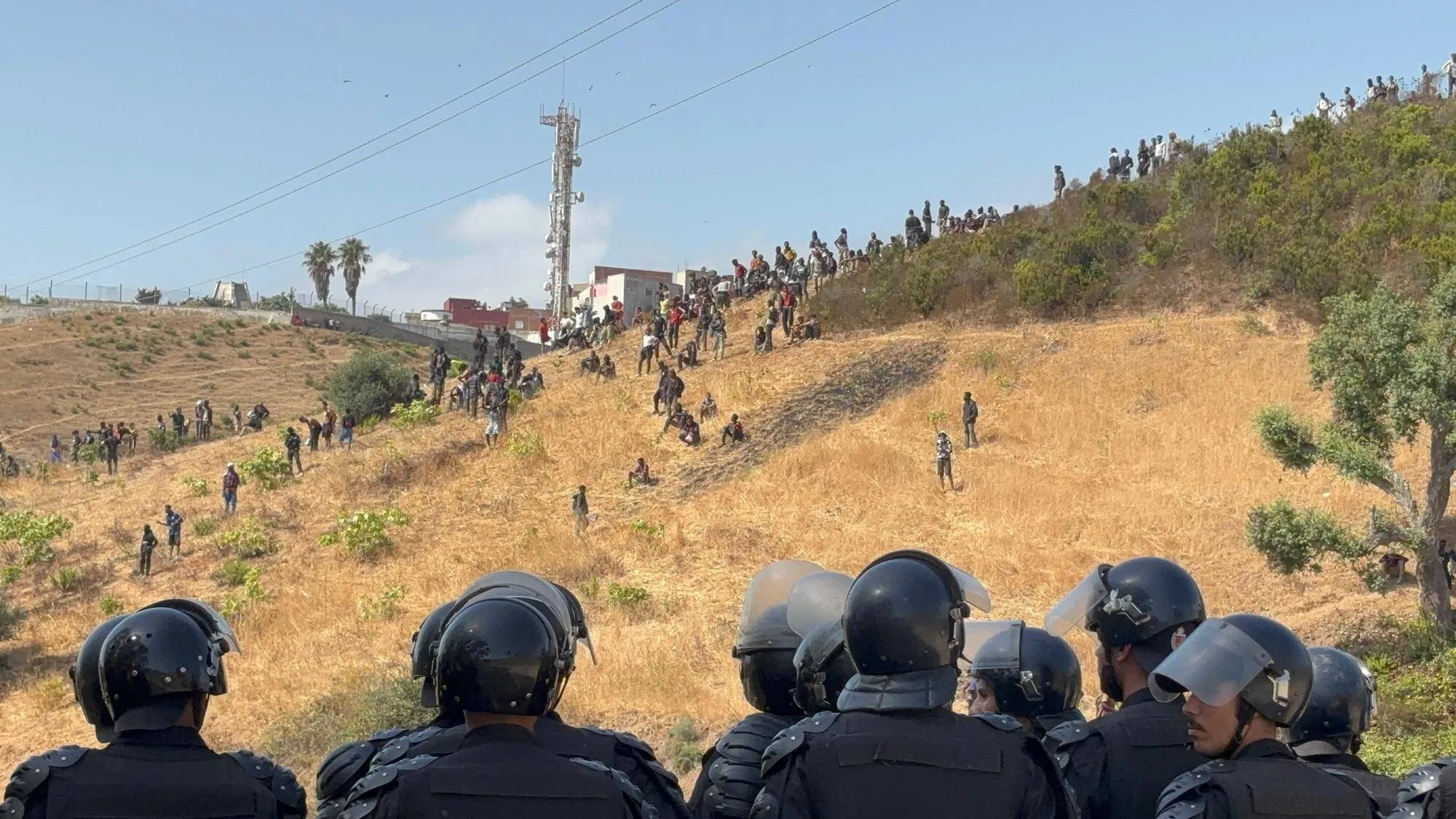
On August 15, 2026, a significant police presence was established at the border between Morocco and the Spanish enclave of Ceuta, as local authorities prepared for a predicted surge of migrants. Despite the extensive preparations and heightened security measures, the anticipated influx did not materialize, leading to a day marked by tension but ultimately a lack of significant events. The Moroccan government had mobilized an unprecedented number of police forces in response to social media announcements predicting a mass migration event, which heightened the atmosphere of uncertainty in the region.
Upon arriving in Fnideq, a town adjacent to Ceuta, the mood was one of apprehension. Local residents noted the unusual heaviness of police activity, with taxi drivers expressing frustration at the numerous checkpoints disrupting their daily routines. One local bakery owner voiced his concerns over the recent migrant wave on July 30 and 31, which had led to the disappearance of two of his employees. The uncertainty surrounding their fate—whether they had returned to Morocco voluntarily, reached Ceuta, or faced a more tragic outcome—was palpable among the community, emphasizing the human toll of such migration crises.
The Human Impact of Migration Policies
As Moroccan authorities act as the de facto gatekeepers for Europe, the implications of these migration policies extend beyond mere numbers. The heightened military and police presence not only aims to deter potential migrants but also reflects broader political strategies in managing migration flows. The situation in Ceuta highlights the complex interplay between migration, security, and humanitarian concerns, as local populations grapple with the repercussions of their government’s policies. The lack of a significant wave on this particular day does not diminish the ongoing challenges faced by both migrants seeking a better life and the communities affected by these policies.
As reported by letemps.ch.