
Morocco's Decision to Extend Wheat Tariffs
In a strategic move aimed at bolstering the local agricultural sector, Morocco has announced the extension of customs tariffs on soft wheat imports until the end of August 2026. This decision comes in response to delays in the harvest due to a combination of labor shortages and aging equipment, as well as the anticipated impact of the upcoming Eid al-Adha holiday. The Moroccan government is taking these steps to prioritize the marketing of local wheat, particularly as the country forecasts a significant increase in grain production, expecting to reach nine million tons this season following ample rainfall that has alleviated years of drought.
Challenges in Harvesting and Quality Concerns
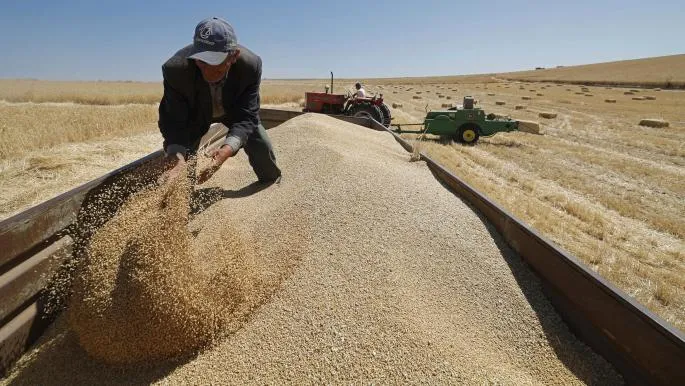
Despite optimistic projections regarding grain output, the harvesting process has faced serious challenges. As of late July, only 500,000 tons of wheat have been collected, falling short of the targeted 1.5 million tons. Many farmers are reportedly withholding a portion of their wheat to meet personal needs, which subsequently reduces the quantity available for market sale. The situation is further complicated by labor shortages, exacerbated by the coinciding holiday and the deterioration of harvesting machinery due to prolonged disuse during recent droughts. Additionally, some farmers are hesitant to leave their crops in the fields for extended periods due to concerns over potential fire hazards.
Moreover, the local milling sector has raised alarms regarding the quality of domestically produced wheat, which has seen protein levels drop to approximately 10.5%, below the minimum requirement of 11.5% necessary for producing quality bread flour. This decline is attributed to reduced use of nitrogen fertilizers, impacted by market disruptions. Consequently, millers are compelled to blend local wheat with imported varieties that boast higher protein content to achieve the desired flour quality.
With Morocco's current wheat reserves expected to last only three months, there is growing concern over supply shortages in the coming months. Traders are awaiting a government decision on the potential resumption of import support to secure necessary shipments for September. Delays in this decision could lead to increased shortages in supply and further complicate the market dynamics.
As reported by alaraby.co.uk.