
Controversy Surrounds Diplomatic Relations with Israel
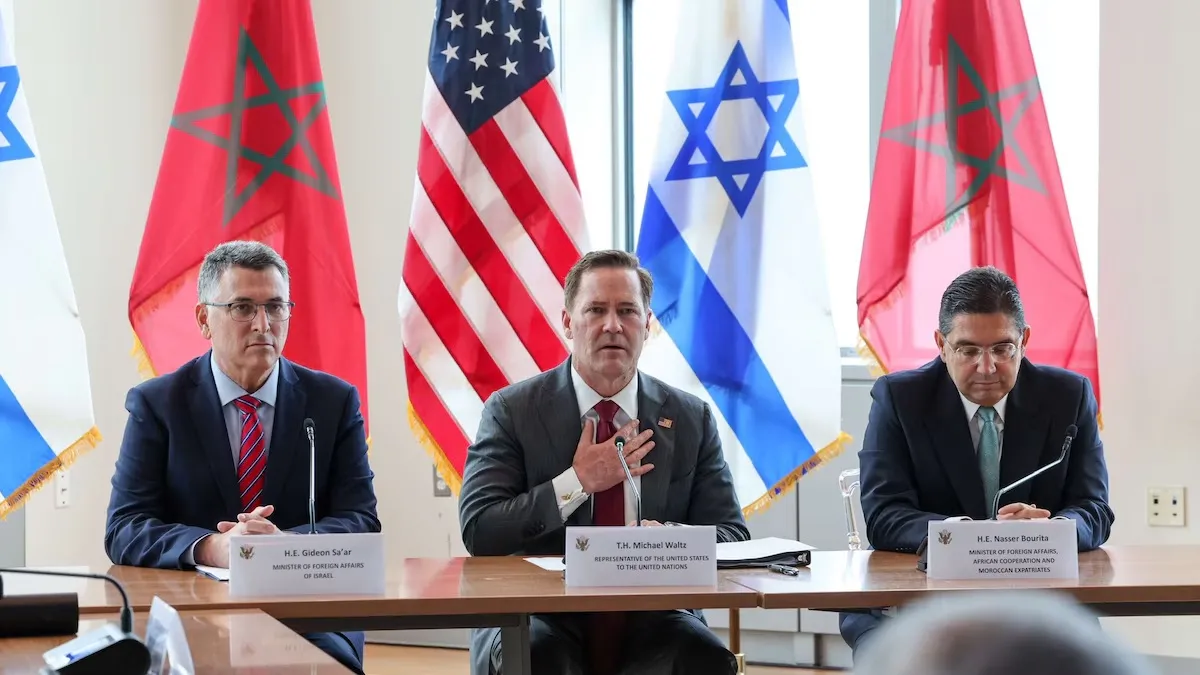
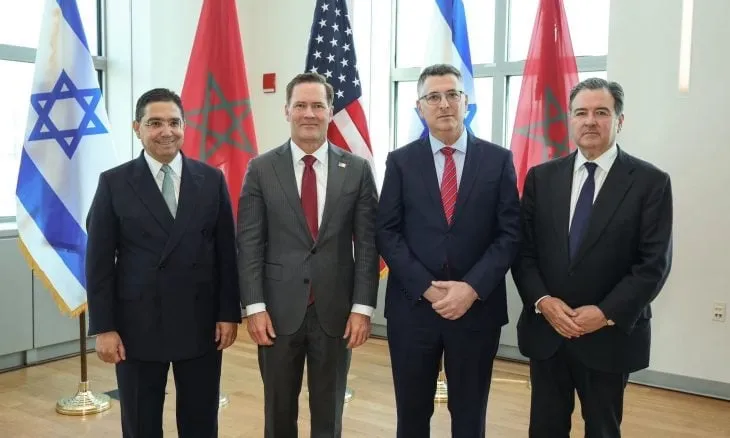
In a recent development, Morocco has been met with widespread condemnation as the government remains silent on the agreement reached in New York regarding the elevation of diplomatic relations with Israel to the level of full embassies and the exchange of ambassadors. This move has sparked outrage among many citizens who view it as a troubling step toward further normalization of ties with Israel, especially amidst ongoing violence against Palestinians. Social media has been inundated with expressions of dissent, featuring statements such as: "I am Moroccan, and I refuse to open an embassy for the Zionist entity in my country. It is a disgrace that while other nations expel representatives of this entity, Morocco chooses to welcome them. We will not allow our nation to be sullied by this shame."
Journalist Hajar Raisouni has observed that some individuals defend normalization with Israel under the pretext of serving the nation's highest interests against external threats. However, she emphasizes that Morocco's issues stem from internal crises rather than external tensions. Raisouni argues that a nation's strength is not solely built through alliances or military purchases; rather, it begins with addressing internal corruption, implementing genuine reforms, establishing institutional governance, and ensuring the rights and dignity of all Moroccans.
Reactions from Media and Political Figures
In an article titled "Normalization as a Tool for Submission," journalist Abdeslam Ben Sharif critiques the Israeli government, which, with American endorsement, has transformed normalization with several regimes across the Middle East and North Africa into a means of coercion and submission. He argues that the current diplomatic silence from Arab and Islamic states, coupled with Western complicity and double standards, has become a dangerous weapon employed by the Israeli government to undermine remaining hopes for peace.
Furthermore, the journalist Hassan Youssefi Al-Maghari described the decision to elevate diplomatic ties as a "disgraceful decision, one of humiliation and shame." Researcher and journalist Younes Imghran questioned why Moroccan officials would impose such a decision devoid of popular support, forcing citizens to accept the atrocities committed against Muslims in Gaza, the West Bank, and other regions. He expressed concern about Morocco’s historical identity and its stance against normalization, wondering if fear of American repercussions is influencing Moroccan sovereignty.
Mohammed El-Masawi, another journalist, called on all who oppose normalization with Israel to actively express their dissent against the opening of an Israeli embassy in Morocco. He urged citizens to raise their voices on social media, stating, "It is our right to refuse; we will not be silenced, nor will we stand as witnesses to the reception of the profane in our land."
In a related statement, the National Action Group for Palestine condemned the decision to elevate diplomatic representation with the Israeli occupation to embassy level, calling for the severing of all ties with the occupying entity. They expressed that transitioning from a liaison office to an embassy represents a dangerous shift in relations with a criminal adversary, whose leaders and soldiers are subject to international prosecution for their actions. The group emphasized that the priority should be to compel the occupying entity to cease its aggression against Gaza and ensure humanitarian aid reaches civilians.
Additionally, the opposition Justice and Development Party reiterated its steadfast rejection of all forms of normalization and any agreements with the occupying entity, which continues its campaign of genocide against the Palestinian people. The party urged its members to focus on their electoral campaign while reaffirming their commitment to uphold national unity and address the aspirations of Moroccan citizens.
As reported by alquds.co.uk.