
Morocco's Journey Post-Qatar 2022
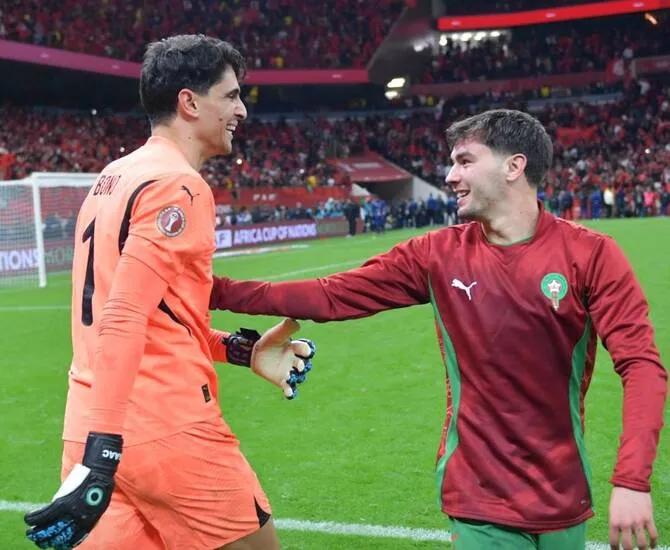
As Morocco gears up for the 2026 FIFA World Cup, the team is fueled by the remarkable success they achieved during the Qatar tournament. Having made history as the first Arab and African nation to reach the semifinals, Morocco now confronts the formidable task of maintaining that momentum. History provides a sobering reminder that following up an extraordinary achievement in international football is a significant challenge. For instance, Cameroon shocked the world in 1990 by reaching the quarterfinals, only to finish last in the subsequent tournament in 1994. Similarly, the notable runs of Sweden and Bulgaria in 1994 were followed by their failures to qualify for future tournaments. Croatia, Senegal, and Costa Rica have also faced the harsh reality of World Cup cycles, exemplifying how difficult it is for underdog teams to replicate their past performances. This historical context underscores the uphill battle that awaits Morocco as they prepare for a changed landscape in 2026.
Unlike their previous underdog status, the Atlas Lions now enter the World Cup as a team under scrutiny, expected to perform at a high level. The squad that ventured into Qatar was bolstered by the presence of key players such as Soufiane Boufal, Hakim Ziyech, Youssef En-Nesyri, and Romain Saiss, but more than 60 percent of that lineup will not appear in North America. The transition in personnel raises concerns about the team's ability to match their historic achievement. Moreover, Morocco's recent performance in the 2023 Africa Cup of Nations, where they were eliminated in the round of 16, has intensified doubts about their capacity to sustain their World Cup success.
New Leadership and Psychological Challenges
The aftermath of the Africa Cup of Nations has not only affected team morale but has also cast a shadow over coach Walid Regragui's tenure. Initially celebrated for leading Morocco to historic heights, Regragui is now facing criticism and calls for a change in leadership as fans express dissatisfaction with his tactical approach and media engagement. In response to this unrest, Mohamed Ouahbi, a FIFA U-20 World Cup champion, has emerged as a potential successor. His coaching style is anticipated to align more closely with the expectations of a team poised to dominate rather than merely react. However, Ouahbi's challenge extends beyond tactics; it delves into the psychological realm of managing expectations, a burden that Morocco has never shouldered before.
The opening match against Brazil, the most successful nation in World Cup history, presents an immediate test of character for Morocco. This encounter will serve as a litmus test for whether the Atlas Lions can handle the pressure that accompanies being a favored team. The weight of expectations, coupled with the lessons learned from recent tournaments, will ultimately determine Morocco's fate as they strive to carve out a new chapter in their footballing history.
As reported by arabnews.com.