Impact of Fuel Price Increases on Moroccan Residents
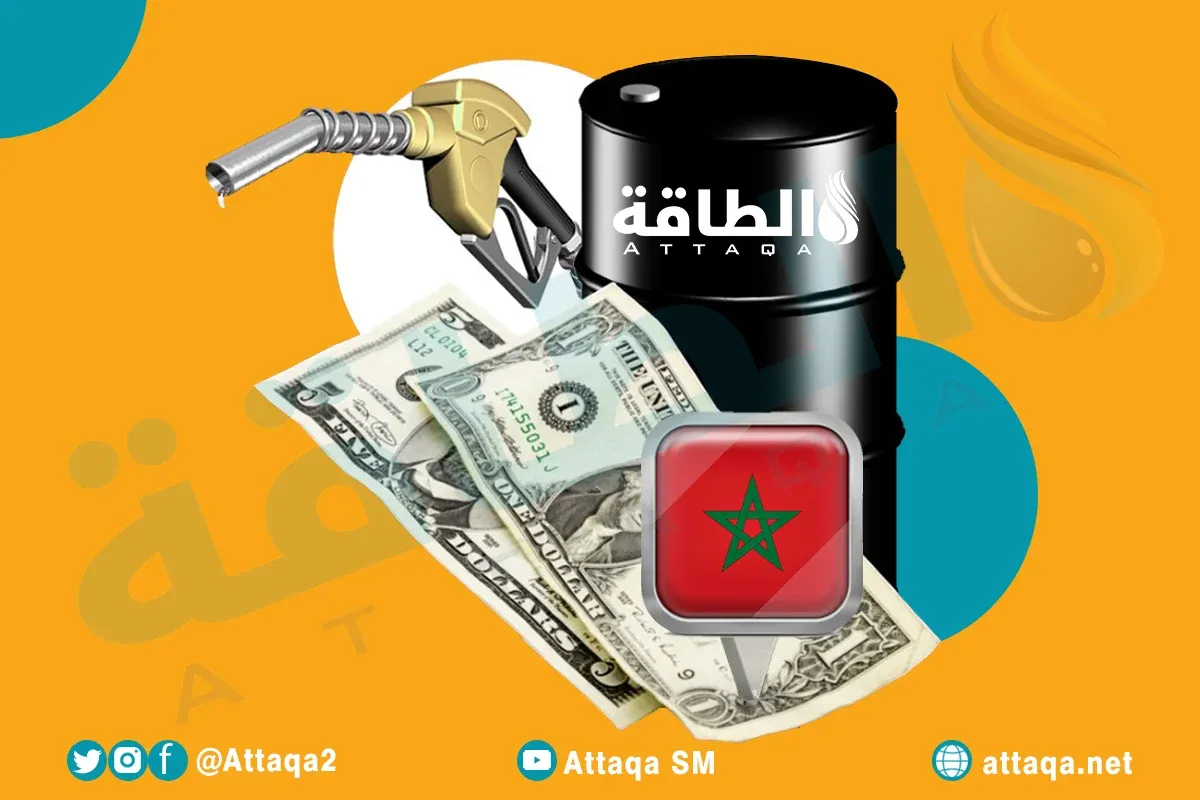
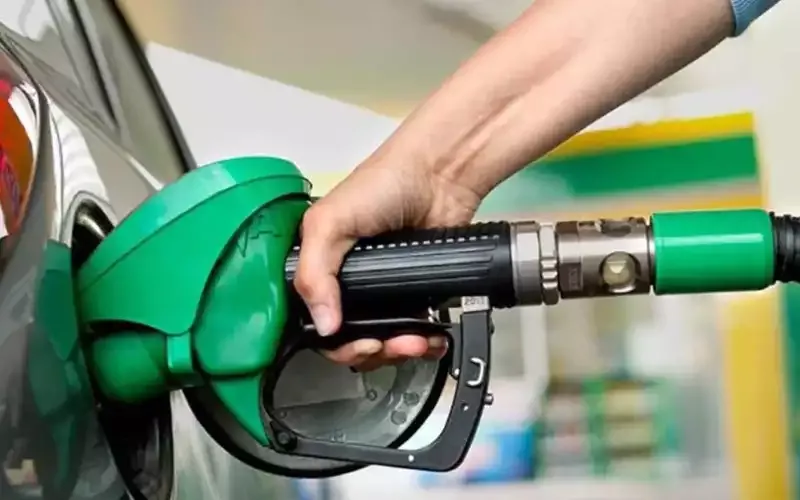
The ongoing conflicts in the Middle East, particularly the tensions surrounding the closure of the Strait of Hormuz, are manifesting in Morocco through rising fuel prices that are increasingly burdening its citizens. Residents of Rabat, the capital, and surrounding areas are experiencing firsthand the economic ripple effects of these surging costs. As the price of gasoline and diesel has surged by 0.25 dirhams per liter this week, local drivers and transport operators are feeling the pinch, as the increase directly influences the prices of goods and services throughout the country.
In light of this escalating crisis, the Moroccan government has announced a series of exceptional financial support measures aimed specifically at road transport professionals, encompassing both goods and passenger sectors. This initiative is designed to mitigate the financial strain caused by rising fuel prices on essential services such as bus operations, taxi services, and freight transportation. By providing targeted aid to these operators, the government seeks to minimize the secondary effects that fuel price hikes may have on the broader Moroccan economy, ensuring that the impact on consumers is kept to a minimum.
Global Energy Market Trends and Local Consequences
The situation in Morocco is a reflection of broader trends in global energy markets, which are currently experiencing significant disruptions due to the escalating conflict involving major players such as Iran, the United States, and Israel. These geopolitical tensions are reverberating through supply chains, leading to increased prices and uncertainty in fuel availability. As Morocco grapples with these realities, the government’s proactive measures aim to provide relief and stability to its citizens amid a challenging economic landscape.
As reported by africanews.com.