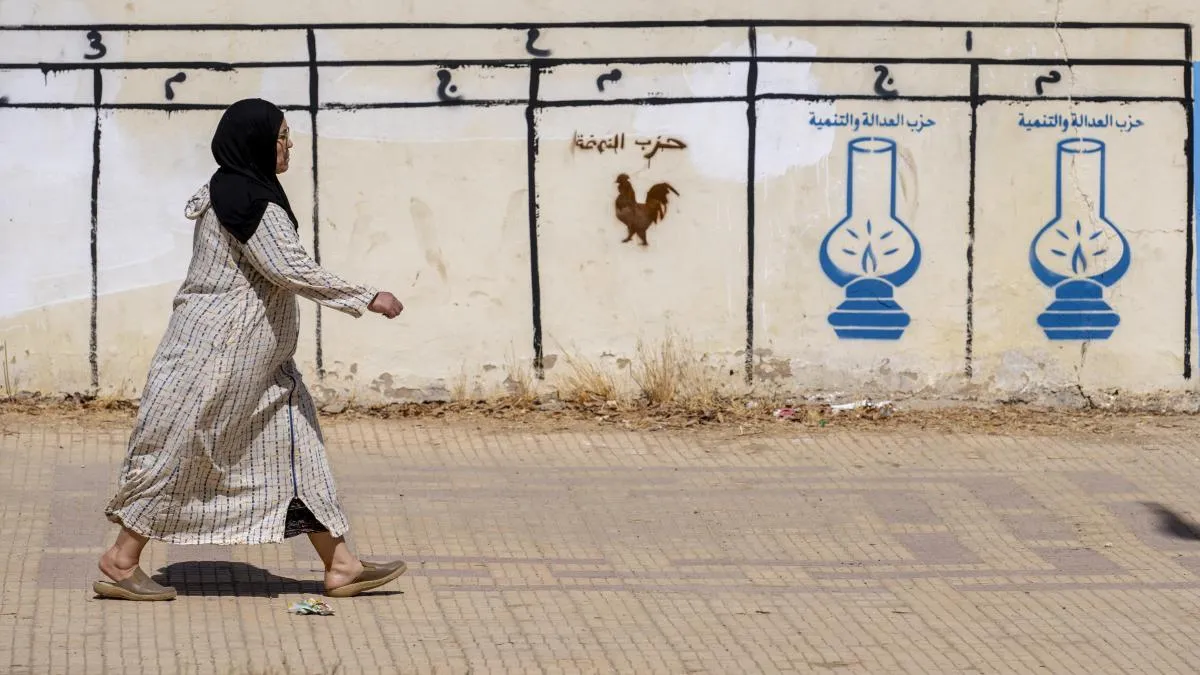

As Morocco approaches its parliamentary elections today, the nation grapples with ongoing challenges highlighted by the recent Ceuta crisis and a year marked by widespread youth protests. This election, the sixth since King Mohammed VI ascended to the throne, holds significant implications not only for the distribution of 395 seats in the House of Representatives for the next five years but also for the future composition of the government. Currently, the government is led by the conservative National Rally of Independents (RNI) in coalition with the centrist Party of Authenticity and Modernity (PAM) and the nationalist Istiqlal party. However, the electoral process appears largely ceremonial, as the Moroccan Constitution grants limited authority to both the Parliament and the executive branch, with crucial decisions being made at the Royal Palace. The King not only appoints the Prime Minister but also maintains direct control over key ministries, including Defense, Interior, Foreign Affairs, and Religious Affairs, establishing the strategic direction of the state.
This situation contributes to a pervasive sentiment of disillusionment among voters, particularly regarding the efficacy of their participation in elections. The question arises: why vote if the status quo is unlikely to change? Over recent years, voter turnout has hovered between 35% and 50%, and indications suggest that today's elections will fall within this range. Out of approximately 28 million eligible voters, only 15.8 million have registered, marking a decline of nearly two million compared to the 2021 elections, and not all of these registrants will likely cast their ballots.
Perhaps even more alarming is the disengagement among the youth demographic. Individuals aged 18 to 24 make up 12% of Morocco's population, yet they account for a mere 3% of registered voters. This stark statistic underscores a growing disconnect with a generation that feels the traditional political landscape offers no solutions to their pressing issues. The ruling elite has failed to engage citizens with the momentum generated by the so-called New Development Model, an ambitious initiative aimed at positioning Morocco as a leading industrial and logistical hub in North Africa.
Infrastructure projects, such as the Tangier Med port—the largest in the Mediterranean—and investments linked to the 2030 World Cup, exemplify Rabat's strategic aspirations. These advancements coincide with an increasingly proactive foreign policy that has garnered recognition from the United States, Spain, and France regarding Morocco's sovereignty over Western Sahara and normalized relations with Israel.
Despite positive macroeconomic indicators, with a GDP growth of 4.9% in 2025 and a projected rise of 4.2% for this year, the reality for many households tells a different story. A recent national survey revealed that 78% of the population believes their financial situation has worsened. The unemployment rate reached 13% last year, soaring to 37.2% among those aged 15 to 24. The minimum wage is set at just 320 euros per month, while the minimum pension stands at 100 euros.
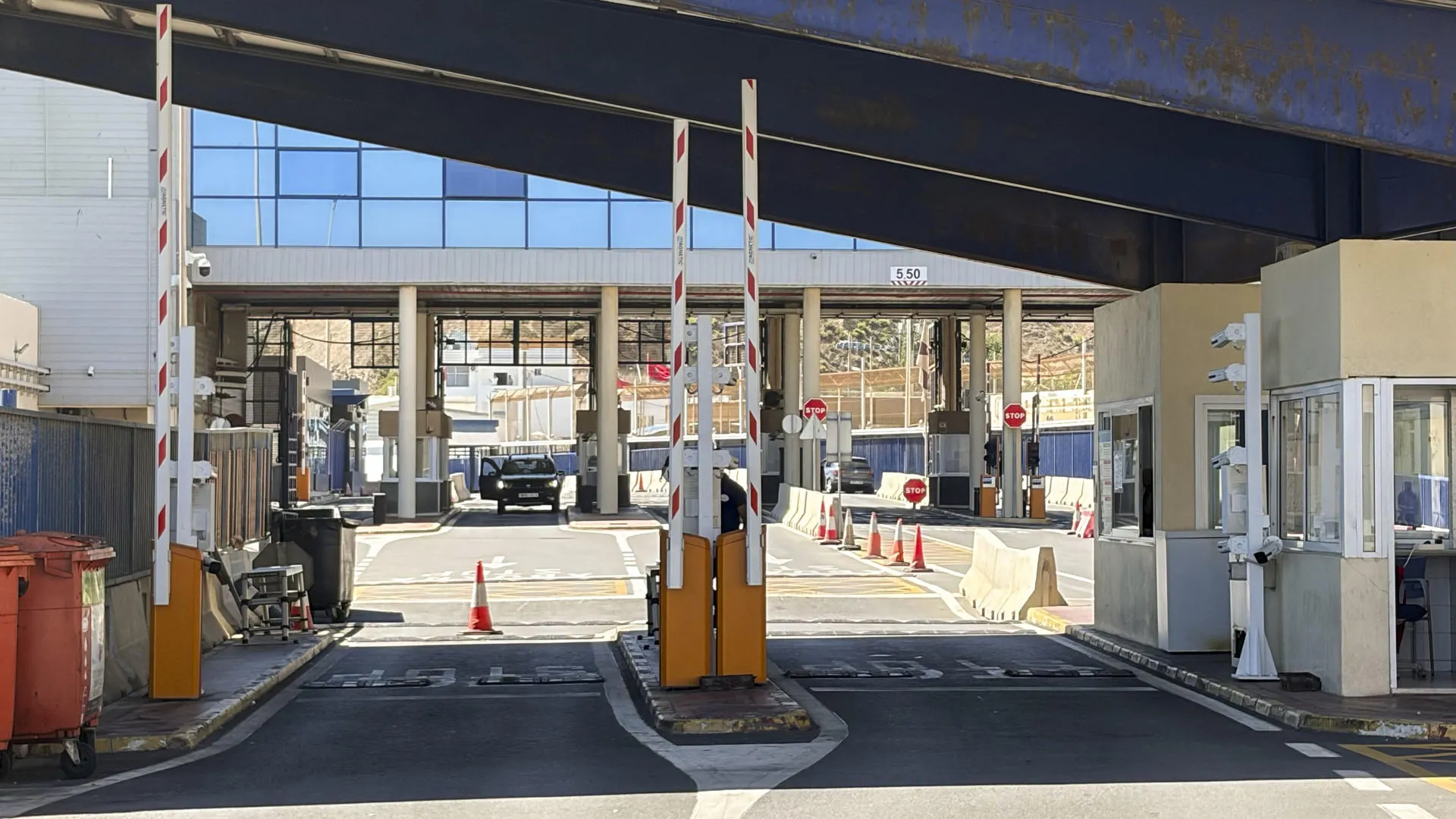
In light of these circumstances, many young Moroccans—up to 42.6% according to a survey by the Moroccan Youth Center—are contemplating emigration, even risking their lives in the process, as evidenced by the tragic events during the Ceuta crisis, where at least 140 individuals lost their lives attempting to cross the border. The surge of migrants in the Spanish autonomous city brought to light the underlying discontent that fueled mass protests in September 2025, where youth took to the streets demanding better basic services and greater opportunities for a future in their homeland.
The state responded with a heavy hand, leading to thousands of arrests, many of whom remain imprisoned. Nonetheless, the political parties vying for power now are keen to project that they have absorbed the lessons from these protests. Their electoral campaigns have focused on issues such as education, healthcare, and employment. For example, the RNI, led by current Prime Minister Aziz Akhnnouch, along with the PAM, headed by the president of the Football Federation, Fouzi Lekjaa, have pledged to create one million jobs. The RNI has also announced plans to increase the minimum wage, while the PAM proposes measures to combat inflation and the erosion of purchasing power.
However, skepticism abounds regarding the realization of these promises, especially since the RNI previously assured voters of one million new jobs in the last elections, a pledge that ultimately went unfulfilled. This failure to deliver on electoral commitments has been seized upon by opposition parties in recent weeks, yet it remains uncertain whether such discontent will translate into action at the polls, which are predominantly characterized by voter apathy.
As reported by lavanguardia.com.