
Transforming Waste Management in Morocco
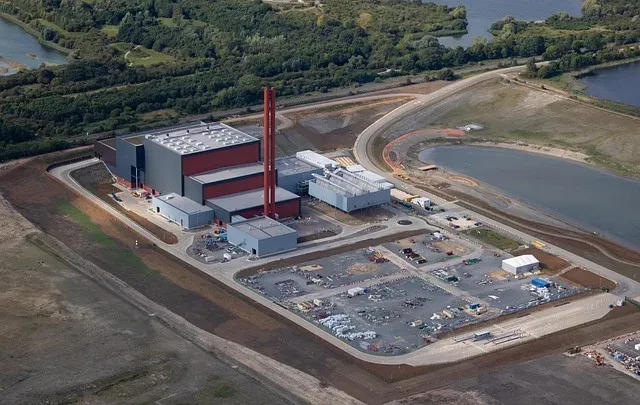
Morocco is poised to revolutionize its waste management system and enhance its renewable energy capabilities with the recent signing of pivotal agreements for a $1.5 billion (MAD 13.97 billion) waste-to-energy (WtE) facility in Casablanca. This landmark project is a collaborative effort among Swiss-based Kanadevia Inova, Moroccan energy firm Nareva, and the Japanese trading conglomerate Itochu Corporation. The signing of the concession agreement with the municipality of Casablanca, coupled with electricity off-take agreements with SRM Casablanca-Settat and Morocco’s National Office of Electricity and Drinking Water (ONEE), marks a significant progression towards sustainable waste management in the region.
The agreements establish a 33.5-year concession during which the facility will have the exclusive authority to manage and process approximately 1.5 million tonnes of municipal waste annually from Casablanca. This initiative aims to dramatically enhance waste recovery rates to about 80%, thereby significantly curtailing the reliance on landfills, which have long posed environmental challenges.
Innovative Energy Solutions for a Growing Population
Serving a population of over 4.2 million residents, the integrated project encompasses waste treatment, landfill management, and renewable electricity generation. The facility is projected to produce around 126 megawatts (MWe) of baseload electricity, supported by a 50-megawatt solar photovoltaic installation and a 4-megawatt landfill biogas recovery system. Collectively, these installations are anticipated to generate approximately one terawatt-hour (TWh) of electricity each year, sufficient to power nearly one million individuals.
As highlighted in a recent press release by Kanadevia Inova, this project comes at a critical time as Morocco faces escalating electricity demand, which is estimated to rise by about 3% annually through 2030. Furthermore, it aligns with the country’s broader energy transition goals, underscoring its commitment to sustainable practices. The facility's location adjacent to the Mediouna landfill, one of Africa's most significant methane-emitting sites, positions it as a catalyst for reducing greenhouse gas emissions through a strategic shift from landfill disposal to energy recovery.
Fabio Dinale, Executive Vice President of Business Development at Kanadevia Inova, emphasized the project’s potential to help Morocco transition away from methane-generating landfill practices. He expressed enthusiasm about collaborating with clients to develop this essential infrastructure that will contribute to combating climate change and will be a source of pride for future generations. CEO Bruno-Frédéric Baudouin remarked that this investment signifies a crucial milestone for the company’s international expansion into the African market, reflecting both the strength of their technology and the confidence of their partners.
In addition to its environmental benefits, the project is expected to create approximately 140 permanent skilled operational jobs. During the estimated three-and-a-half-year construction phase, the project will employ around 1,240 workers, along with an additional 300 jobs related to supporting infrastructure works.
As reported by moroccoworldnews.com.