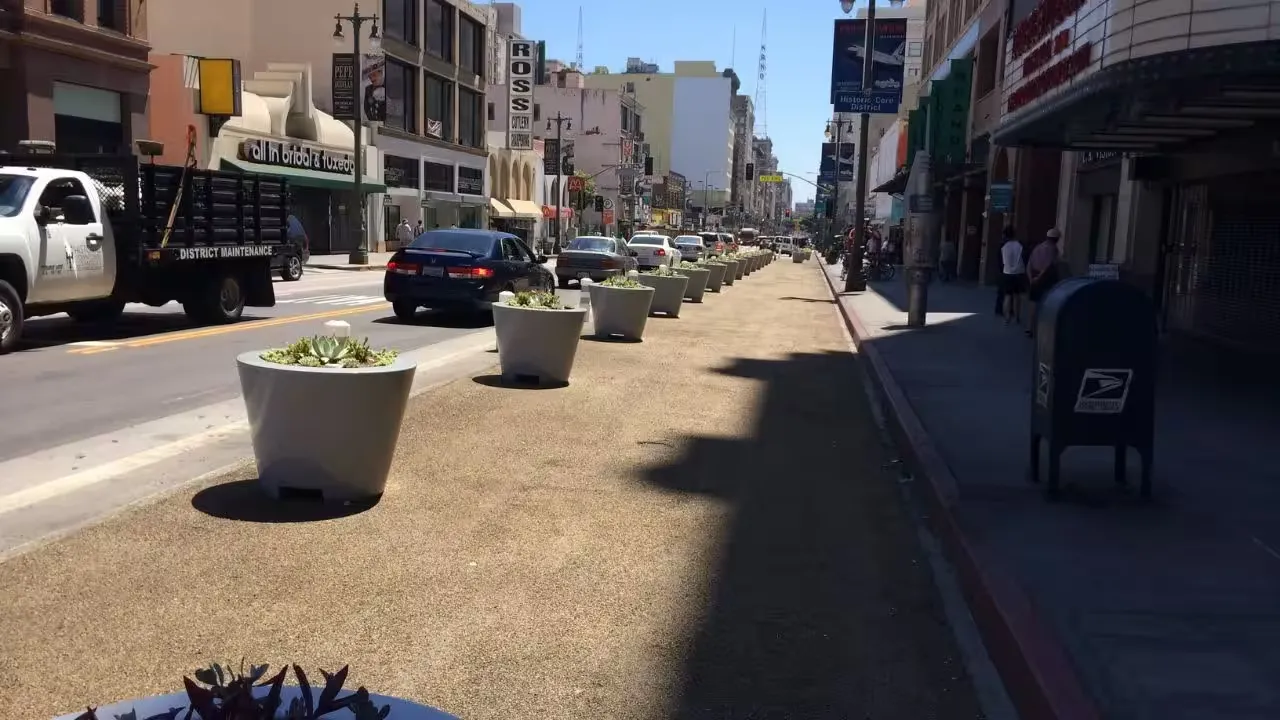

Morocco is currently experimenting with an innovative 'sponge' pavement designed to replace the traditional black asphalt on the roads of Marrakech and Agadir. This groundbreaking material not only facilitates effective water drainage but also possesses the remarkable ability to cool itself through evaporation, potentially lowering surface temperatures by as much as 16°F. For years, black asphalt has dominated road construction, but the rising temperatures in urban areas have prompted the exploration of more environmentally friendly alternatives.
The sponge pavement aims to alleviate the sweltering heat during the summer months while simultaneously enhancing water management. By allowing water to infiltrate the surface, the pavement minimizes runoff, filters pollutants, and contributes to a cooler urban environment through the evaporation process. Reports from Moroccan media indicate that localized trials are currently underway, wherein specific sections of conventional asphalt are being replaced with this permeable material, allowing for greater water absorption and retention.
The effectiveness of such pavement is further underscored by a pilot study conducted in Arizona, referenced by the U.S. Environmental Protection Agency, which revealed that conventional pavement could reach up to 152°F at midday. In contrast, specially designed cool surfaces maintained temperatures that were 10°F to 16°F cooler, underscoring the importance of alternative materials in combating urban heat islands, where city infrastructure tends to retain and radiate heat long after the sun sets.
One common experience that highlights the discomfort of traditional surfaces is walking across a parking lot in thin-soled shoes, which can become unbearably hot. Conventional asphalt usually creates a sealed surface, causing rainwater to flow off into drains, rather than being absorbed. In contrast, the permeable pavement features interconnected voids that allow rainwater to penetrate a stone base and, where conditions permit, infiltrate the ground beneath. This moisture retention enables some of the stored water to evaporate, similar to how perspiration cools the human body. This process not only reduces surface temperatures but also mitigates the impact of heavy rainfall by decreasing the risk of flooding.
However, studies conducted by Rutgers University have indicated that while permeable concrete can release 25% to 30% less heat than traditional concrete following rainfall, it may emit slightly more heat on hot, dry days. Therefore, the cooling effects of this innovative pavement are dependent on local moisture levels, design, and environmental conditions.
The broader implications of this pavement initiative align with Marrakech's commitment to a sustainable urban future, as highlighted by the city's “Marrakech Sustainable City” program, launched in 2023. This initiative, which brings together various stakeholders including the Ministry of Energy Transition and Sustainable Development, aims to enhance climate resilience, improve mobility, and promote energy efficiency, ultimately benefiting over a million residents.
The sponge pavement serves as a potential solution within this expansive agenda, demonstrating how infrastructure can play a crucial role in climate adaptation efforts. For instance, the enhanced drainage properties of this pavement design can significantly improve driving conditions during rain, reducing water accumulation on road surfaces and enhancing vehicle traction. Additionally, a cooler urban environment could lessen the demand for air conditioning in vehicles, which is particularly beneficial for both gasoline and electric cars, although the exact impact on electric vehicle range remains to be measured.
Nonetheless, it is essential to acknowledge that permeable pavement is not universally applicable to all road types. Factors such as fine dirt, tire debris, and sediment can clog the pores of the pavement, necessitating regular maintenance and careful stormwater management to ensure sustained functionality. Moreover, heavy traffic and extreme loads may render certain locations unsuitable for this material, which is why current applications predominantly focus on sidewalks, parking areas, and lightly traveled streets.
In the context of Marrakech, where rising temperatures and increasing heat stress the city’s infrastructure, effective water management becomes crucial. The evaporation cooling effect diminishes when stored moisture is depleted, prompting urban planners to carefully balance the need for cooler streets with the responsible use of water resources. Other regions, such as Spain, have explored similar concepts, implementing light-colored pavements designed to reflect solar energy, thereby reducing road surface temperatures significantly.
Ultimately, the exploration of 'cool pavement' materials highlights the diverse approaches cities can take to combat the challenges posed by climate change. As urban areas continue to evolve, it becomes increasingly important to match the materials used in construction with the specific climatic, traffic, and maintenance needs of each location.
As reported by timesofindia.indiatimes.com.