
Morocco’s Stance on Palestine Remains Unchanged Despite Ties with Israel
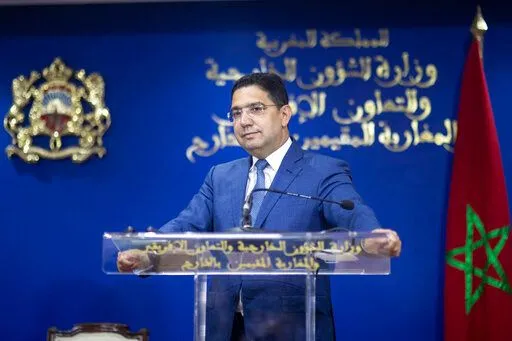
In a recent interview, Moroccan Foreign Minister Nasser Bourita emphasized that the resumption of relations between Morocco and Israel has not altered Rabat's position on the Palestinian issue, nor will it in the future. He reiterated Morocco's commitment to the two-state solution, advocating for a peaceful coexistence between Israel and Palestine. Bourita firmly rejected the notion that Morocco's burgeoning military and commercial ties with Israel undermine the Palestinian cause, labeling such interpretations as misguided. He underscored that Morocco's support for the legitimate rights of the Palestinian people remains steadfast and is not contingent upon its relationship with Israel.
Bourita also addressed the escalating tensions between Morocco and Algeria, asserting that Algeria has increasingly adopted a confrontational stance. He noted that the Algerian government had previously cited various reasons for severing diplomatic ties with Morocco, with the Israel-Morocco relationship being just one among several issues. Bourita pointed out that Algeria's subsequent positions have taken on a unilateral character, which he believes detracts from constructive dialogue.
Focus on Cooperation Rather Than Confrontation
Despite the ongoing disputes, Bourita asserted that Morocco is not pursuing a policy of escalation towards Algeria. He highlighted that King Mohammed VI has chosen not to engage in retaliatory measures against Algeria's unilateral decisions, preferring instead to maintain a focus on cooperation and mutual interests. Bourita expressed concern that excessive posturing could diminish Algeria's influence on regional matters. He emphasized that Morocco is committed to prioritizing what unites the two nations and their peoples, rather than allowing divisions to predominate.
Regarding the potential for military conflict, Bourita clarified that Morocco is not on a path of escalation and does not want to let current disputes dictate the future. He acknowledged the geographical realities that bind the two countries and reiterated that the focus should be on fostering positive relations rather than deepening existing rifts. Bourita asserted that Morocco is present in its territories and views its military presence in the Western Sahara as a legitimate act of self-defense, while still supporting efforts to resolve the conflict through the United Nations.
Bourita articulated Morocco's approach to resolving the Western Sahara issue through a proposal for autonomy under Moroccan sovereignty. He stressed that this initiative aligns with United Nations resolutions and provides a framework for political dialogue. He accused Algeria of rejecting this international framework, which he believes is essential for negotiations. He is clear that Morocco seeks to resolve the dispute solely through the Moroccan autonomy initiative, and he considers the roundtable discussions as a crucial platform for all stakeholders involved.
On the subject of Israel's observer status within the African Union, Bourita highlighted the procedural aspects, calling for adherence to the organization's regulations and criticizing attempts by some nations to impose their positions on the union. He noted that 44 African countries maintain relations with Israel and questioned the consistency of opposing such ties at the continental level. In closing, Bourita touched upon the situation in Libya, indicating that the Libyan people themselves have set a timeline for elections, despite recognizing the challenges involved. He expressed that political negotiations are essential in transitioning from military confrontations to establishing a constitutional basis for governance.
As reported by i24news.tv.