
Morocco's Commitment to Green Industry Transformation
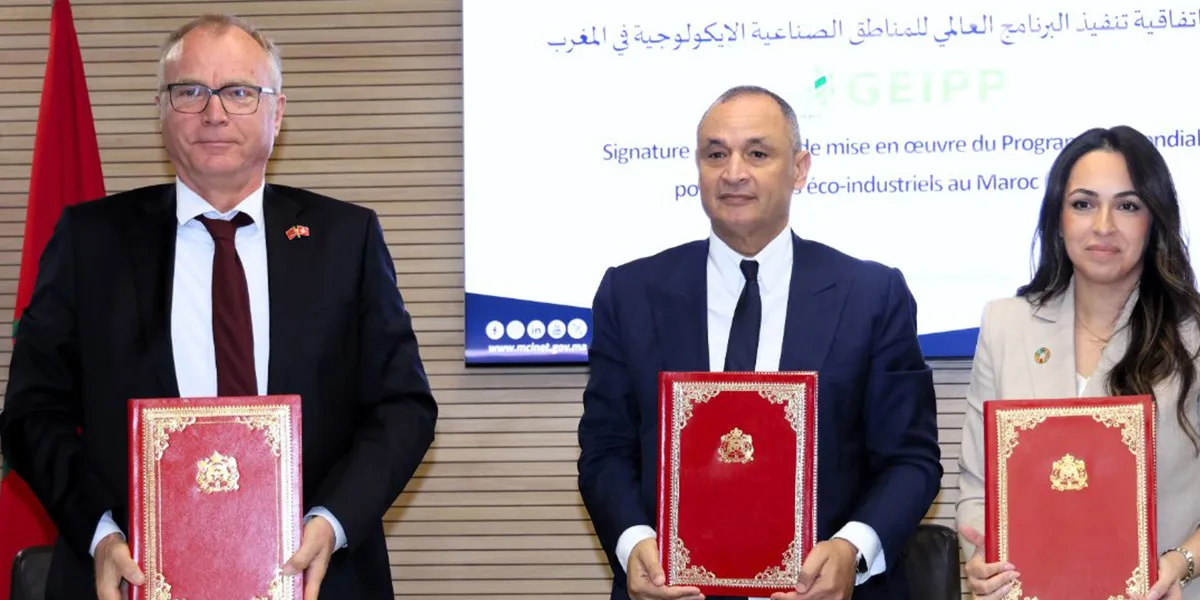
On March 16, 2026, Morocco officially commenced the second phase of its Global Eco-Industrial Parks Program (GEIPP II) in a ceremony held in Rabat, underscoring the nation's commitment to industrial ecological transformation. This initiative, backed by a budget of three million Swiss francs for the period spanning 2026 to 2028, aims to bolster Morocco's position among countries dedicated to sustainable industrial ecosystem restructuring. The collaborative effort involves the Ministry of Industry and Trade, the Swiss State Secretariat for Economic Affairs (SECO), and the United Nations Industrial Development Organization (UNIDO).
The program targets five strategically selected industrial zones, ranging from Kenitra to Nador, including Jorf Lasfar, which will receive tailored support over three years. By focusing on both emerging industrial hubs and historically active zones, the program reflects the Moroccan government's intent to embrace the entirety of the national productive fabric. This approach is not merely cosmetic; it seeks to instigate large-scale experimentation in the realm of eco-industrial parks.
Driving Circular Economy Principles
The GEIPP II program is designed to implement core principles of the circular economy within industrial processes. This includes optimizing resource usage, fostering inter-company synergies, and reducing carbon footprints. The dual objectives of the initiative encompass not only environmental sustainability but also economic competitiveness, as it is anticipated that companies will enhance their effectiveness through better resource management. The initiative builds upon previous experiences from the pilot phase called "EIP light touch" in Morocco, leveraging insights gained from other participating countries such as Colombia, Peru, Ukraine, Vietnam, and South Africa.
Moreover, GEIPP II is poised to create a comprehensive national ecosystem of eco-industrial parks, aligning with existing public policies and collaborating with various technical and financial partners active in Morocco, including the World Bank and the German GIZ. Social development considerations are also integral to the program, ensuring that the needs of host territories are met.
As global value chains, particularly in Europe, increasingly incorporate stringent environmental requirements, Morocco's capacity to provide decarbonized and eco-efficient industrial zones presents a significant competitive advantage in attracting international investments. The formal signing of this agreement signifies a strategic shift in the industrial competitiveness landscape, where cost considerations are now complemented by sustainability imperatives. The launch event on March 16 represented a pivotal moment for stakeholders involved, heralding the start of a transformative journey aimed at shaping the future of the national industry.
As reported by leseco.ma.