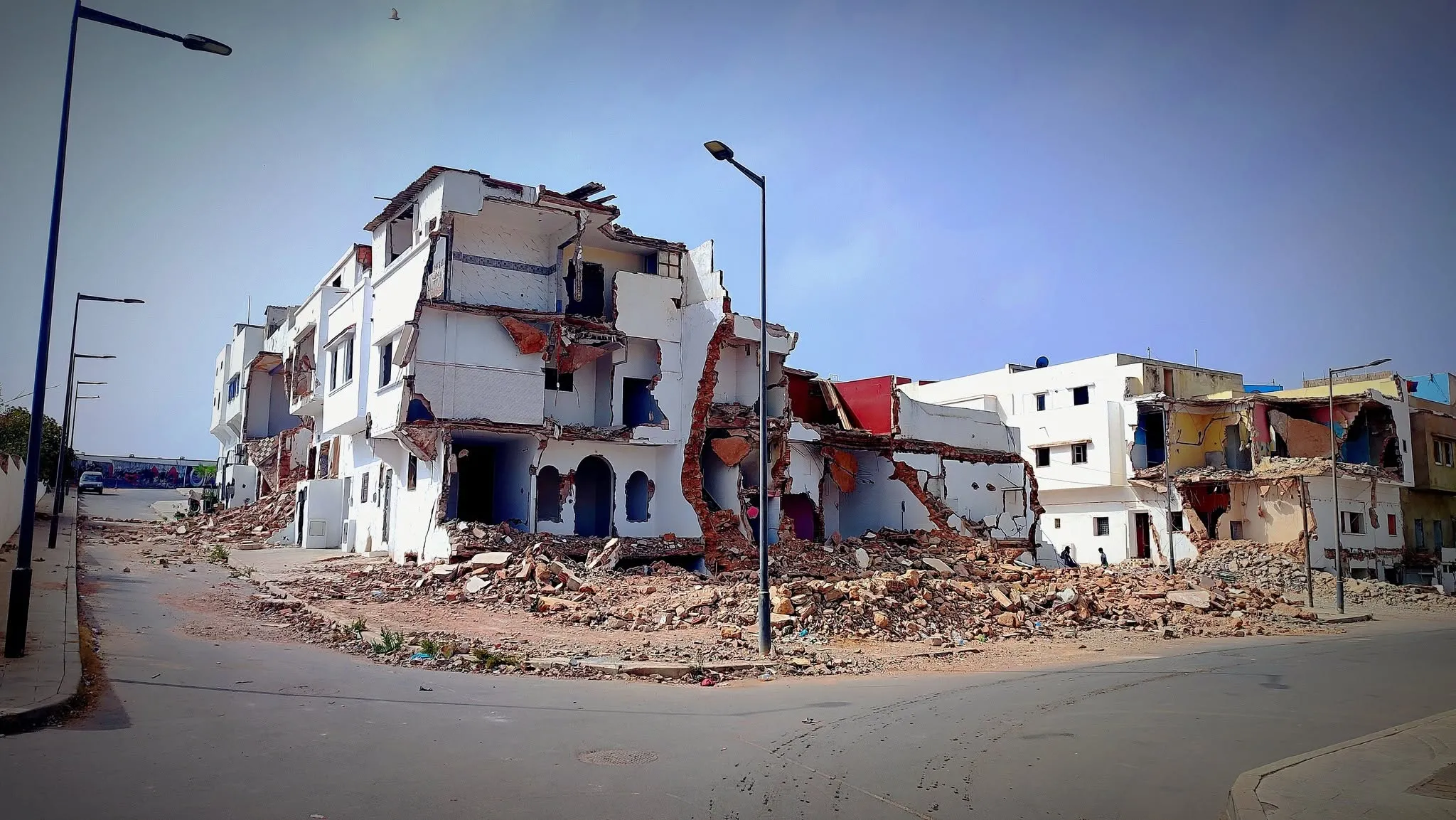

Transforming Urban Landscapes in Morocco
As Morocco gears up for the 2030 World Cup, an extensive urban renovation initiative is underway that transcends the mere construction of stadiums, hotels, and roads. This ambitious project involves the demolition and rehabilitation of significant residential neighborhoods in major cities such as Rabat, Casablanca, and Marrakech. The rapid pace of these transformations is reshaping the urban landscapes of several Moroccan cities, driven by the country's commitment to modernize its infrastructure in preparation for the global sporting event.
In Casablanca, large-scale demolition efforts have targeted historic neighborhoods, particularly those involved in the "Mohammed V Boulevard" project, which aims to connect the city center with the iconic Hassan II Mosque. Areas such as Derb Mouha, Derb Boutouil, Derb Englizi, and Derb Ramad have faced significant changes. Local residents and activists voice concerns that these demolition and redevelopment efforts are primarily motivated by the upcoming World Cup, despite local officials claiming that the project has been in the pipeline for years, with the tournament merely accelerating its execution.
The Social Costs of Urban Renewal
The urban transformations associated with the 2030 World Cup are not solely focused on infrastructure; they also raise critical discussions about the social costs incurred, particularly for families forced to relocate from their long-time homes to new neighborhoods. According to Mohamed Majdoline, a researcher in social economics, the hidden social costs of the World Cup are significant, as thousands of residents find themselves unexpectedly uprooted from their homes due to demolition decisions aimed at reshaping Moroccan cities in anticipation of the global event.
Majdoline highlights that the social repercussions are profound, as families face the dislocation not just from their physical homes but also from their established social networks. The disruption of community ties and the loss of familiar surroundings, including access to schools, markets, and local services, can create a ripple effect that complicates their daily lives. Moreover, the financial compensation offered for relocation often fails to meet the expectations of homeowners, leading many to seek legal recourse or protest for fairer settlements.
While some urban observers argue that these changes present a unique opportunity to accelerate modernization across Moroccan cities, they stress the need for a socially inclusive approach that respects residents' rights and minimizes disruption to their lives. Karim Ayach, a social researcher, emphasizes that the preparations for the World Cup should not merely focus on demolishing buildings but rather serve as a catalyst to address long-standing urban disparities, allowing communities to transition to more sustainable living conditions with adequate infrastructure.
Ayach points out that while urban renewal projects can lead to improved living standards, they must be accompanied by transparent communication with affected communities and fair compensation. He asserts that the overarching goal should not only be to successfully host a global sporting event but also to build modern cities that prioritize the rights of citizens to adequate housing and sustainable development.
As reported by independentarabia.com.