
Morocco's Diplomatic Maneuvers Amid Migration Concerns
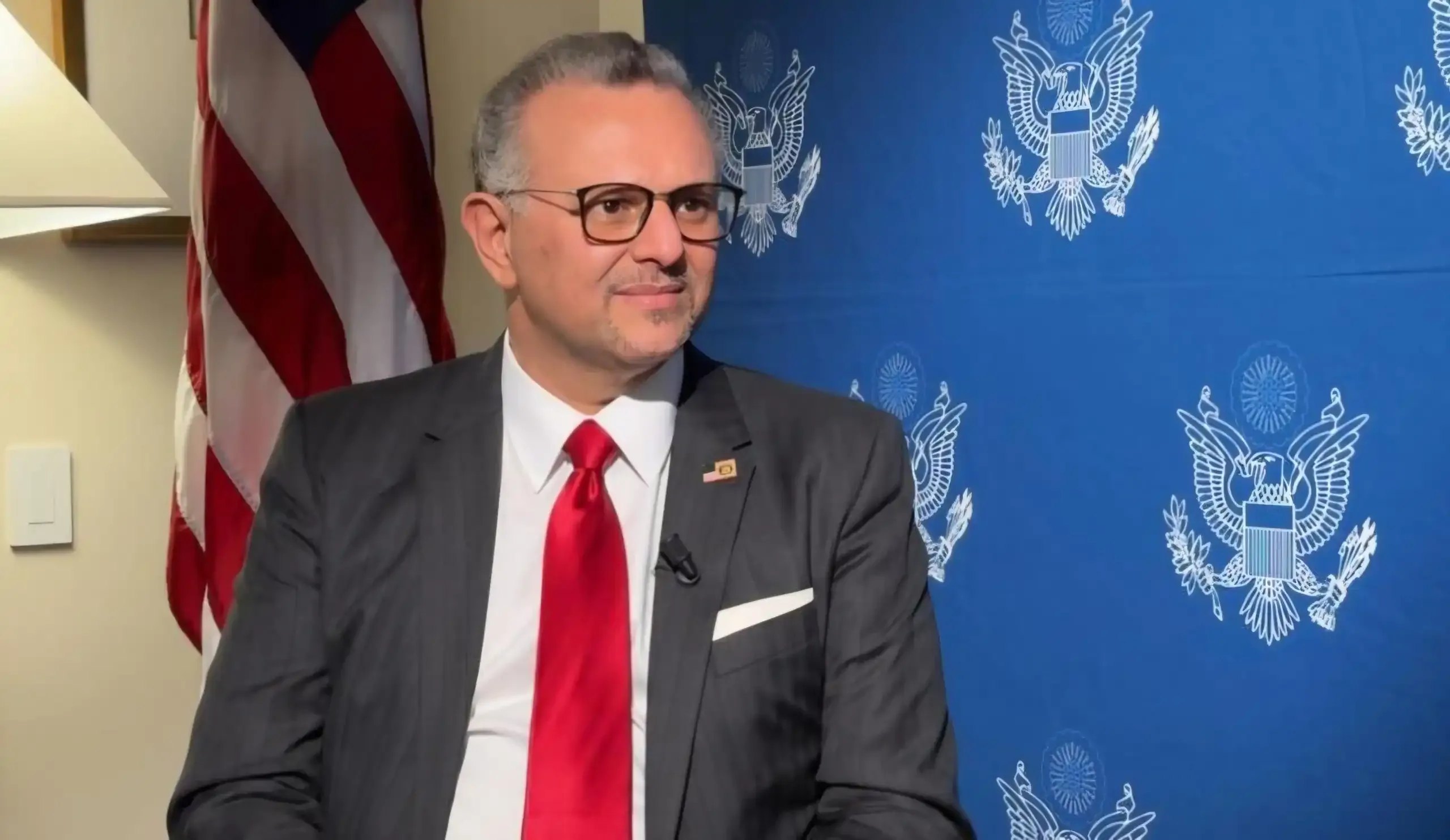
The ongoing migration crisis in Ceuta has escalated tensions between Morocco and Spain, reigniting longstanding diplomatic sensitivities. Recent statements from Moroccan officials have raised alarms in Madrid, particularly as Rabat has accused Spain of complicating the return of migrants while simultaneously questioning the sovereignty of Ceuta and Melilla. This diplomatic tug-of-war has reached a critical juncture, with Morocco leveraging its extradition agreement with Spain as a potential bargaining chip, suggesting a willingness to "suspend" the agreement if necessary. Despite this, Moroccan Justice Minister Abdellatif Ouahbi expressed a desire to collaborate with Spain to devise a comprehensive plan aimed at resolving the pressing migration issues, highlighting the complexities of the bilateral relationship.
Ceuta's Sovereignty at the Forefront of Political Discourse
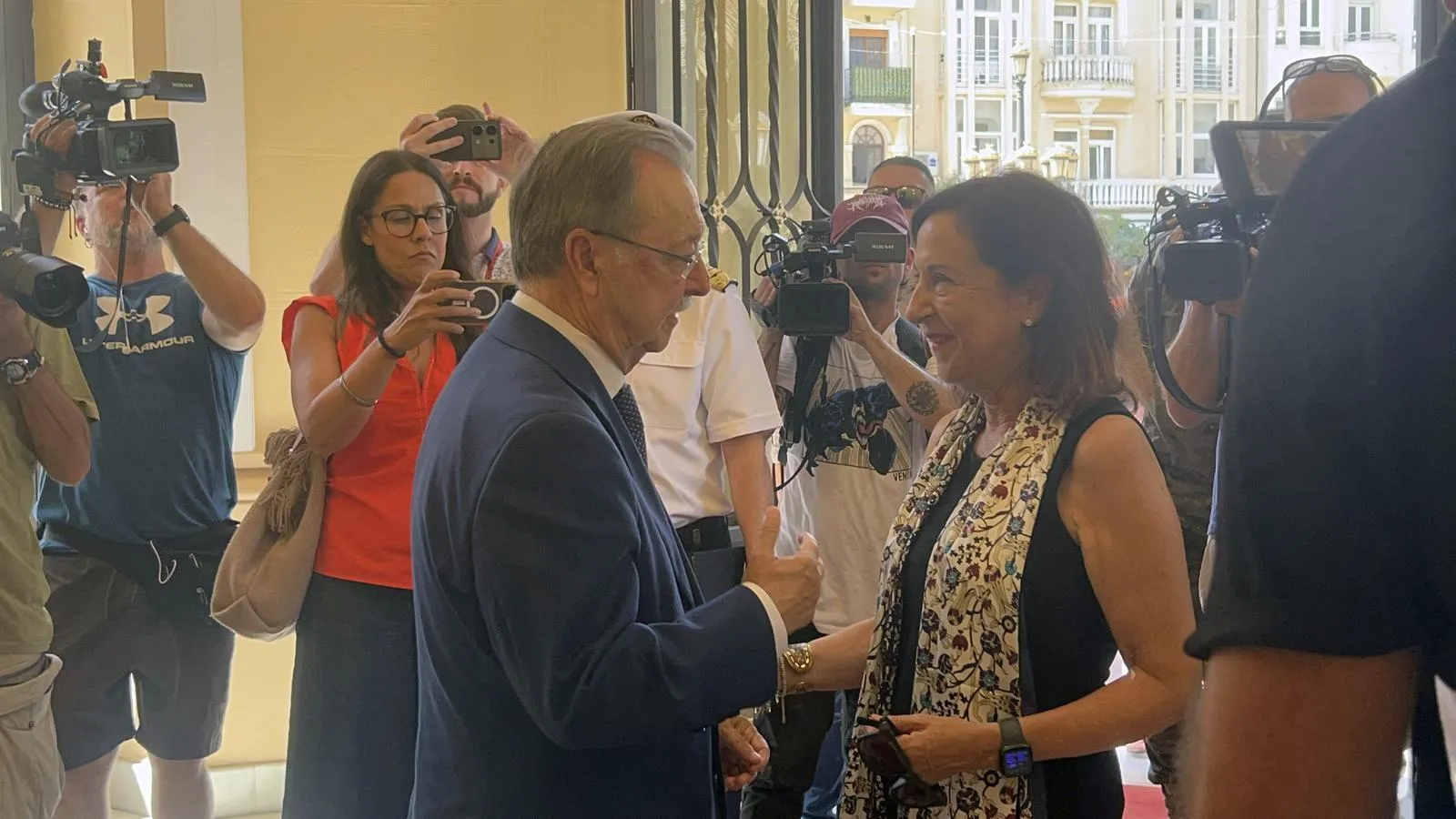
In response to Morocco's assertions, Spanish Defense Minister Margarita Robles has firmly defended Spain's sovereignty over Ceuta, declaring, "Ceuta is very Spanish, and both Ceuta and Melilla are not to be touched." Her remarks come amid rising public concern and political scrutiny regarding the government's handling of the crisis. Robles' visit to Ceuta, characterized by her reassurance to local residents, underscores the urgency of the humanitarian situation, which remains dire as many individuals continue to endure precarious living conditions. Meanwhile, the Spanish government is engaged in internal political disputes, particularly with the opposition Partido Popular (PP), regarding immigration policies and the handling of recent migrant influxes. The PP has called for legal actions to address the government's perceived inadequacies in managing these complex migration dynamics.
As reported by ara.cat.