
Morocco's Commitment to Unaccompanied Minors
Morocco has expressed its readiness to accept all unaccompanied Moroccan minors currently residing in Spain, provided that Spanish authorities eliminate the "judicial and administrative obstacles" hindering this process. A diplomatic source confirmed to EFE and RTVE that the nation has made clear commitments in this regard. The source emphasized that there are directives from King Mohammed VI to facilitate the return of these minors to their homeland. This commitment is not a new development; it was previously outlined in a joint statement by the Interior Ministries of Morocco and Spain back in June 2021. The source reiterated that the identification of these minors is not a barrier to their repatriation, asserting that the real impediments lie within the administrative and, at times, judicial measures in Spain. The existing legislation treats minors specifically, complicating their return or participation in cooperative operations.
Political Concerns and Ongoing Challenges
The Moroccan source has criticized various Spanish media outlets and political actors for framing the issue of unaccompanied minors as if Morocco had failed to fulfill its commitments. This interpretation has been firmly rejected, with the source highlighting that some NGOs advocate for the minors to remain in Spanish care centers, thereby attributing the lack of repatriation to Morocco's unwillingness, which they argue is not the case. The reality, as stated, is that Morocco has always been open to addressing this issue and has maintained a commitment at the highest levels of government. Morocco aims to continue fulfilling its obligations as long as judicial and administrative barriers are removed to allow for smoother cooperation.
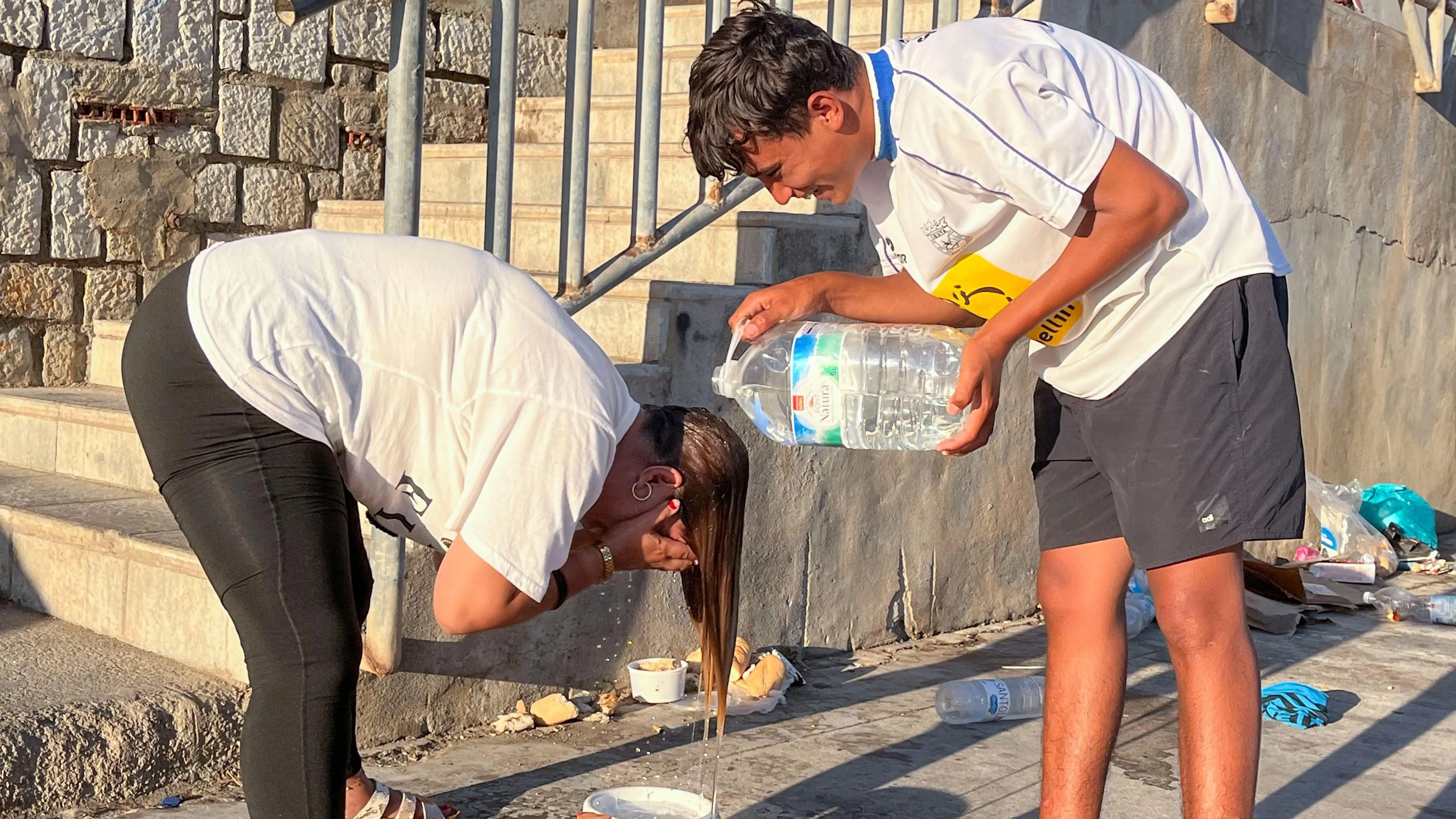
In 2024, Moroccan Foreign Minister Naser Bourita reiterated Rabat's willingness to welcome back its unaccompanied minors from European Union countries, pointing out existing "gaps" in European legislation and procedures as significant obstacles to their return. Bourita urged for solutions to these challenges, which, he noted, could inadvertently aid human trafficking networks. Following a recent surge of migrants crossing the El Tarajal border into Ceuta, thousands of immigrants, including many unaccompanied minors, are still present in the streets, primarily in the peripheral neighborhoods.
During the recent migration crisis, approximately 1,100 minors entered Ceuta irregularly, according to the city’s government. The national police have identified 528 boys and girls who are currently under the administration's care, but due to their status as unaccompanied minors, they cannot be returned to Morocco and must be looked after by the local community. Organizations working directly with these minors have reported collecting information on 2,672 migrant minors in just one day, indicating that there are still hundreds whose status remains untracked.
This influx of children and adolescents occurred amid a massive irregular entry of 72,000 migrants into the autonomous city, which resulted in 80 fatalities. The migration crisis has also escalated into a political issue regarding the "solidarity and binding" redistribution of migrant minors to other autonomous communities, as mandated by a Royal Decree focusing on migration contingency following reforms to the Immigration Law implemented by the Pedro Sánchez government. This reform stipulates a ratio of 32.6 places per 100,000 inhabitants.
After initially opposing the acceptance of migrant minors in territories governed by the Popular Party (PP), particularly in coalition with Vox, the PP has opened up to the idea of a fair, well-resourced, and planned redistribution. However, representatives from Vox in various regions have indicated they will resist using all legal means available to them. On Wednesday, Ceuta's president, Juan Jesús Vivas, stated in an interview with TVE that the current situation in the autonomous city remains one of chaos and unsustainability, urging for "help, assistance, and solidarity" from the rest of Spain to effectively address the ongoing migration crisis following the illegal entry of over 72,000 migrants. Vivas appealed to a "sense of state" and institutional loyalty, emphasizing that Ceuta supports the reform of the immigration law to redistribute minors in a binding and solidarity-based manner across other autonomous communities, stating, "We not only support it but are also implementing it and will continue to do so."
As reported by rtve.es.