Morocco's Renewed Claims on Ceuta and Melilla
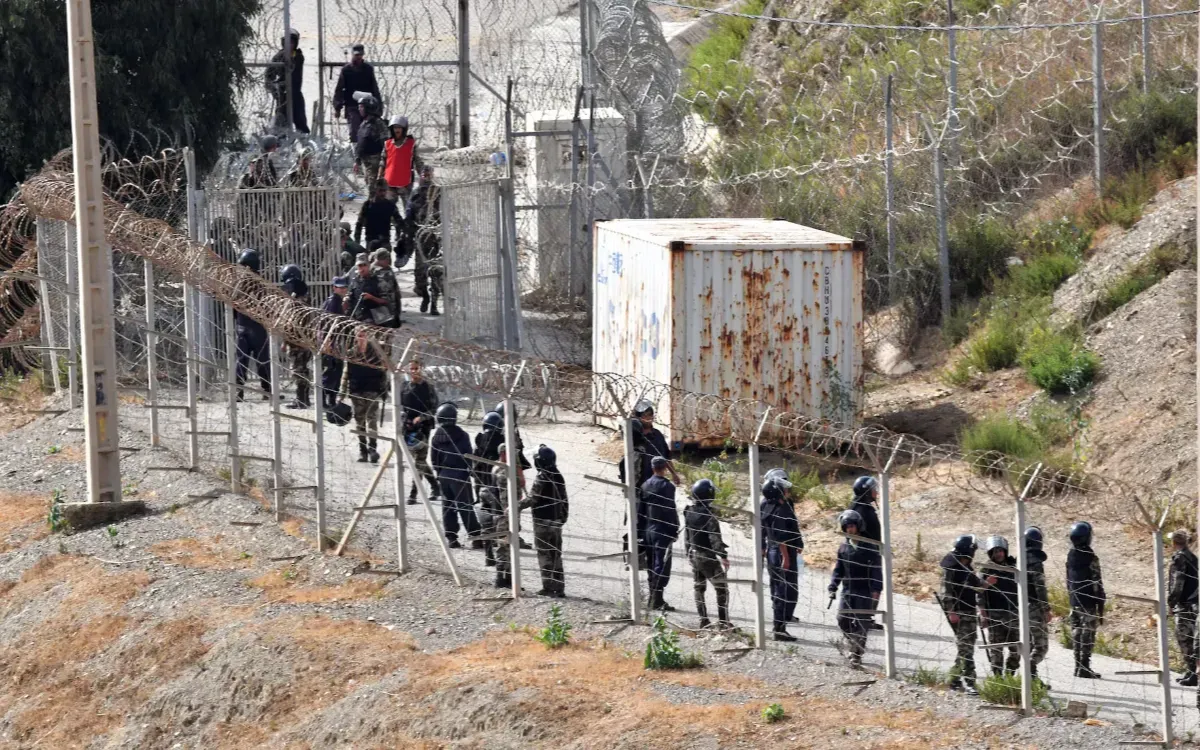
In a significant political development, Ahmed Toufiq, Morocco's Minister for Islamic Affairs, has reiterated the country's claim to the Spanish North African enclaves of Ceuta and Melilla. This assertion follows a massive influx of approximately 80,000 migrants, primarily from Morocco, that overwhelmed Ceuta at the end of July. Minister Toufiq's comments came during a religious celebration attended by King Mohammed VI, Crown Prince Moulay Hassan, and Prime Minister Aziz Akhannouch, where he called for the "liberation" of these two Spanish cities located on Morocco's Mediterranean coast. His sentiments echo those previously expressed by Justice Minister Abdellatif Ouahbi, marking a concerted effort by Moroccan officials to underscore their historical claims on these territories.
Historical Context and Political Implications
During his address at the Eid al-Mawlud celebrations in Rabat, Toufiq referenced two prominent Islamic scholars born in Ceuta before the region came under Spanish control in 1580. He cited Qadi Ayyad, a renowned 11th-century judge, and Imam Al-Jazuli, a significant figure in Moroccan Sufism, illustrating the deep historical ties between Morocco and Ceuta. Spanish media and experts suggest that Morocco's claims serve as a strategic maneuver to exert geopolitical pressure, particularly in light of the recent migration crisis, which has seen Rabat allow significant numbers of migrants to cross into Ceuta without intervention. In response to the crisis, Spain's Interior Minister has announced expedited procedures to repatriate remaining migrants in Ceuta and has introduced a legislative reform aimed at aligning Spanish immigration and asylum laws with European standards. This includes a mandatory triage process for returns, designed to minimize the duration of migrants' stay in detention facilities during repatriation. The political fallout from the migrant surge continues to fuel tensions within Spain, prompting debates over the government's handling of migration and border security.
As reported by exxpress.at.