

On September 17, 2026, Morocco and the African Development Bank (AfDB) signed two significant financing agreements in Rabat, amounting to a total of €405 million. These agreements are set to enhance human capital and modernize the railway infrastructure within the kingdom. The contracts were signed by Fouzi Lekjaa, the Minister Delegate to the Minister of Economy and Finance responsible for the budget, and Ashraf Trassem, the Resident Representative of the AfDB in Morocco. The signing ceremony was attended by Younes Skouri, the Minister of Economic Inclusion, Small Business, Employment, and Skills, as well as Mohamed Rabie Khlie, the Director General of the National Office of Railways.
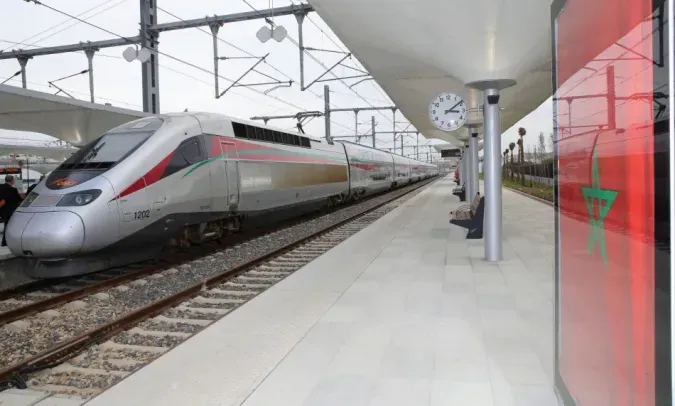
The first loan agreement, valued at €205 million, is aimed at funding the railway infrastructure development project. This initiative will bolster the capacity and operational performance of the strategic rail corridor between Kenitra and Marrakech by extending the high-speed rail line and upgrading the existing rail infrastructure along this vital route. By improving the flow of transport between major economic and urban centers in the kingdom, this project is expected to facilitate more sustainable mobility and better territorial connectivity, thereby enhancing Morocco's logistical competitiveness.
The second agreement, amounting to €200 million, will contribute to financing the "Cap Compétences 2030" program. This outcome-based financing aims to improve the relevance, quality, and diversity of vocational training offerings, particularly through the digitization of services, the launch of widespread educational programs, and improving mechanisms for integrating into the job market. Additionally, the program will facilitate access to diverse training opportunities, thereby enhancing the professional integration of youth and women.
During the event, Mr. Lekjaa emphasized the significant importance of these two projects, noting that the first one aims to serve the top priority of employment by mobilizing all necessary resources to make youth a true driver of value creation. He added that the second project, which has a structural character, pertains to the extension of the high-speed rail line, which represents a "pride" for Morocco, and praised the "exceptional" relationship that binds the kingdom to the AfDB.
Mr. Trassem confirmed that these agreements reflect a shared ambition for preparing a prosperous future for Morocco. He pointed out that developing the skills required by the economy and supporting the extension of the high-speed rail line will contribute to creating more opportunities and jobs, as well as sustainable growth for the country. In this context, the AfDB's Resident Representative in Morocco noted that the kingdom serves as a "reference" for Africa.
Moreover, Mr. Skouri highlighted the importance of the support provided by the AfDB over the next five years, explaining that this financial commitment will accelerate the implementation of the extensive "Cap Compétences 2030" program, which aims to intensively support learning programs targeting 260,000 young individuals without diplomas. He noted that the second phase of this roadmap seeks to broaden the professional integration of this demographic, emphasizing that, by leveraging the National Agency for Employment and Skills, the goal is to meet the labor market's needs through complementary training, particularly via the "Qualification" program.
The minister added that the third pillar of this partnership focuses on the rapid modernization and digitization of support institutions, highlighting that this effort is crucial for improving accessibility to services and facilitating smooth and effective connections between job seekers and companies.
These initiatives align with Morocco's priorities and the "four essential directions" that constitute the strategic vision of the AfDB Group, reflecting a shared commitment to the development of human capital and the modernization of the kingdom's infrastructure. As a historical partner of Morocco, the African development institution has mobilized more than €15 billion since 1978 to finance over 150 projects in key sectors, including human development, water, agriculture, energy, and transport infrastructure.
As reported by maroc.ma.
