Political Landscape and Youth Engagement in Morocco
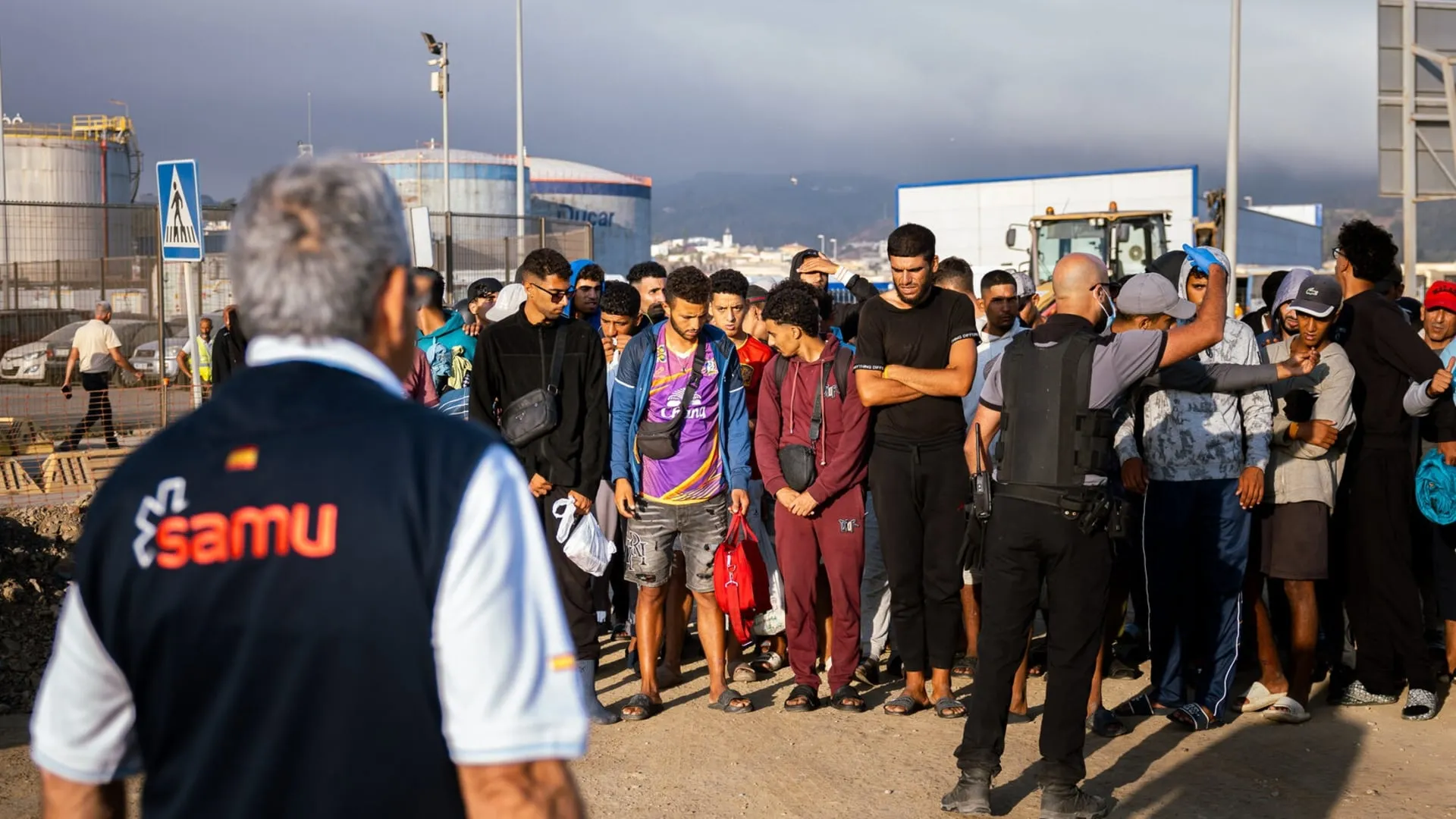
As Morocco approaches its upcoming elections on September 23, 2026, the nation's political parties are intensifying their efforts to attract young voters. Faced with a backdrop of discontent spurred by last year's violent protests and a mass migration attempt to the Spanish enclave of Ceuta, these parties are making bold promises aimed at addressing the pressing issues of unemployment and affordable housing. The unrest highlighted the stark economic divide affecting the youth, especially as recent advancements in sectors like manufacturing and infrastructure have not translated into widespread prosperity for the younger demographic.
This election marks the fourth since the significant political reforms initiated following the Arab Spring in 2011, which led to a power-sharing arrangement between the monarchy and parliament. However, the political landscape has shifted dramatically since the last election five years ago, when a moderate Islamist party was ousted in favor of the National Rally of Independents (RNI) and the Authenticity and Modernity Party (PAM), both of which are now prioritizing youth employment in their campaigns. They have committed to creating approximately one million jobs during the next parliamentary term and announced plans for $20 billion in infrastructure investments, particularly in preparation for Morocco's co-hosting of the 2030 World Cup with Spain and Portugal.
Challenges of Youth Disenchantment and Political Trust
Despite these efforts, political analysts warn that young Moroccans remain skeptical about the promises made by political leaders. A significant portion of the youth population, particularly those aged 18 to 24, feels disconnected from the political process, with only about 3% of this age group registered to vote. A survey by Afrobarometer reveals that a mere one-third of young Moroccans express trust in political institutions, including parliament and the Prime Minister. Many young voters perceive the electoral process as a mere reshuffling of political elites without substantial ideological differences or impactful policy changes. This sentiment is echoed by university students like Mohamed Azzaoui, who expresses disillusionment with the recurrent promises from politicians that have failed to materialize.
The monarchy's overarching control over Morocco's political landscape complicates these dynamics. While political parties vie for influence, they do so within a framework where the monarchy retains significant power over key policy areas, often diminishing the scope of political competition to a battle for alignment with royal objectives rather than a genuine contest of ideas.
Amid these challenges, Morocco's authorities have set ambitious economic goals, aiming to double the country's GDP per capita by 2035 through a comprehensive development model that focuses on diversifying the economy. However, this ambitious agenda has not alleviated the pressing issue of youth unemployment, which stands at around 27%, the highest among all age groups. With one in three young Moroccans neither engaged in work, education, nor training, a significant disconnect between economic performance and public satisfaction remains evident.
As reported by usnews.com.