
Major Financial Boost for Morocco's Railway Infrastructure and Workforce Development
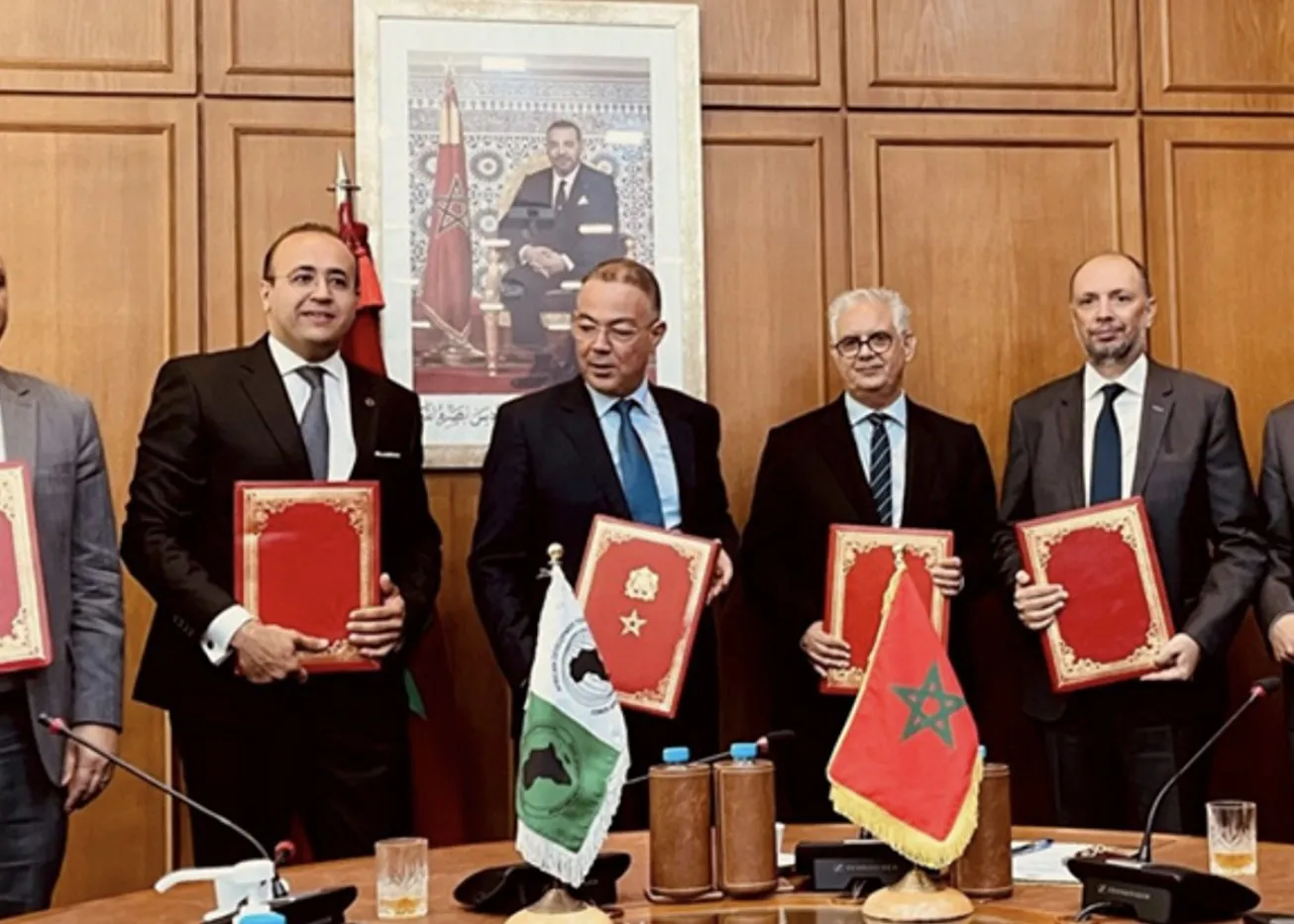
In a significant development for Morocco, the African Development Bank (AfDB) has finalized two financing agreements amounting to €405 million aimed at bolstering the nation’s railway sector and enhancing vocational training programs. This collaborative effort, formalized in Rabat, marks a critical step toward improving the country's transportation infrastructure and addressing the pressing need for skilled labor among its youth.
The first of these agreements provides €205 million specifically for the Railway Infrastructure Development Support Project. This initiative is set to strengthen the vital Kénitra-Marrakech corridor by extending high-speed rail services and upgrading existing railway facilities. Such investments are essential for enhancing the operational capacity of one of Morocco's primary transportation routes, as the country continues to undertake various railway projects to meet growing mobility demands and stimulate economic activity.
Investment in Youth and Professional Training Programs
The second agreement allocates €200 million to the "Cap Compétences 2030" program, which focuses on vocational training, apprenticeship development, and improving labor market access—particularly for young people and women. This initiative aims to support 260,000 underqualified youths through tailored training pathways. The overarching goal is to align the available skills with market demands, thereby offering professional opportunities to those who are usually marginalized from traditional qualification routes.
Achraf Tarsim, the AfDB's country representative in Morocco, expressed optimism that these initiatives will foster job creation and enhance economic prospects for the populace. The financial cooperation between Morocco and the AfDB has a long-established history, dating back several decades. Since 1978, the bank has reportedly mobilized over €15 billion to support more than 150 projects across Morocco, underlining its commitment to the country's development.
As reported by lsi-africa.com.