
Major Investment in Infrastructure and Vocational Training
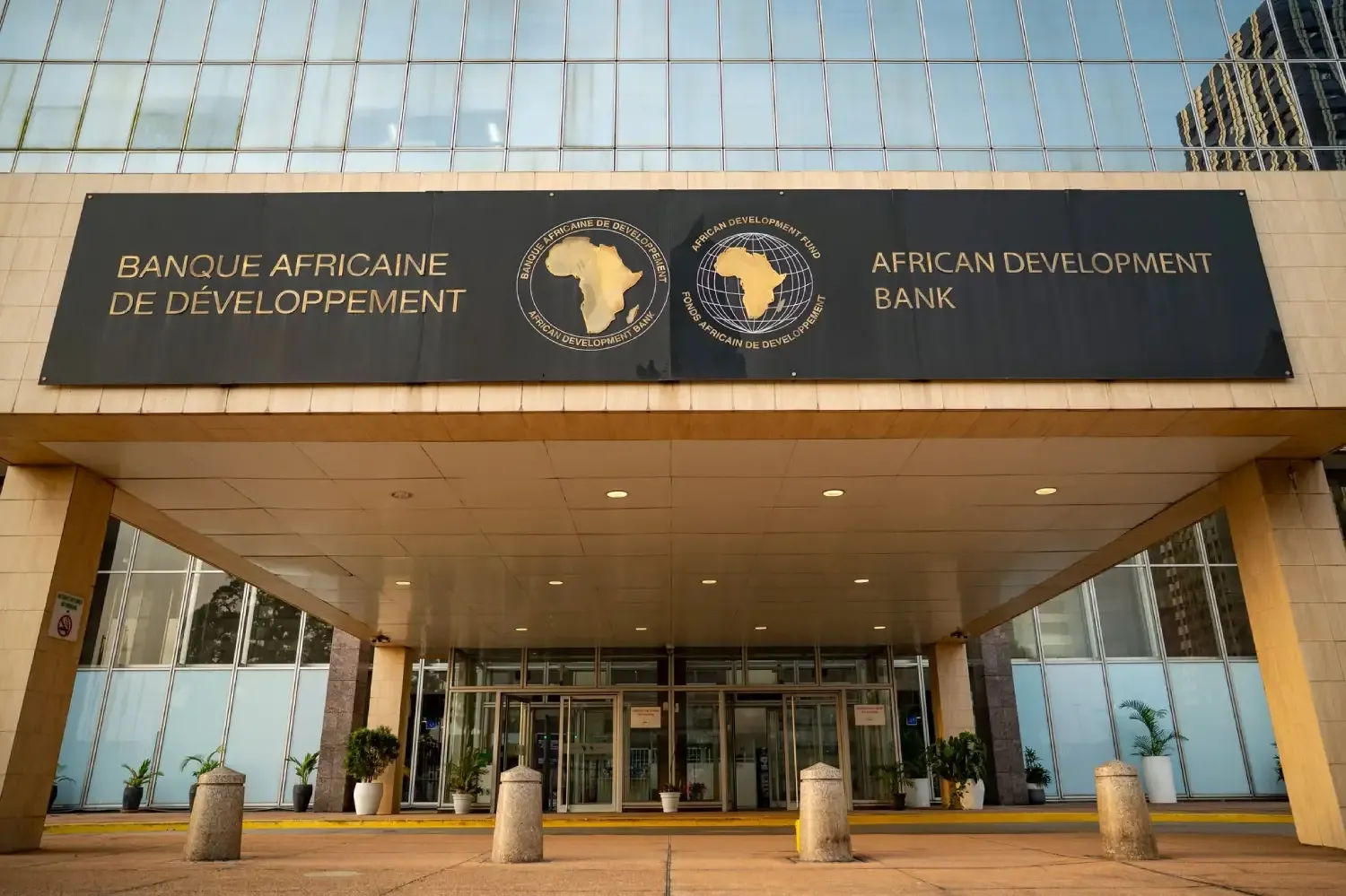
On September 17, Morocco and the African Development Bank (AfDB) made significant strides in enhancing the nation’s infrastructure and workforce development by signing two loan agreements totaling €405 million. Among these funds, €205 million is allocated for the enhancement of the Kenitra-Marrakech rail corridor, while the remaining €200 million will support the Cap Compétences 2030 vocational training initiative.
The rail financing will be directed towards the Railway Infrastructure Development Support Project, which aims to bolster the capacity and performance of the Kenitra-Marrakech axis. This includes extending the high-speed train line and modernizing existing railway infrastructure to improve service efficiency and connectivity.
Meanwhile, the €200 million earmarked for the Cap Compétences 2030 program is designed to diversify vocational training offerings, digitize services, promote apprenticeships, and enhance mechanisms for labor market integration, with a particular focus on empowering youth and women. This initiative reflects Morocco's commitment to equipping its workforce with the necessary skills needed in an evolving job market.
The agreements were signed by Fouzi Lekjaa, the Minister Delegate in Charge of Budget, and Achraf Tarsim, the Country Manager for the African Development Bank in Morocco. The signing ceremony was also attended by Younes Sekkouri, the Minister of Economic Inclusion, Small Business, Employment, and Skills, as well as Mohamed Rabie Khlie, the Director General of the National Office of Railways.
It is noteworthy that the AfDB’s Board of Directors approved the funding for the Cap Compétences 2030 program on May 21, followed by the approval of the railway project on July 8. The signing on September 17 officially converts these approvals into binding loan agreements between the bank and the Kingdom of Morocco.
Since 1978, the African Development Bank has mobilized over €15 billion in Morocco, funding more than 150 projects across various sectors, including transportation, employment, water, agriculture, energy, and human development.
As reported by beninwebtv.com.