
On September 6, 2026, Morocco is actively pursuing a second entry point into the European electricity grid. The Moroccan capital of Rabat and Lisbon are reviving their plans for an interconnection project, although the specifics regarding the direct cable, its route, and its financing are still under discussion. This initiative has drawn attention, particularly from Spanish media, with publications like the Jornal Económico highlighting concerns that this project could enable Morocco to lessen its reliance on Spain for electricity exchanges with Europe.
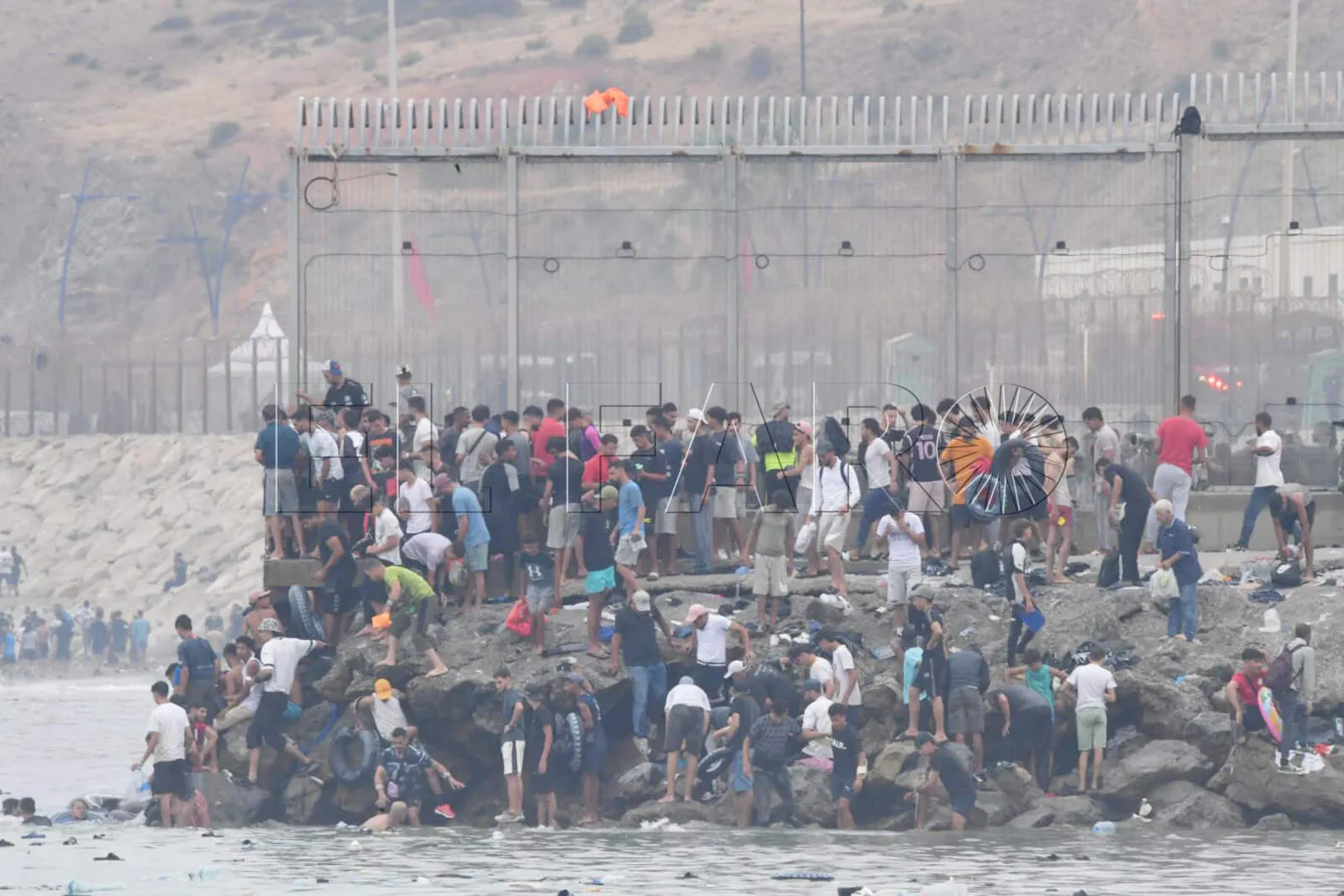
It is essential to note that this development should not be conflated with the recent crisis in Ceuta. The revival of the project was officially announced on July 20 in Lisbon during a meeting between Leila Benali, Morocco’s Minister of Energy Transition, and her Portuguese counterpart, Maria da Graça Carvalho, well before the border incidents occurred.
Currently, Morocco is linked to the European grid via two submarine cables connecting it to Spain, operational since 1997 and 2006. This infrastructure supports bi-directional electricity flow: the commercial capacities reported by Red Eléctrica indicate a capacity of 900 megawatts flowing from Spain to Morocco and 600 megawatts in the opposite direction. Thus, a connection with Portugal would provide an additional route without replacing the existing Spanish lines.
€800 Million Project in the Works
Morocco and Portugal have agreed to request recognition from the European Commission for this interconnection as a significant project for both Europe and Africa. Such a designation could potentially unlock access to European funding. Simultaneously, both nations are looking to engage with network operators, electricity producers, and private investors, as noted by the Portuguese Agency for Trade and Investment.
However, the technical solution for this interconnection remains undecided. The Portuguese government is considering various options, including a direct submarine link, a collaborative framework involving Morocco, Portugal, and Spain, or even participation in a private infrastructure project. As it stands, the project is still under evaluation, and no investment decisions have been finalized.
The estimated cost for this interconnection was around €800 million back in 2018, but this figure is now considered outdated due to changes in material prices, technological advancements, and potential routing options. Portugal has made it clear that this interconnection will only proceed with European funds or private capital to avoid passing costs onto taxpayers and consumers.
This cable would enable Morocco to export its surplus solar and wind electricity to Portugal and import energy during times of increased demand. Minister Leila Benali believes that such bi-directional electricity flow could help lower energy access costs for both populations and businesses in Morocco and Portugal alike. Moreover, this connection would enhance the security of the Portuguese grid, currently linked to the rest of Europe solely through Spain. Following the massive blackout in April 2025, Maria da Graça Carvalho suggested that a connection with Morocco could have expedited power restoration in Portugal. However, no construction timeline has been announced yet, as the project must first be presented in Brussels and discussed at the upcoming Morocco-Portugal summit anticipated in early 2027.
As reported by bladi.net.