Morocco's Commitment to Gulf Security
In a decisive move reflecting its unwavering support for the security and stability of the Gulf Cooperation Council (GCC) states, Morocco has reiterated its commitment in light of escalating regional tensions attributed to what it terms Iranian aggression against Gulf nations. This stance underscores Rabat's belief that the security of the Gulf region transcends mere local concerns, emerging as a vital component of broader Arab stability that warrants collective attention and action.
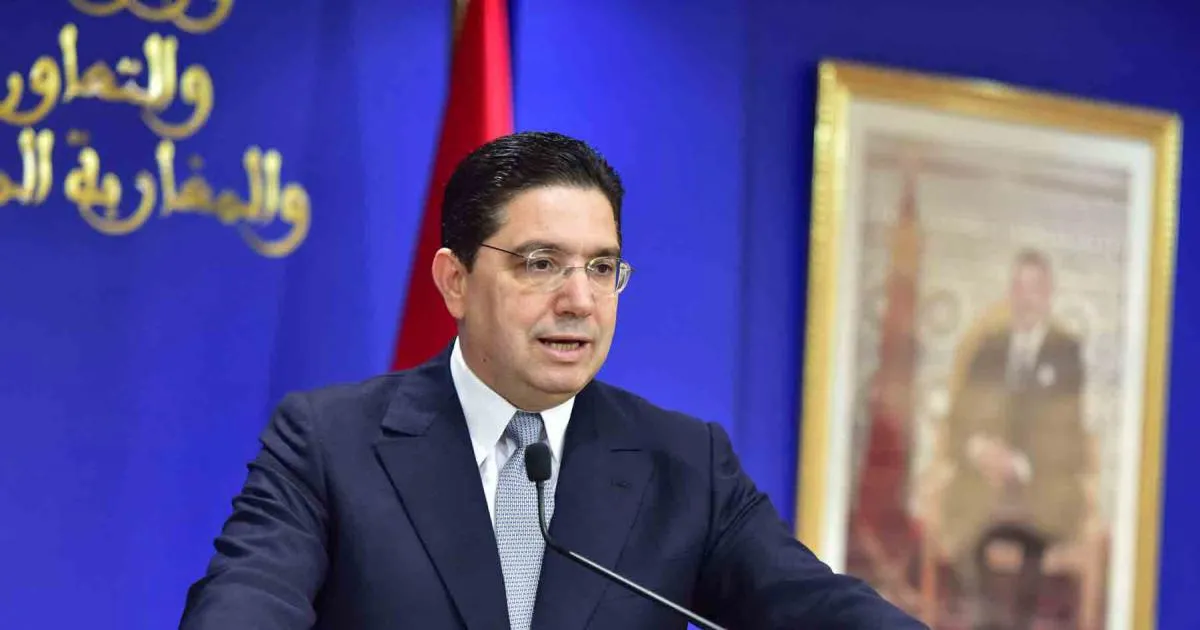
Moroccan Foreign Minister Nasser Bourita articulated this commitment during the eighth joint ministerial meeting between Morocco and the GCC, conducted via videoconference. He emphasized that Morocco stands firmly behind GCC members as they confront what he described as “unjustified Iranian aggression,” asserting that the kingdom is prepared to support its Gulf partners in every initiative aimed at defending sovereignty, ensuring security, and protecting citizens and residents alike. Bourita's comments highlight the evolving nature of Morocco's relationships in the region, characterizing them not just as expressions of political solidarity but as a comprehensive strategic partnership founded on shared interests and mutual challenges.
Strengthening Ties and Strategic Partnerships
The depth of Morocco's commitment was further evidenced through a series of early communications initiated by King Mohammed VI to various Gulf leaders following the Iranian attacks. These interactions were interpreted as significant affirmations of Morocco's solidarity with its allies during critical moments, emphasizing the robust political and personal relationships that bind the Moroccan monarchy to Gulf leadership. Bourita recalled the pivotal Morocco-Gulf summit in 2016, where King Mohammed VI outlined the basis of Morocco's ties to the Gulf as being rooted not only in geographic proximity and cultural affinities but also in shared values and security challenges. This summit catalyzed the institutionalization of Morocco-GCC cooperation, leading to regular ministerial meetings and collaborative action plans.
Morocco has consistently maintained that the security of the Gulf is intrinsically linked to its own national security. In this context, Bourita announced plans to extend the Morocco-GCC joint action plan to cover the period from 2025 to 2030, with a focus on fostering investment, enhancing economic collaboration, and increasing the engagement of the private sector and sovereign wealth funds. This strategic initiative aims to establish a robust foundation for political and security cooperation, particularly in the face of rapid global technological and economic transformations.
The foreign ministers of the GCC expressed their gratitude for Morocco's steadfast position, commending the kingdom for its “fraternal and active solidarity” and recognizing the unique political and personal connections that link King Mohammed VI with Gulf leaders. They posited that Morocco's unwavering support would bolster collective endeavors to promote regional stability and strengthen the strategic partnership between Morocco and the GCC states.
Bourita further elucidated that contemporary notions of national security now encompass not only military and safety concerns but also economic resilience, social stability, and the capability of nations to sustain their populations through crises. This comprehensive approach reflects a broader Arab strategic perspective, wherein energy security, supply chains, and food security are deemed essential for achieving regional stability.
Morocco's assertive stance highlights its dedication to fostering Arab solidarity in the face of regional upheavals, aiming to reinforce its role as a strategic partner in regional security dynamics while advocating for a more cohesive framework of Arab cooperation designed to tackle escalating crises effectively. During the ministerial dialogue, Bourita reiterated Morocco's commitment to a just and enduring resolution of the Palestinian issue, referencing King Mohammed VI's ongoing efforts as chairman of the Al-Quds Committee to galvanize renewed regional and international initiatives aimed at achieving a two-state solution with East Jerusalem serving as the Palestinian capital.
The backdrop of these discussions is marked by the recent US-Israeli strike on Iran, which reportedly resulted in the deaths of prominent Iranian leaders and civilians, including schoolchildren. In retaliation, Iran has targeted US facilities and infrastructure within Gulf nations, intensifying attacks on both civilian and strategic locations. Against this volatile landscape, Morocco's diplomatic outreach and resolute support for the Gulf states signal its determination to safeguard Arab stability and maintain regional security.
As reported by middle-east-online.com.