
The Growing Rivalry Ahead of the 2030 World Cup
As the joint bid to host the 2030 World Cup by Morocco, Spain, and Portugal approaches, it has ignited a notable rivalry, particularly between Morocco and Spain. A recent report from the Spanish newspaper ‘AS’ has brought to light various tensions that could impact this partnership. The article outlines several crises facing Morocco, albeit without presenting substantial evidence to support these claims. It also emphasizes Morocco’s growing influence within FIFA, which could potentially sway critical decisions in this competitive landscape.
The last significant encounter between the Spanish and Moroccan national teams was during the World Cup in Qatar, where Spain faced elimination in the round of 16 after a tense penalty shootout. Despite maintaining cordial relations since that match, it appears a power struggle is emerging, fueled by recent incidents, including anti-Muslim chants in Cornellà that could exacerbate existing tensions.
Morocco's Ambitious Preparations and Challenges
Morocco recently hosted the Africa Cup of Nations, showcasing its modern stadiums and facilities, which are crucial as the country prepares for the World Cup. However, the tournament also revealed organizational shortcomings, particularly concerning the treatment of participating teams, which raised questions about fairness and competitive integrity. The Moroccan Football Federation is determined to host the grand finale at the Hassan II Stadium in Casablanca, which is still under construction, and plans to hold one semi-final at the Moulay Abdellah Stadium in Rabat, renowned for its hosting of the Africa Cup of Nations final.
While the final list of stadiums remains unconfirmed, Morocco is expected to host matches at six venues, whereas Spain will lead with eleven, and Portugal will have three. Amid these preparations, Morocco faces public scrutiny over its priorities, as citizens voice concerns over the allocation of resources to stadiums at the expense of essential services, such as animal welfare and community needs.
In an effort to strengthen its national team, Morocco is actively recruiting players of Moroccan descent born abroad. Notable figures like Ashraf Hakimi and Ibrahim Díaz have already made significant contributions to the Atlas Lions. Recently, discussions have emerged regarding the potential recruitment of Thiago Bitar, an 18-year-old player with Real Madrid, although he appears inclined to represent Spain. This highlights Morocco’s strategic approach to tapping into its diaspora across Europe to enhance its footballing prowess.
The Moroccan Football Federation has accelerated its recruitment efforts, recently announcing the inclusion of six new naturalized players from Belgium and the Netherlands, all under the age of 20, including promising talents like Ryan Bonida. This initiative is seen as a vital step in improving the team's performance ahead of the World Cup.
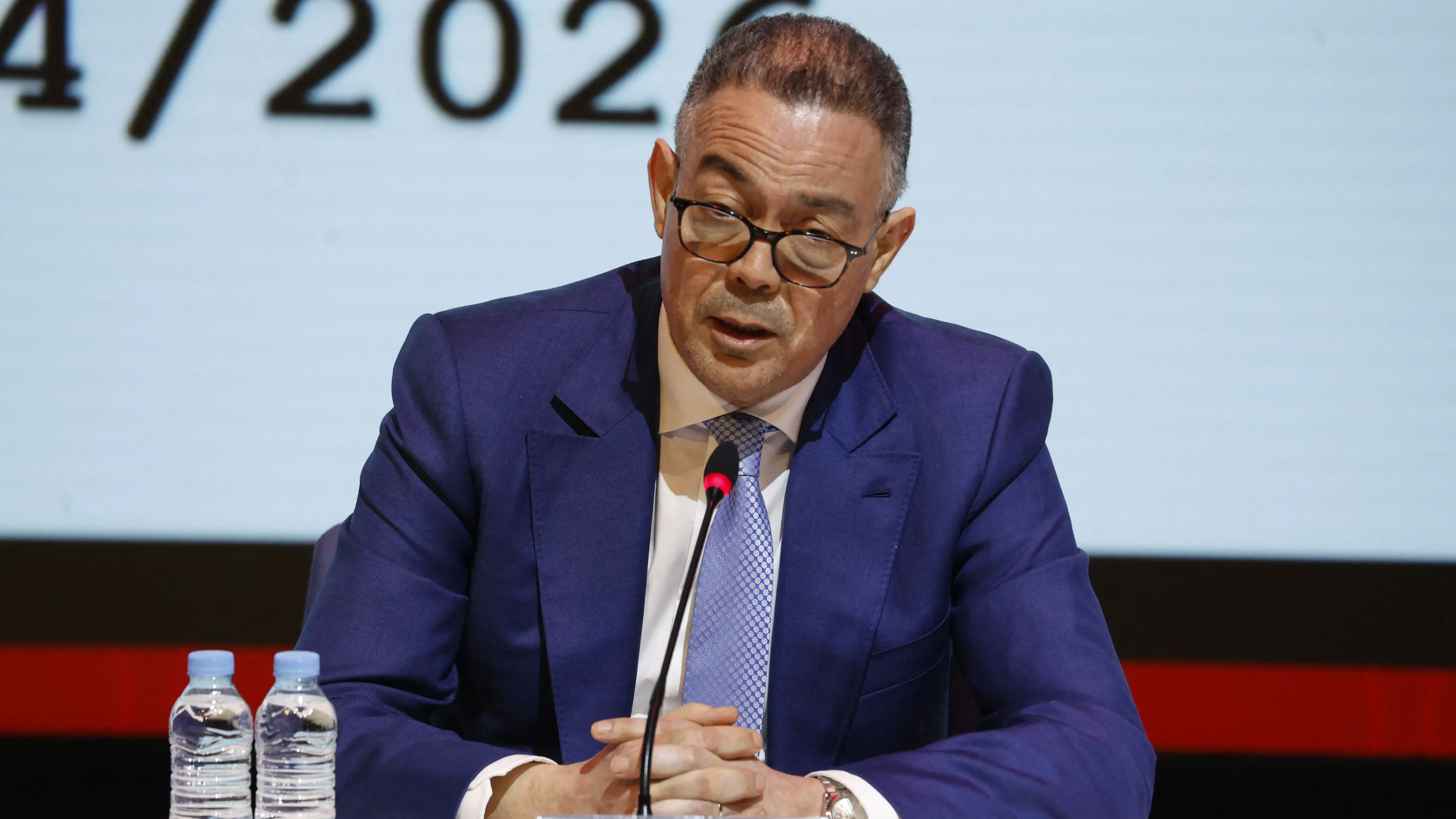
With the Confederation of African Football (CAF) under the leadership of Patrice Motsepe, who has close ties with FIFA, Morocco's influence within the organization continues to grow. Fawzi Lekjaâ, the president of the Moroccan Football Federation, serves as the first vice-president of CAF and has been appointed by King Mohammed VI to lead the 2030 World Cup committee. This influential position places Morocco in a strong position to advocate for its interests as it eyes the potential to host not only the World Cup but also the Africa Cup of Nations final.
Morocco's ambitions extend beyond the 2030 World Cup, as the nation seeks to prove its capability to independently host significant international tournaments, following the success of the recent Club World Cup. Despite stiff competition, the North African country is determined to showcase its potential on the global stage.
As reported by goal.com.