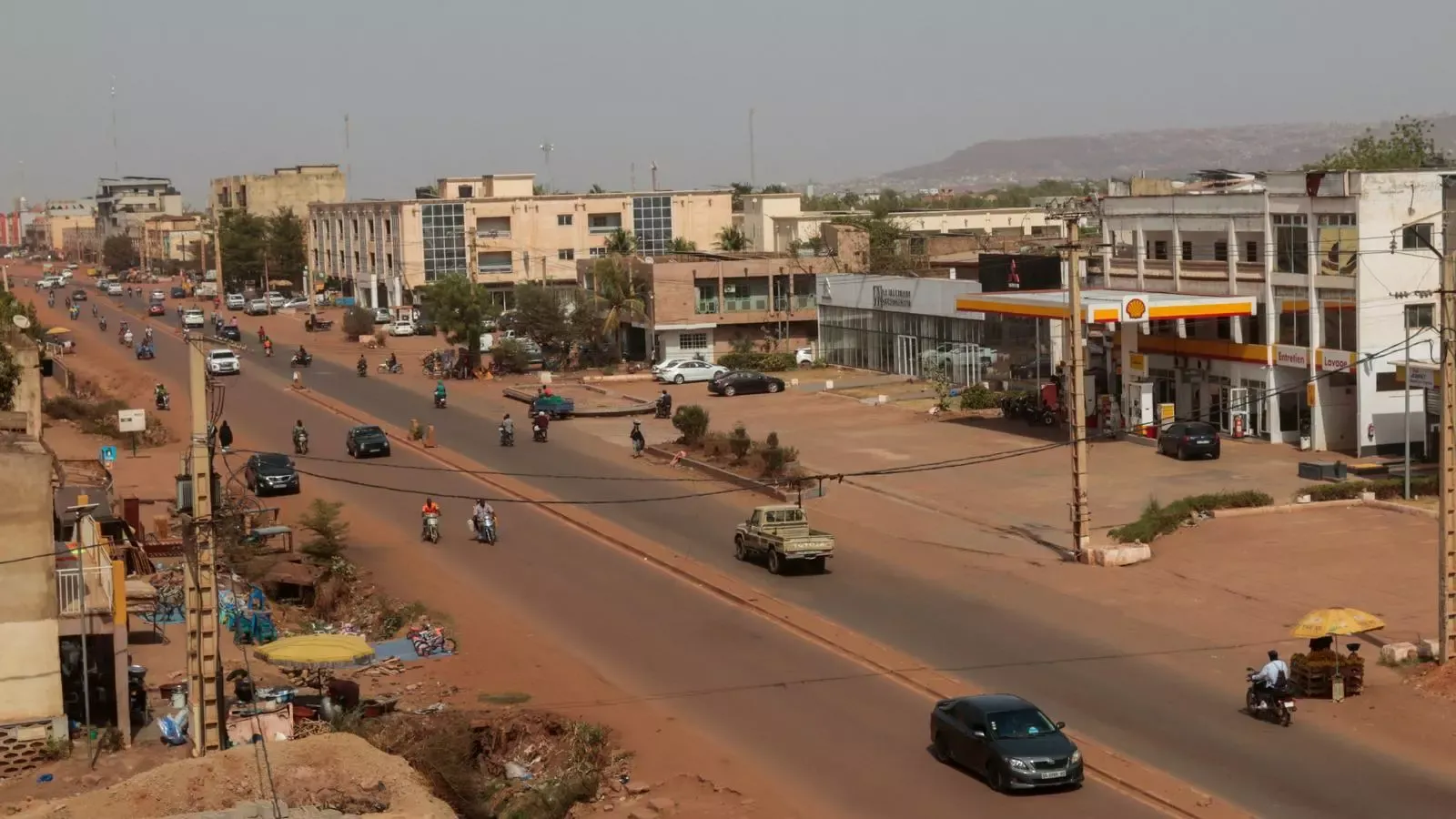
The Moroccan Ministry of Foreign Affairs has issued a strong and unequivocal statement condemning the recent terrorist attacks in Mali, reaffirming its unwavering solidarity with the Malian authorities and populace. The Ministry extends its heartfelt condolences to the families of the victims, emphasizing Morocco's commitment to supporting Mali in these challenging times.
Morocco has consistently raised alarms regarding the escalating threats facing several Sahel countries, particularly Mali, advocating for the strengthening of their governmental institutions to combat terrorist and separatist threats effectively. This commitment is evident in the Atlantic initiative championed by King Mohammed VI, which proposes the use of Morocco’s Atlantic ports to facilitate trade with Sahelian countries. This initiative aims to bolster their economies, enhance employment opportunities, and ultimately promote greater stability and security across the region.
The statement from Nasser Bourita, the Moroccan Foreign Minister, strongly condemns the terrorist attacks that tragically resulted in the death of Mali's Minister of Defense, Sadio Camara. Morocco’s support for Mali extends to its efforts to maintain security, stability, and territorial integrity, aligning with its diplomatic principles that uphold respect for state sovereignty. Morocco rejects all forms of terrorism indiscriminately and denounces any attempts to destabilize or fragment nations, consistently backing national initiatives to ensure security and stability.
For years, Morocco has underscored the dangerous links between terrorist organizations and separatist movements, which exacerbate instability in the region. The recent developments in Mali, particularly the connections between JNIM and factions associated with the National Movement for the Liberation of Azawad, validate Morocco's concerns, indicating that these threats cannot be addressed in isolation. Any collaboration between armed separatism and terrorism poses a significant challenge to security throughout the Sahel.
These attacks occur within a complex regional and diplomatic context, especially following Mali’s recent shift in its stance on strategic issues, including its withdrawal of recognition from the self-proclaimed RASD. The timing of these events necessitates a thorough analysis of the underlying dynamics, particularly concerning those who might exploit the destabilization, including Algeria, as indicated by its recent actions and decisions.
Morocco emphasizes the necessity of a coordinated response against the threats that confront Sahel nations, highlighting the importance of unified action against terrorism and separatist movements. As the situation continues to evolve, Morocco reaffirms its dedication to respecting the sovereignty of states, maintaining that a united front is crucial in combating these pressing issues.
The statement from the Moroccan Ministry of Foreign Affairs serves to realign focus on essential principles, including its clear condemnation of the attacks on Mali and its reaffirmation of support for the Malian state and its institutions. This approach prioritizes principles over controversy, reinforcing Morocco's commitment to upholding state sovereignty and combating terrorism.
In stark contrast to other regional players who often engage in ambiguity and manipulation, Morocco stands firm in its support for sovereignty and the fight against terrorism. The current crisis has revealed a coordinated Algerian information campaign aimed at exploiting the attacks in Mali. Various media outlets, including social media platforms sympathetic to separatist agendas, have attempted to propagate a singular narrative depicting Mali as weakened, characterized by misguided diplomatic decisions and an impending return to chaos.
Algeria’s communication strategies appear less rooted in factual analysis and more in psychological operations, utilizing the spread of rumors and exaggerations to undermine internal confidence within Mali and tarnish the country's international reputation. The burgeoning relationship between Morocco and Mali, coupled with Mali’s acknowledgment of Morocco's sovereignty over the Sahara, marks a strategic setback for the Algerian regime, leading to attempts at geopolitical retribution through the destabilization narrative.
Some media have also attempted to draw parallels between the Azawad issue and the Moroccan Sahara; however, this comparison is misleading. The Moroccan Sahara is part of an international movement toward a credible political solution centered on autonomy under Moroccan jurisdiction, while the situation in Mali involves an internal conflict interwoven with armed violence and terrorism.
Attacks targeting Mali’s allies, notably Morocco and the United Arab Emirates, aim to isolate Bamako due to the significance of these alliances in disrupting regional stability. Morocco's stance in Africa remains resolute, advocating for collaboration among states against terrorism and separatist agendas, which threaten to instigate division and fragmentation, supported by external forces seeking instability in the Sahel.
Mali represents not only a security crisis but also exemplifies the methods employed for regional destabilization, further underscoring the necessity for cohesive action and support among Mediterranean and Atlantic leaders striving for communication, understanding, and cultural exchange.
As reported by atalayar.com.