
Morocco's Growing Dependence on Russian Animal Feed
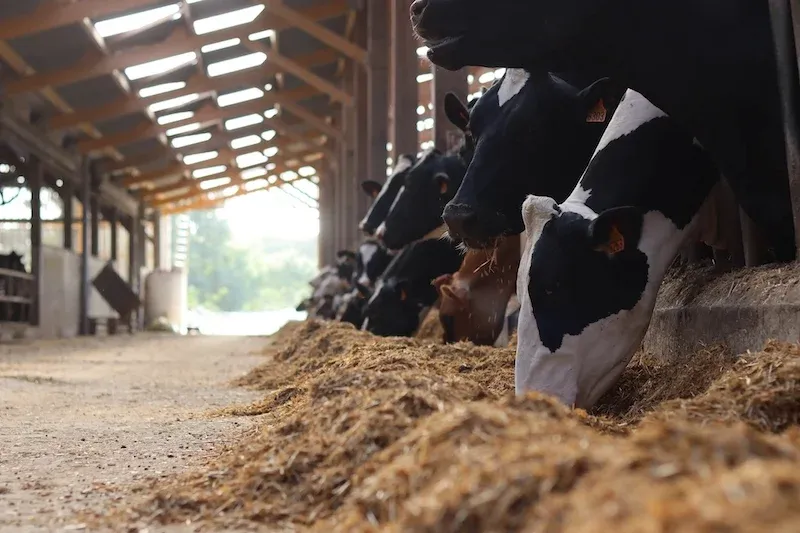
In recent months, Morocco has significantly increased its imports of animal feed and additives from Russia, with over 23,000 tons received from the Voronezh region alone between January and July 10 of this year. This information was disclosed by the Russian Federal Service for Veterinary and Phytosanitary Surveillance, also known as Rosselkhoznadzor. The Voronezh region has been active in exporting not only animal feed but also a variety of animal products to approximately 25 countries worldwide. This includes over 16,000 live pigs sent to Georgia and 3,700 tons of dairy products dispatched to Azerbaijan, along with additional shipments to China, Vietnam, and other nations.
According to Rosselkhoznadzor, dairy products and animal feeds have constituted the bulk of exports from Voronezh for several years, and this upward trend continues into the current year. Specifically, exports of animal feed have surpassed 45,300 tons, with Belarus and Morocco emerging as the leading importers of these shipments. The Russian veterinary authority assures that all exported goods have undergone thorough inspections by Russian experts to ensure they meet the strict requirements and standards of the importing countries.
Increased Demand Driven by Domestic Production
Data from the Federal Center for Agricultural Product Export Development, known as Agroexport and operating under the Russian Ministry of Agriculture, reveals that from January to May of this year, Morocco imported around 87,000 tons of agricultural feeds, including sunflower seeds and soybeans. This represents an approximate 27% annual increase compared to the same period last year. The rise in Moroccan demand for Russian animal feed is attributed to the country's growing production of milk and meat.
The Russian center noted that Moroccan suppliers have significantly ramped up their orders for Russian sunflower seeds—by about 1.6 times—and soybean seeds—by five times. This dynamic in exports to Morocco presents a valuable opportunity for Russian suppliers to enhance their presence in the North African market while outpacing competitors such as Ukraine and the European Union.
As reported by hespress.com.