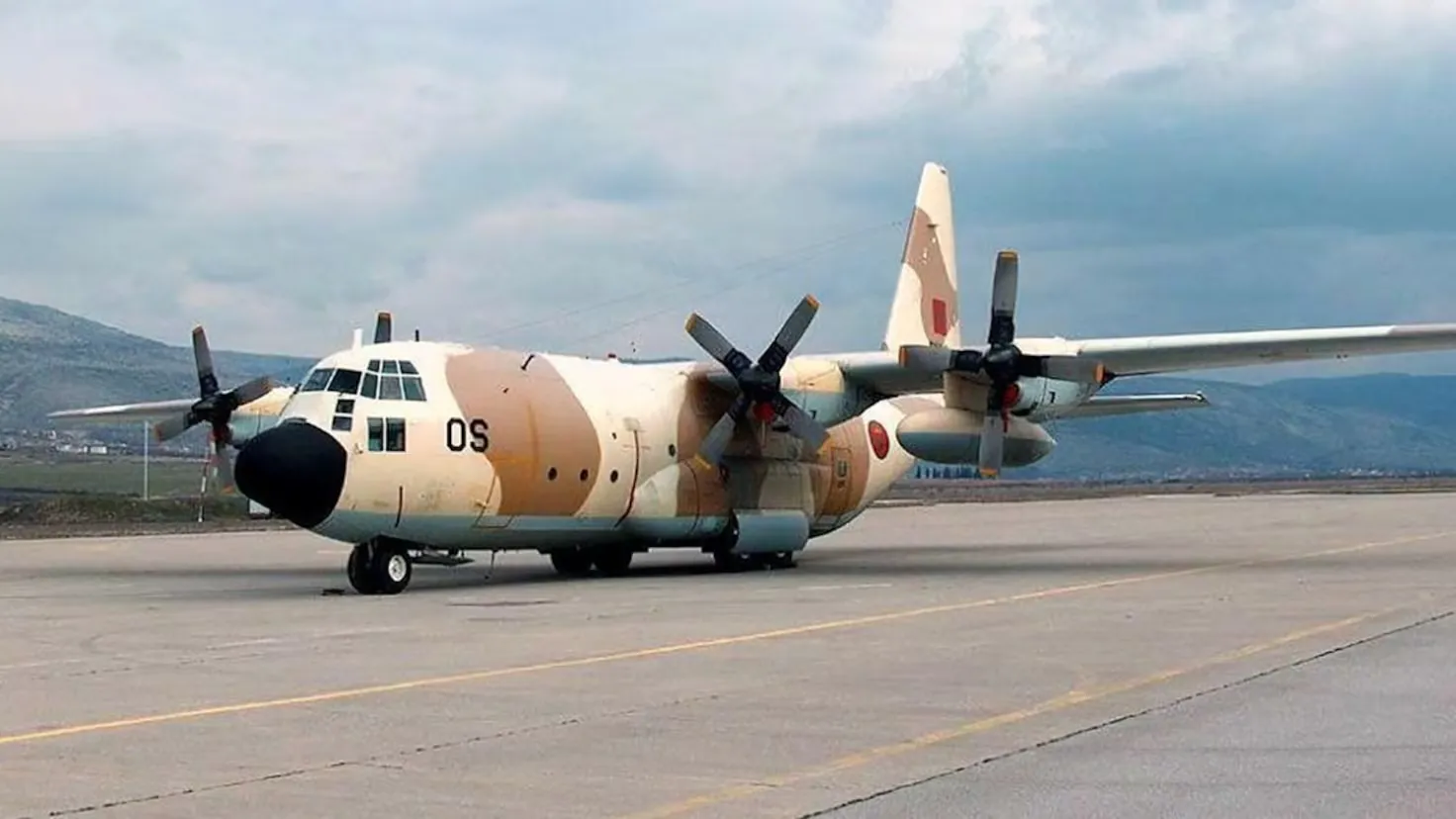

Morocco Partners with the U.S. for C-130 Military Transport Modernization
Morocco is entering a pivotal phase in the modernization of its military transport capabilities by collaborating closely with the United States. This partnership aims to upgrade the C-130 aircraft used by the Royal Moroccan Air Force, incorporating advanced technologies designed to adapt to the current operational environments. The modernization process will enhance the efficiency and longevity of these aircraft, ensuring they remain effective for decades to come.
Historically, the military relationship between the United States and Morocco is one of the most robust on the African continent, covering areas such as defense, intelligence, military training, and arms procurement. Notably, Morocco was among the first nations to recognize U.S. independence, establishing a longstanding camaraderie that has evolved over time. The annual military exercise known as African Lion exemplifies the strengths of this partnership, highlighting Morocco's strategic importance as a key ally for the U.S. in the region.
The modernization initiative for the C-130 fleet is particularly significant, as it reflects Morocco's commitment to enhancing its military capabilities. The first aircraft involved in this modernization is currently at L3Harris facilities in Waco, Texas, undergoing final inspections. With a multi-year contract awarded in July 2025, the program is now transitioning into its execution phase, which is expected to maintain the operational readiness of these aircraft while extending their service life. Subsequent aircraft are slated for delivery, with the second expected in the fall of this year and the third anticipated by late 2026.
According to information from L3Harris, the modernization program encompasses more than just cockpit instrument replacements. It includes comprehensive modifications to the aircraft, depot-level maintenance, engine overhauls, and logistical support. This holistic approach aims to maximize the time these aircraft spend in the air conducting missions rather than undergoing maintenance, thereby ensuring their operational capabilities far exceed their originally intended lifespan.
As reported by as.com.