
Innovative Approaches to Water Security in Morocco
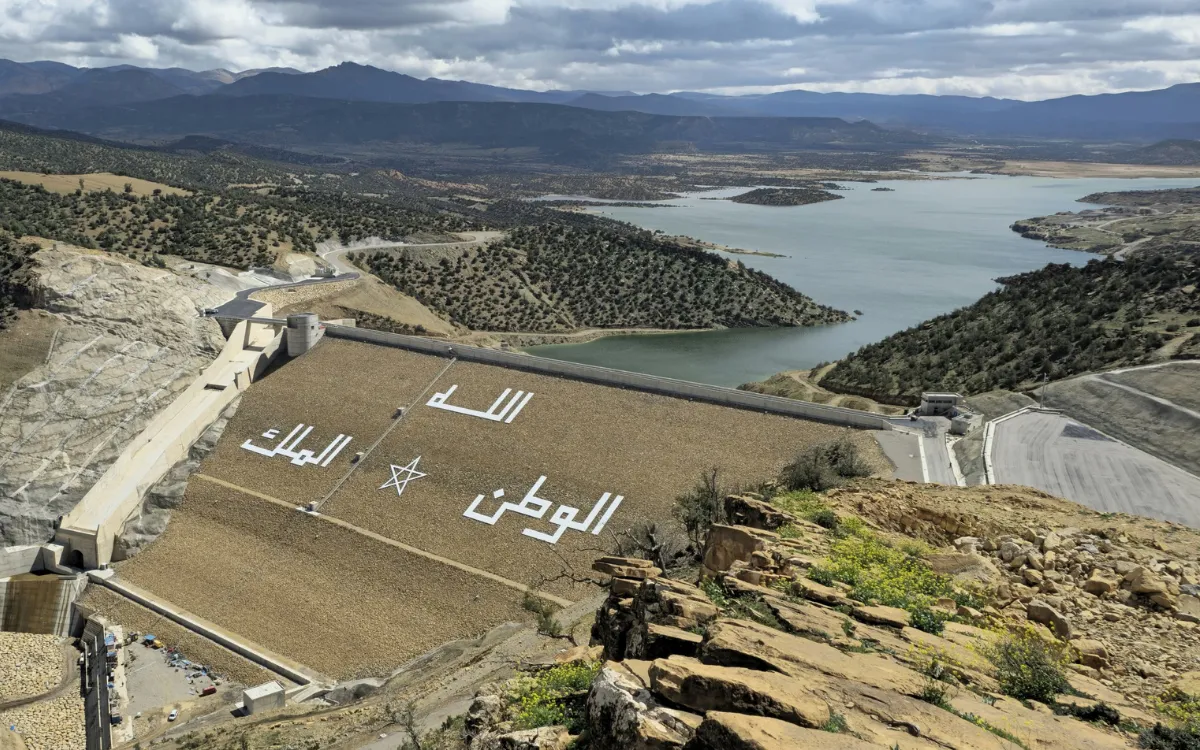
In response to the pressing challenges posed by climate change and recurring droughts, Morocco has initiated a transformative water policy that adopts a more holistic and proactive approach. This strategy focuses on diversifying water sources and enhancing the national system's capacity to cope with water stress. Under the visionary leadership of His Majesty King Mohammed VI, the country has embarked on a series of structural projects that integrate the construction of dams, the desalination of seawater, inter-basin connectivity, and the reuse of treated wastewater, all while promoting efficient water consumption.
This comprehensive approach aims not only to address the immediate constraints of water scarcity but also to establish a sustainable framework that secures water resources for the long term. Dr. Fouad Zahraoui, a specialist in environmental science and sustainable development, emphasized that the National Drinking Water Supply and Irrigation Program for the period 2020-2027 is a cornerstone of this vision, focusing on ensuring reliable access to potable water and maintaining irrigation supplies across various regions of the kingdom.
Expanding Non-Traditional Water Resources
As Morocco continues to build and complete major and medium-sized dams, it is also enhancing its reliance on non-traditional water resources, particularly through seawater desalination. Zahraoui notes that desalination has become a strategic pillar for strengthening water security and reducing dependence on rainfall-dependent resources by developing plants along the Atlantic and Mediterranean coasts.
Furthermore, projects aimed at connecting water basins represent a critical component of the national water policy, facilitating the transfer of water between regions based on resource availability and demand. A notable initiative is the interconnection project between the Sebou and Abou Raqraq basins, designed to foster water solidarity among regions and improve the national distribution of available resources, while also pursuing the development of additional inter-basin connectivity projects.
The national strategy does not solely focus on mobilizing additional resources but also encompasses improving water demand management. In this regard, components such as promoting water consumption efficiency, modernizing distribution networks, and adopting water-efficient irrigation technologies play a critical role in ensuring resource sustainability, particularly in the agricultural sector, while also minimizing water loss and enhancing usage efficiency.
Morocco is also advancing the reuse of treated wastewater as a non-traditional resource that alleviates pressure on conventional water supplies. This treated water is utilized for irrigating gardens, green spaces, and golf courses, in addition to various agricultural and industrial applications under established regulations. This approach allows for the redirection of treated water toward alternative uses, thus preserving potable water resources and maintaining reservoir levels and aquifers.
Recent data indicates a significant increase in the number of wastewater treatment plants in Morocco, rising from 135 plants in 2018 to 201 in 2024, including marine discharge facilities. The urban wastewater treatment rate has reached 58 percent. This progress is complemented by efforts to expand reuse initiatives across several cities and sectors, as part of the National Joint Liquid Sanitation Program.
These integrated initiatives are part of a broader trajectory through which Morocco continues to develop a more diverse and sustainable water system that combines the mobilization of both traditional and non-traditional resources while enhancing water use efficiency. This strategy not only strengthens water security but also supports the continuity of economic and social development in the face of climate change challenges.
As reported by maadialna.ma.