
Morocco is swiftly establishing itself as the fastest-growing aerospace manufacturing hub in the Mediterranean region, attracting consistent investment from global industry leaders who are in search of cost efficiencies, resilient supply chains, and proximity to European markets. The North African nation has already claimed the title of Africa's premier aerospace manufacturing center, having transformed its aerospace sector over the last twenty years into a fundamental pillar of industrial development. Currently, over 150 aerospace companies operate within its borders, collectively generating approximately $2.6 billion to $3 billion in annual exports.
The burgeoning demand for aerospace manufacturing capabilities has led to a situation where the available space at Morocco's primary aerospace industrial hub in Nouaceur, near Casablanca, is nearing saturation. This dedicated industrial zone, which spans 128 hectares, is becoming increasingly competitive as global manufacturers vie for operational space. Industry officials report that project pipelines are currently surging beyond typical levels, fueled by new high-value investments in areas such as engine assembly and the production of advanced components. This influx of interest from investors highlights Morocco's evolving stature as a strategic manufacturing base for the global aerospace industry.
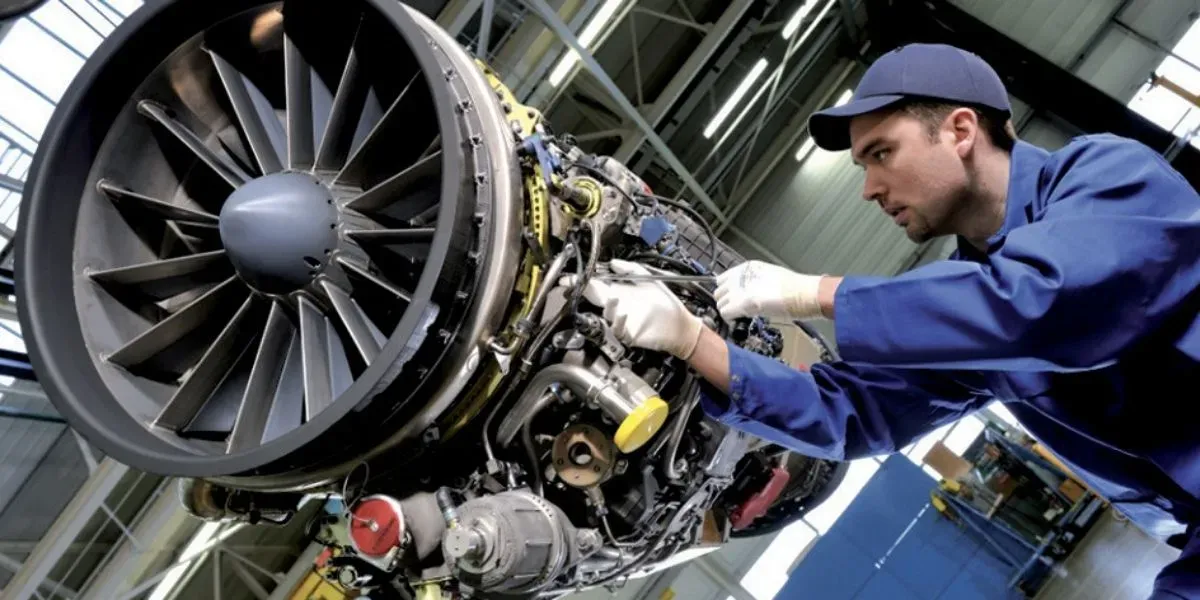
Recently, notable projects have emerged from French aerospace conglomerate Safran, which has expanded its presence in Morocco with significant initiatives near Casablanca. These include an aircraft engine assembly and maintenance complex, alongside a €280 million landing gear manufacturing facility. Such projects are introducing advanced industrial capabilities to Morocco, including the production of engines and critical aircraft systems that have historically been centralized in Europe.
Additionally, US aerospace giant Boeing is reinforcing its commitment to the region by collaborating with Moroccan partners to enhance component manufacturing and develop new engineering and production capabilities. Boeing's long-term strategy is focused on establishing a fully integrated supplier ecosystem within Morocco, further solidifying the country's growing influence in the aerospace sector.
Analysts point out that Morocco's increasing attractiveness as a manufacturing hub is attributed to a unique combination of structural advantages that few competitors in the Mediterranean can rival. The nation boasts a well-qualified and increasingly specialized workforce, bolstered by dedicated training institutes that adhere to international aerospace standards. The aerospace sector in Morocco employs tens of thousands of individuals, with a notable increase in engineering and technical roles. Moreover, the country provides modern industrial infrastructure and logistics connectivity, including specialized aerospace zones and efficient export platforms that are connected to major ports and airports, enabling seamless integration into global supply chains.
Furthermore, Morocco benefits significantly from an extensive network of free trade agreements (FTAs), which afford preferential access to crucial markets such as the European Union and the United States. This strategic advantage allows companies operating in Morocco to optimize their production processes and streamline their export operations. Geographically, Morocco is located just hours away from Europe, making it an appealing nearshoring destination for manufacturers looking to relocate production while maintaining close ties with core markets.
As reported by northafricapost.com.