
Morocco's Emerging Role as a Strategic Partner
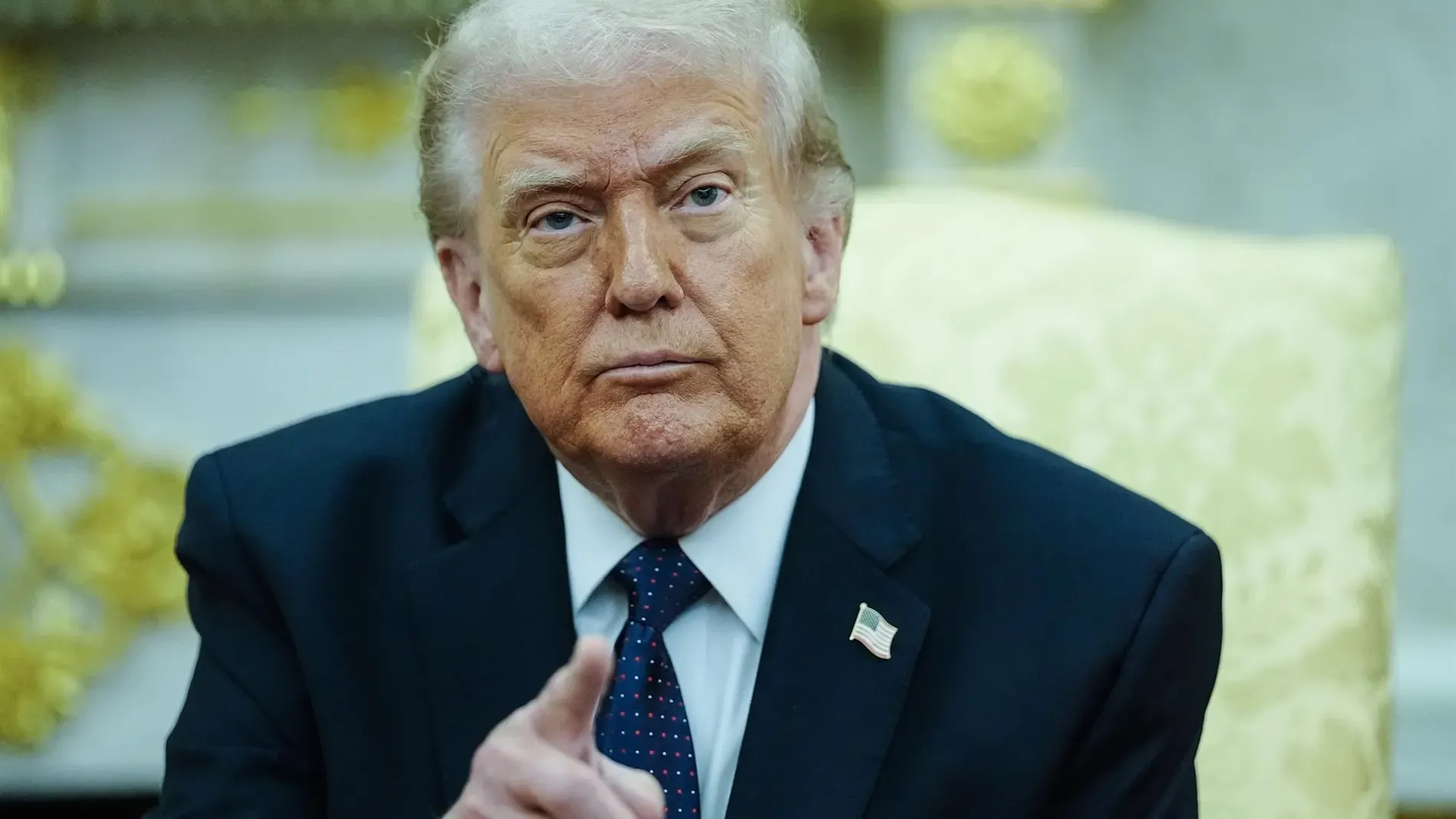
In recent developments, Morocco has firmly established itself as the primary ally of the United States and Israel in North Africa. Former U.S. President Donald Trump has hinted at relocating American military forces from Rota and Morón to Morocco, aligning with Republican Senator Lindsey Graham’s sentiments against maintaining bases in countries that restrict their use. Moreover, Michael Rubin, a former high-ranking Pentagon official, has called on both Trump and Senator Marco Rubio to recognize Ceuta and Melilla as Moroccan-occupied territories. While such recognition is unlikely to materialize, it highlights a growing preference for Morocco over Spain under Prime Minister Sánchez in the realm of international relations. The longstanding U.S. inclination towards Morocco is well-documented; declassified American documents reveal that Vernon Walters, a diplomat and former CIA deputy director, maintained cordial relations with Spain but had even closer ties with King Hassan II, whom he supported during the Green March and the subsequent transition of Western Sahara to Moroccan control.
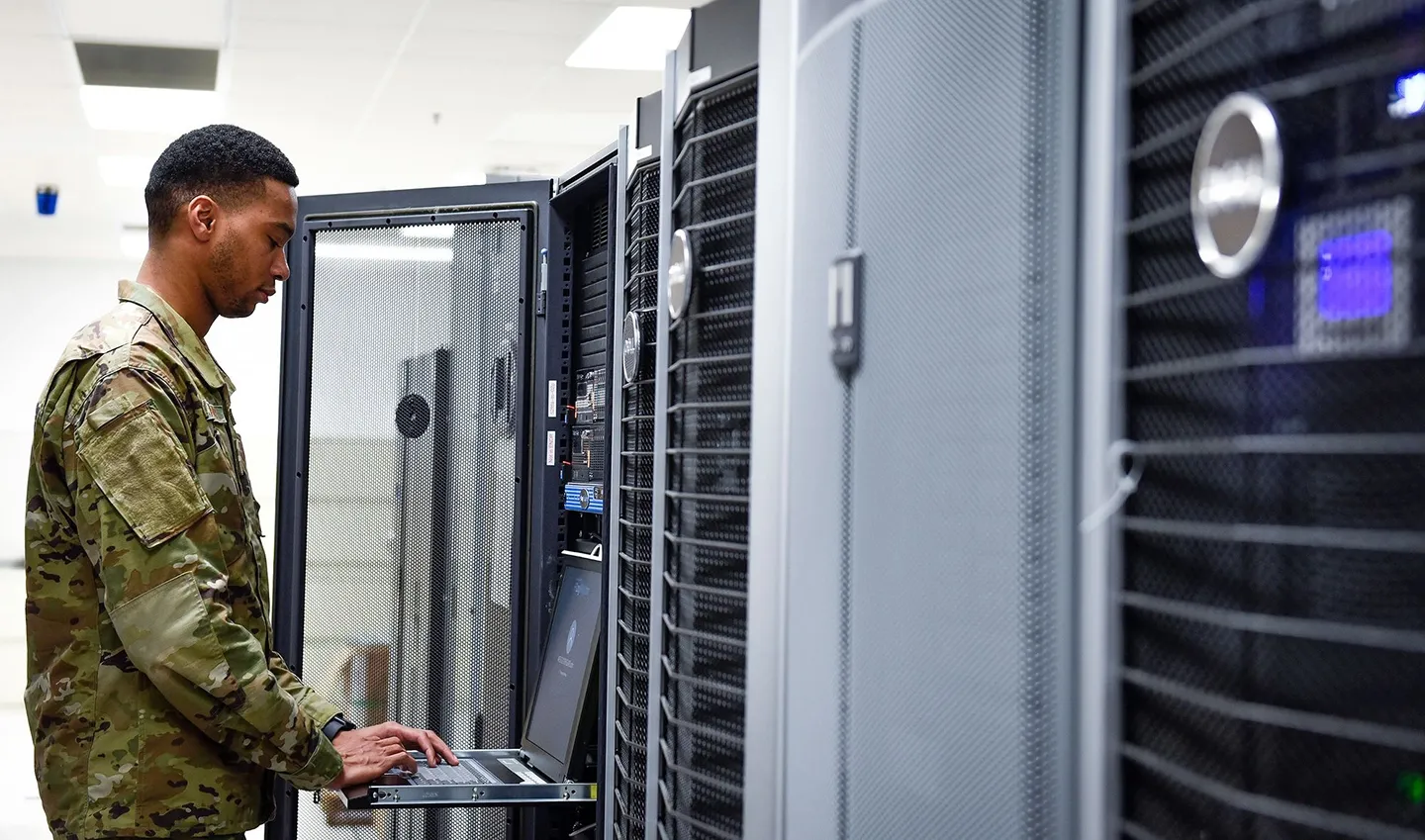
Former Minister José Manuel Otero Novas recalled the clear message sent by the U.S. during Spain's NATO accession 40 years ago: either Spain joined NATO, or it risked losing the Canary Islands to Moroccan influence. More recently, ex-Minister Federico Trillo recounted the Pentagon's involvement during the Perejil crisis, asserting that the U.S. informed the Moroccan king about Spain's intended military operation, offering negotiations that would include the transfer of the Chafarinas Islands and the Peñón de Vélez de la Gomera to Morocco. Washington has consistently regarded Rabat as a reliable partner, intensifying military cooperation since the normalization of relations, despite Morocco not being a NATO member. The U.S. has invested significantly in modernizing the Moroccan armed forces with advanced drone technology, air defense systems, and electronic warfare capabilities, alongside a tailored design for the Sahara Wall.
Military Cooperation and Regional Dynamics
The strategic collaboration between Morocco and Israel has also gained momentum, with Israel emerging as the third-largest military supplier to Morocco after the U.S. and France. Israeli companies are engaged in developing attack and reconnaissance drones in Casablanca, providing air defense systems, surveillance technology, intelligence equipment, and electronic countermeasures, which constitute over 51% of Morocco's defensive missile imports. The U.S. remains the leading military supplier to Morocco, with arms sales exceeding $8.5 billion, encompassing HIMARS rocket launchers, medium-range surface-to-surface missiles, F-16 aircraft, and Apache helicopters. This partnership is further highlighted by the military exercise "African Lion," the largest on the continent, integrating American, Moroccan, and Israeli troops. Perhaps most notably, the "Wall Axis" represents a blend of Israeli and American technologies aimed at constructing an intelligent barrier to ensure border control and threat detection in the Sahara.
While the Spanish left would likely welcome the relocation of U.S. bases to Morocco, such an outcome is improbable since maintaining military control over the Iberian Peninsula is crucial for Washington. What is clear is that Rabat has emerged as the preferred partner for both the U.S. and Israel in the southern flank, ensuring that in the event of disagreements, support will lean towards Rabat rather than Madrid. The CIA and the Mossad are undoubtedly aware of these dynamics.
As reported by larazon.es.