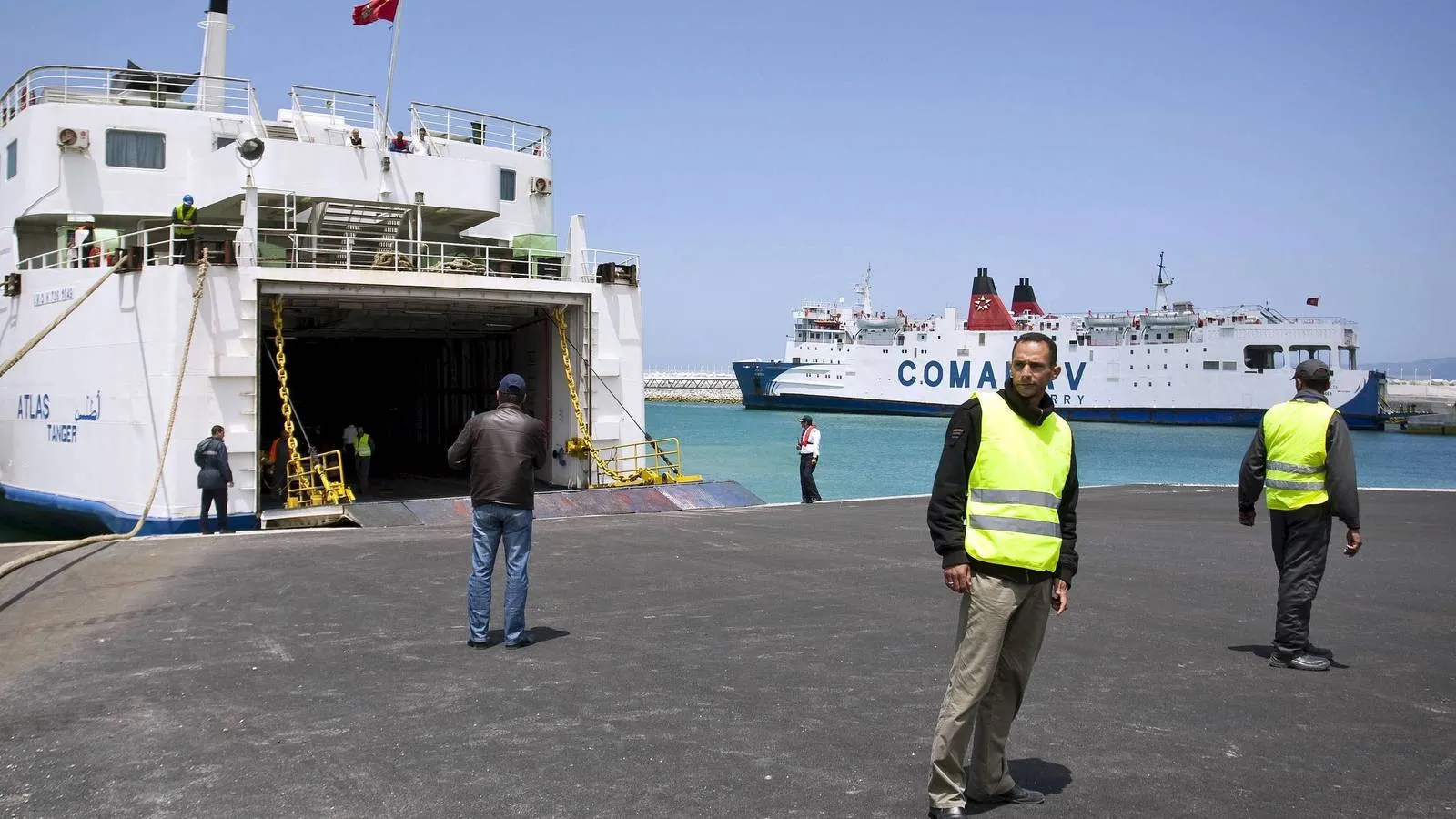

Recent developments have seen Moroccan authorities intensifying the scrutiny of documentation required for Spanish travelers entering Morocco through various border crossings. As reported by the Spanish newspaper La Razon on Tuesday, October 6, 2026, some travelers are now required to present a return ticket and hotel reservation, in addition to answering questions regarding the purpose of their visit and the duration of their stay. This shift towards stricter monitoring comes after a period characterized by more lenient checks of these documents. However, the reported measures suggest an increase in the verification of existing requirements rather than the introduction of new visas or documentation specifically for Spanish citizens.
In detail, Spanish citizens may be asked to provide essential travel information and documentation, such as a return ticket to confirm their expected departure date, a hotel reservation to indicate their accommodation during their stay, and responses to questions concerning the reason for travel and length of stay. While the report does not specify all the border crossings affected, nor does it clarify when these checks will commence or whether they will be applied uniformly to all travelers, it leaves many questions unanswered regarding the rationale behind these heightened controls.
Understanding Visa Requirements for Spanish Citizens
The Spanish Embassy in Rabat has clarified that Spanish passport holders are exempt from requiring a visa for stays of less than 90 days. It is crucial to differentiate between the visa exemption and the verification of travel details at the border; the exemption does not eliminate the need for a valid passport or the requirement to answer questions about the visit.
Travel recommendations from the Spanish Consulate in Larache emphasize the necessity of carrying a valid passport with at least six months of remaining validity throughout the stay. Tourists are permitted to stay for a maximum of 90 days within any six-month period, with a total cap of six months within a calendar year. It is advisable to review the official consulate page before departure for any updates regarding travel requirements.
Practical Tips for a Smooth Entry
Given the recent updates on border controls for Spanish travelers entering Morocco, it is advisable for travelers to prepare by carrying their passports and keeping clear copies of their return tickets and accommodation bookings. Additionally, travelers should be aware of their accommodation address and travel dates. These are practical recommendations for preparation, and they do not constitute a new list of mandatory requirements for all travelers. For those visiting family or friends, it would be wise to inquire in advance with the Moroccan consulate about appropriate documentation for such visits instead of assuming that a hotel reservation is necessary.
Furthermore, the Moroccan National Tourist Office provides information in Arabic about travel procedures to Morocco, which can help travelers review their requirements based on nationality and travel documents.
The article primarily discusses Spanish citizens but does not clarify how it affects individuals who also hold Moroccan citizenship. Therefore, it cannot be generalized to this group without further clarification from the relevant authorities. To better understand the implications of dual nationality, readers may find it useful to read our article on dual Spanish-Moroccan nationality: what the law recognizes and what is practically applied. Conversely, the procedures for traveling from Morocco to Spain are different, and we have elaborated on them in our guide on how to apply for a Spanish Schengen visa from Morocco.
As reported by espanaenarabe.com.