
Morocco's Shift Back to Greenwich Mean Time
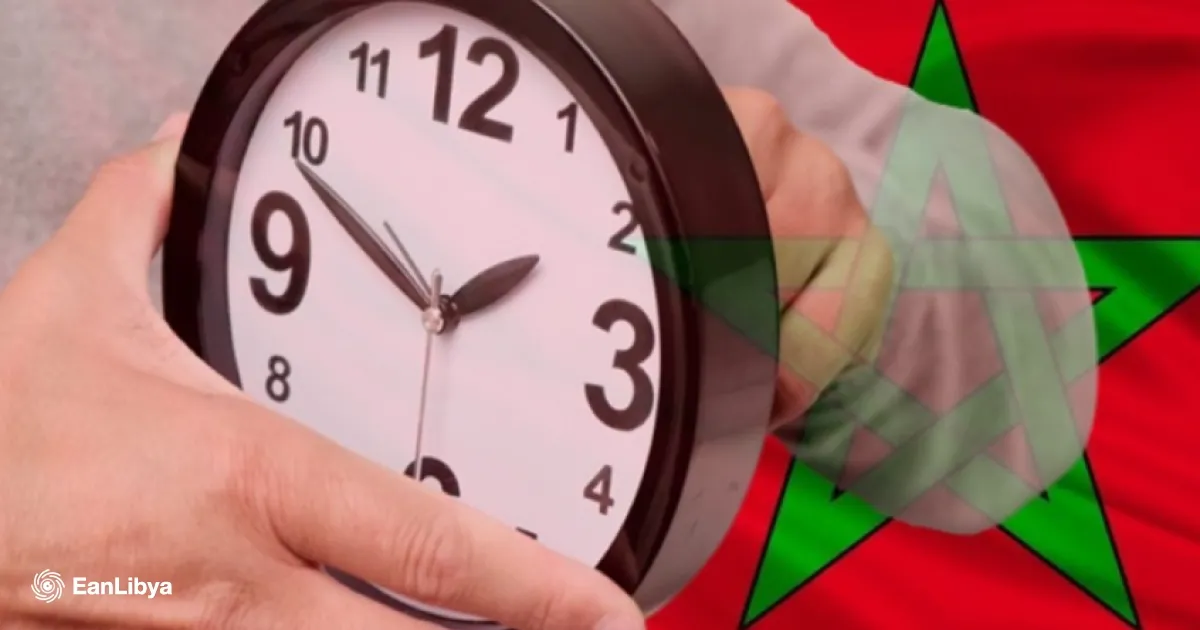
In a significant change, Morocco has announced its return to Greenwich Mean Time (GMT) effective September 20, 2026, following the government's approval of a decree to reverse the current GMT+1 time zone. This decision marks the end of a practice that has been in place since 2018, when Morocco adopted the additional hour for energy conservation and to better align with European time schedules.
The newly enacted decree, numbered 2.26.530, establishes the mean time at the Greenwich meridian as the legal time for the kingdom and effectively cancels the previous decree, number 2.18.855, which allowed for a one-hour advancement throughout the year, excluding the month of Ramadan. The implementation of GMT+1 had sparked extensive debate among the Moroccan populace, particularly concerning its practical implications on daily life, educational routines, and overall health, as well as concerns regarding its effectiveness in reducing energy consumption.
Earlier this year, the Minister of Energy Transition and Sustainable Development, Leila Benali, addressed parliament, indicating that maintaining the extra hour during winter months does not yield the same benefits as it does during the summer. She noted that there had been no significant reduction in electricity demand in 2026, emphasizing the importance of revising studies related to the impact of this time system on energy usage.
The decision to revert back to GMT coincides with a public digital campaign advocating for a return to natural time, which garnered over 300,000 signatures on an online petition. The timing of this shift is particularly noteworthy as it will take effect just three days prior to the upcoming legislative elections, concluding an eight-year experiment with the additional hour.
This change reignites discussions about the outcomes of the GMT+1 policy and its economic, social, and energy consumption impacts, especially as the debate continues over the practicality of maintaining the additional hour during the winter months.
As reported by eanlibya.com.