
Morocco's Return to GMT: A Shift in Timekeeping
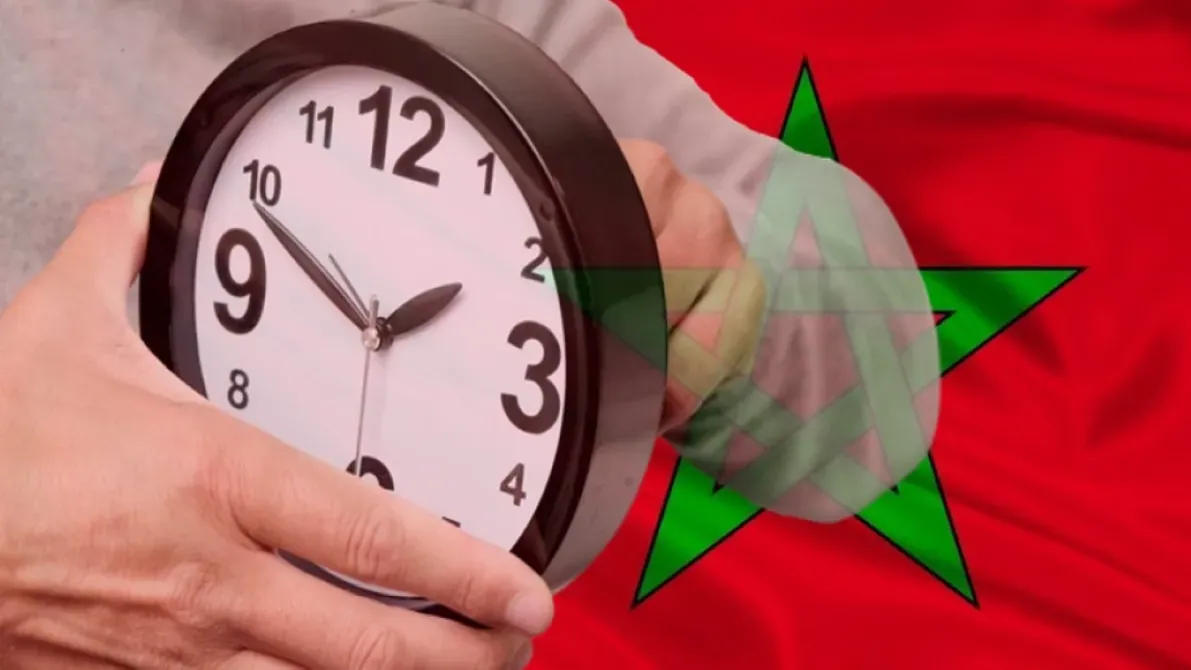
In a significant move, Morocco is set to revert to Greenwich Mean Time (GMT) as its official time zone starting September 20, 2026. This decision comes as part of the government's new decree, which cancels the previous directive that maintained GMT+1 throughout the year, except during the month of Ramadan. The new regulation aims to align the country's timekeeping with the universal standard, thereby eliminating the additional hour that has been a point of contention among the populace.
The introduction of GMT+1 had sparked considerable debate within Morocco, raising concerns about its impact on daily life, particularly regarding students' sleep patterns and overall daily routines. Critics have questioned the validity of the time adjustment in terms of its benefits for energy consumption. During a parliamentary session earlier this year, Energy Transition and Sustainable Development Minister Leila Benali remarked that the winter implementation of the additional hour did not yield the same energy savings observed in the summer months. She emphasized the necessity for updated studies to better understand the effects of time changes on energy usage in the country.
This decision to revert to GMT follows widespread public demand for a return to the natural time. An online petition advocating for this change garnered over 300,000 signatures, reflecting the strong sentiment among Moroccan citizens. The upcoming shift will officially take place just three days before the legislative elections, marking the end of an era of eight years under the additional hour scheme. The ongoing discussions surrounding the outcomes of this timekeeping experiment continue to revolve around its economic, social, and energy-related implications.
As reported by ahwal.sa.