
Morocco Calls for Sustainable Solutions in Tindouf Refugee Camps
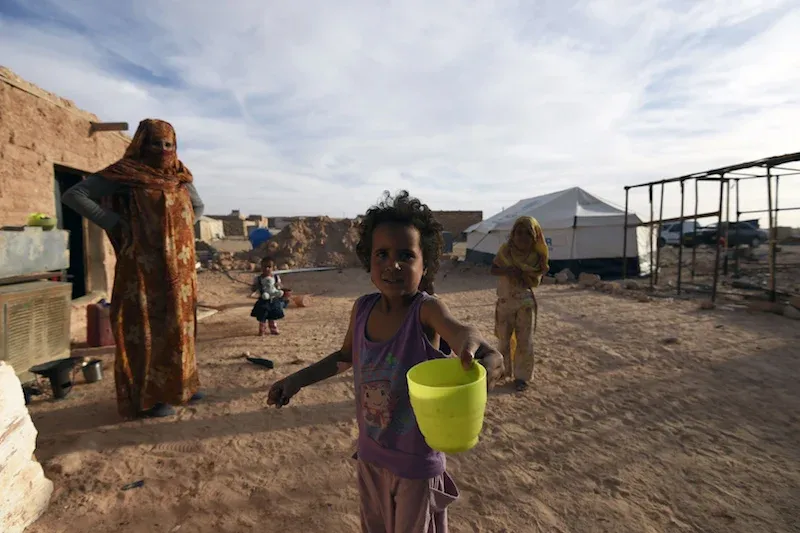
On Wednesday, during a session in Geneva, the Moroccan government urged the United Nations High Commissioner for Refugees (UNHCR) to incorporate "sustainable solutions" into its budget planning for the Tindouf camps located in Algeria. The Moroccan delegation emphasized that the funding allocated over several decades has perpetuated an expensive system that maintains the status quo rather than actively contributing to a resolution of the ongoing crisis.
Omar Zenib, Morocco's permanent representative to the United Nations and other international organizations in Geneva, addressed the Permanent Committee of the UNHCR, highlighting that sustainable solutions include the dignified return of the affected population, resettlement in third countries willing to assist, and integration into the host nation. He noted that since 2021, the UNHCR has mobilized approximately $90 million for the Tindouf camps, yet the situation continues to deteriorate with rising malnutrition rates and diminishing economic independence, alongside a prohibitive lack of access to employment opportunities.
Zenib articulated that these statistics do not reflect a protective program but rather a costly maintenance system that is insufficient given the pressing needs of the population in question. He reiterated that international refugee law prescribes three sustainable solutions—voluntary repatriation, resettlement, and local integration—as essential avenues to halt the extended displacement that burdens the system.
Furthermore, the ambassador reaffirmed Morocco's commitment to fully shoulder its share of responsibility, especially after the Security Council adopted resolution 2797, which acknowledged Morocco's autonomy initiative, thus opening a political horizon that surpasses the current stalemate. He stressed that King Mohammed VI's call for the dignified return of the concerned populations signifies a commitment to welcome them unconditionally and on an individual and voluntary basis.
In addition, Morocco supports the other two solutions of resettlement in third countries and integration into the host country, respecting the free choice of each individual. Zenib emphasized that this approach is not isolated, as many donor countries, which are significant contributors to the budget, have expressed willingness to finance solutions that lead to resolution rather than prolonging the situation. He urged the UNHCR to leverage this willingness by placing sustainable solutions at the core of its budgeting plans and to engage with concerned states and willing partners to explore these three solutions ahead of the upcoming Executive Committee session.
Finally, the Moroccan ambassador concluded that the goal of halving prolonged cases by 2035 is fundamentally a budgetary objective, which will be determined by how each dollar is allocated in this context.
As reported by hespress.com.