
Morocco vs Senegal: CAF's Controversial Decision on AFCON Final
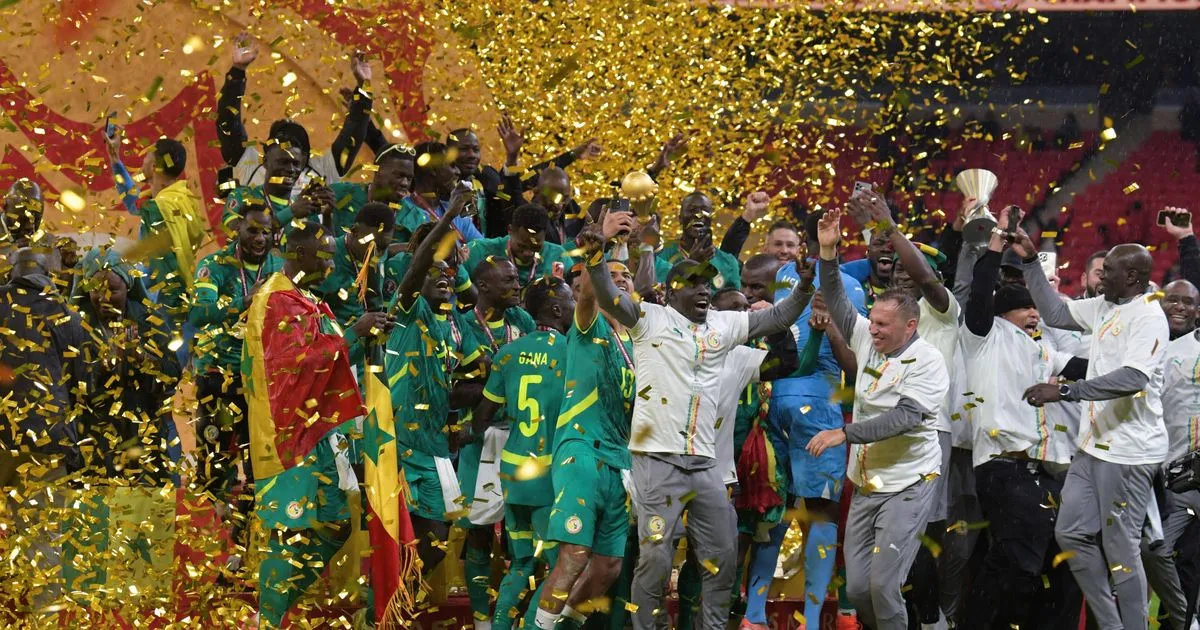
In a stunning turn of events, the Confederation of African Football (CAF) has declared Morocco as the winner of the Africa Cup of Nations (AFCON) final against Senegal, overturning the original 1-0 victory recorded by Senegal on February 18, 2026. This decision, made two months post-match, has raised eyebrows and sparked debates surrounding the governance and integrity of football on the continent. The ruling was based on Article 82 of CAF's regulations, which penalizes teams for leaving the pitch without the referee’s consent. The Senegalese players had exited the field following a controversial penalty call that led to a tense standoff, ultimately allowing Morocco to claim their first AFCON title in fifty years.
The final match, held at the Prince Moulay Abdellah Stadium in Rabat, witnessed significant drama. With the score at 0-0 in the dying minutes of the game, Senegal had a goal disallowed, followed by a contentious penalty awarded to Morocco. The resulting chaos saw Senegalese players leave the field in protest, only to return moments later. The Moroccan striker, Brahim Diaz, missed the penalty, and Senegal capitalized on the situation to secure a win. However, the aftermath of the match saw discontent brewing among players and fans alike, leading to calls for an investigation into the officiating and subsequent events.
As reported by challenges.fr.
The Implications of CAF's Decision
The ramifications of CAF's ruling extend beyond just a trophy switch. It highlights the persistent issues within African football governance, where administrative decisions often overshadow the spirit of the game. Notably, FIFA President Gianni Infantino's remarks following the final insinuated bias, suggesting that the Senegalese players’ actions warranted disciplinary measures. This has led to widespread criticism of CAF’s methods, particularly regarding how they enforce rules and the apparent lack of context in their decisions. The ruling body’s reliance on rigid regulations has raised questions about fairness and the interpretation of such rules in light of the match's emotional and chaotic context.
This entire saga underscores the need for reforms within Africa's footballing institutions. While the players continue to evolve and improve, with Morocco and Senegal boasting talented squads and impressive performances on international stages, the administrative side remains fraught with challenges. Morocco, a nation that has recently made significant strides in developing its football infrastructure and talent, now faces scrutiny over its officials' ability to manage such high-stakes scenarios. The decision to postpone the women's AFCON, allegedly due to the fallout from the men's final, further complicates the picture, revealing a governance structure that seems reactive rather than proactive.
As the football world watches this unfolding situation, it is essential for both the CAF and FIFA to consider reforms that prioritize the integrity of the sport and the experiences of the players and fans alike. The future of African football may hinge on how these organizations respond to this controversial decision and the broader implications it carries for the sport on the continent.