
Since King Mohammed VI ascended to the throne in 1999, Morocco has undergone a remarkable 27-year evolution characterized by two interlinked dimensions: a fundamental shift in the national investment strategy and a comprehensive industrial upgrade, transitioning from basic subcontracting in original equipment manufacturing to becoming a competitive regional manufacturing hub.
Over nearly three decades, the kingdom has first established a solid economic foundation through extensive investment in infrastructure, subsequently redirecting capital towards high-value manufacturing, green industries, and private sector-led growth, thereby reshaping its position within global industrial networks and supply chains.
27 Years of Infrastructure Development: The Backbone of Manufacturing Equipment
The transformation in Morocco commenced with an investment strategy focused on infrastructure, which provided tangible strength in transportation, logistics, and energy sectors. The expansion of the Tangier-Med Port has transformed the facility into one of the most significant transshipment hubs in the Mediterranean, while the national highway network, built from scratch, now connects all major cities. The launch of the Al Boraq, Africa's first high-speed train line, has drastically reduced travel time between Tangier and Casablanca.
Parallel investments in industrial complexes, integrated logistics platforms, dams, seawater desalination plants, and large-scale energy projects have constructed a complete ecosystem of equipment to support export-oriented manufacturing. As policy priorities evolved, the government shifted its focus from merely measuring total investment volume to assessing capital efficiency and industrial value creation, implementing targeted policies designed to promote private investment, technological innovation, and local value-added output.
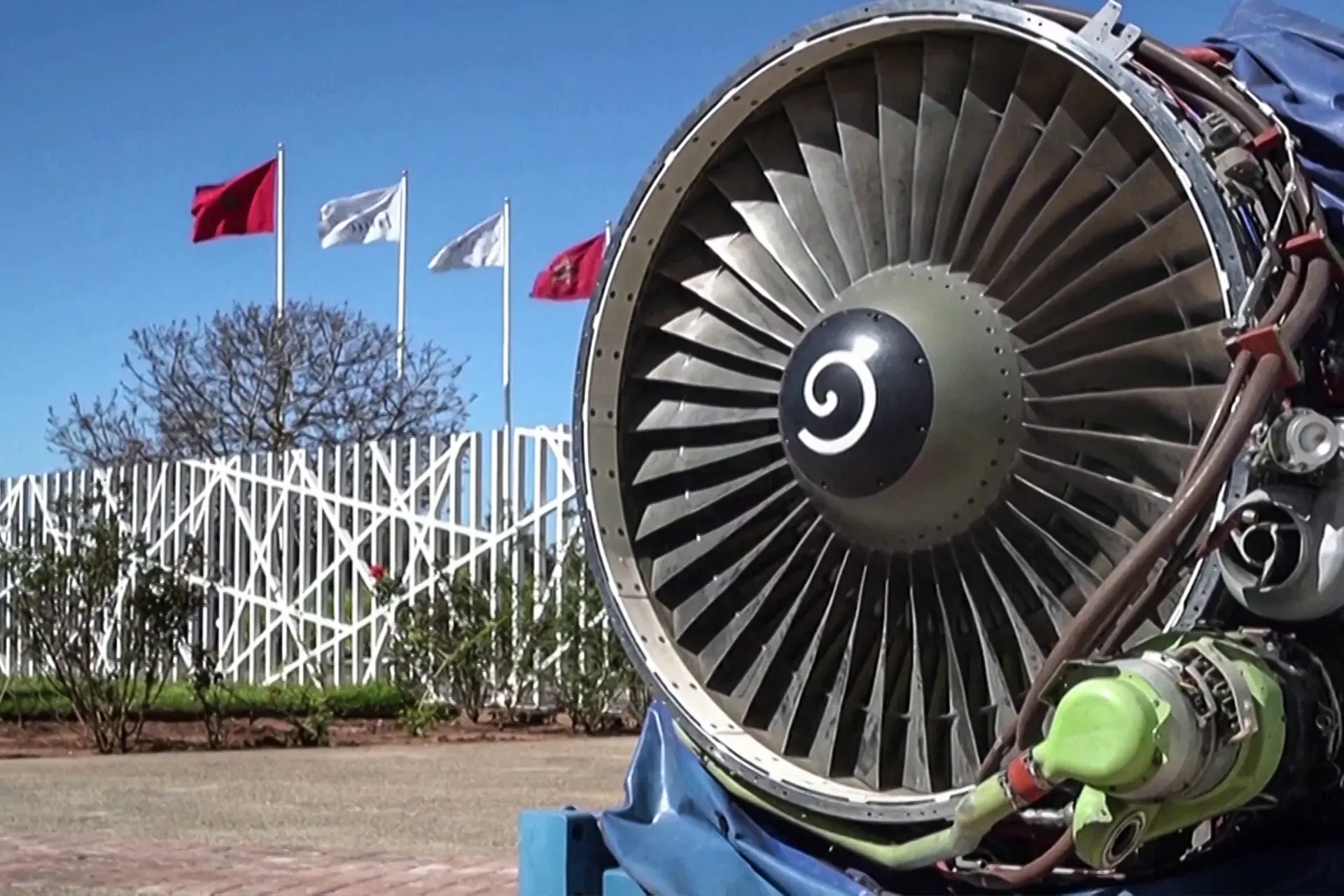
With robust infrastructure and record foreign investments backing the sector, Morocco's key industrial sectors have seen significant advancements in automotive manufacturing, aerospace, and new energy batteries.
Rising Foreign Direct Investment and the Shift to High-Value Sectors
In the context of a global slowdown in foreign direct investment (FDI), Morocco has increasingly attracted international investors. According to the 2026 World Investment Report published by UNCTAD, Morocco garnered $3.3 billion in FDI inflows in 2025, marking an impressive annual increase of 91%, ranking second among all North African countries. Cumulative FDI stock surpassed $80 billion for the first time, reaching $80.8 billion, a 25.2% year-on-year increase.
Importantly, the structure of incoming foreign capital has evolved dramatically. Investment is no longer concentrated in traditional low-cost, labor-intensive industries; instead, capital is flowing intensively into high-value sectors such as advanced manufacturing, renewable energy, green hydrogen, cross-border logistics, and the industrial supply chain for new energy vehicle batteries. This structural reorganization aligns perfectly with the roadmap for local industrial modernization in Morocco, which includes rapid development of the lithium battery supply chain, the launch of green hydrogen projects, and ongoing expansion of renewable energy capacity.
Backed by strong infrastructure and unprecedented foreign investment, Morocco's main industrial sectors have made significant advancements in automotive manufacturing, aerospace, and new energy batteries, positioning the nation as a leader in manufacturing across Africa.
For further details, please refer to the original article As reported by aljazeera.net.