
The Moroccan aerospace sector is poised for significant growth, with exports expected to approach 50 billion dirhams, or approximately $5 billion, over the next two years. This remarkable increase comes in stark contrast to the roughly $3 billion recorded last year, driven by a surge in investments, rising global demand, and the kingdom's shift towards higher value-added industrial and technological activities. As of the end of August, the aerospace industry has already recorded exports nearing 30 billion dirhams, reflecting an impressive annual growth rate of about 21.5%. This performance marks the best among Morocco's export industries, with current export levels matching the total output of the previous year.
According to Mohammed Blatik, the president of the Moroccan Aerospace and Space Industries Association (GIMAS), the sector currently encompasses around 150 companies, having more than doubled in size over the past decade. He forecasts that exports are on track to set a new record by surpassing $5 billion in the coming years. Currently, the industry provides approximately 25,000 jobs, with women representing 40% of the workforce. Major players such as Boeing, Airbus, and Safran are among the prominent companies operating in this sector, producing aircraft components and assembling various parts, thereby positioning Morocco as a crucial link in the global value chain of the aerospace industry.
Advancing Value Addition in Aerospace
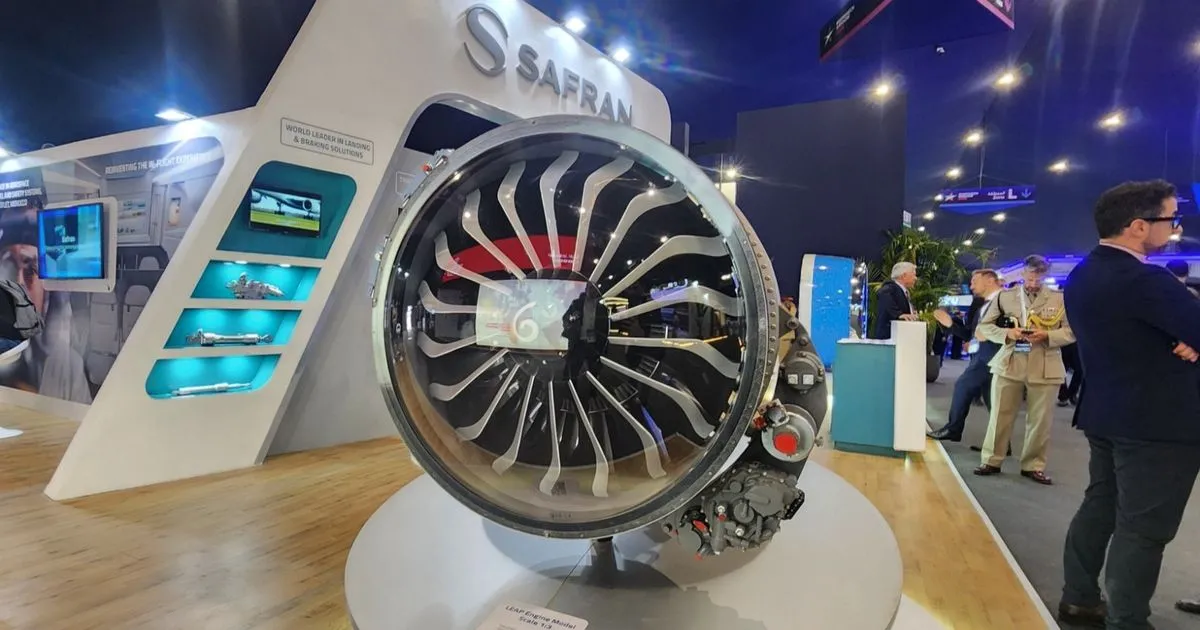
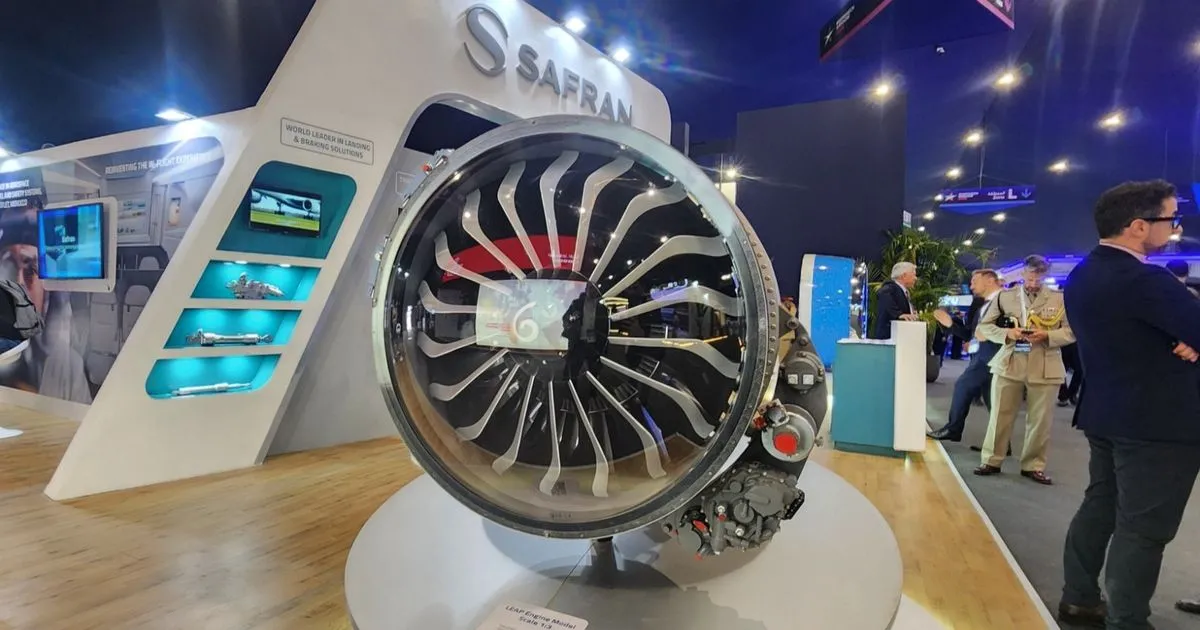
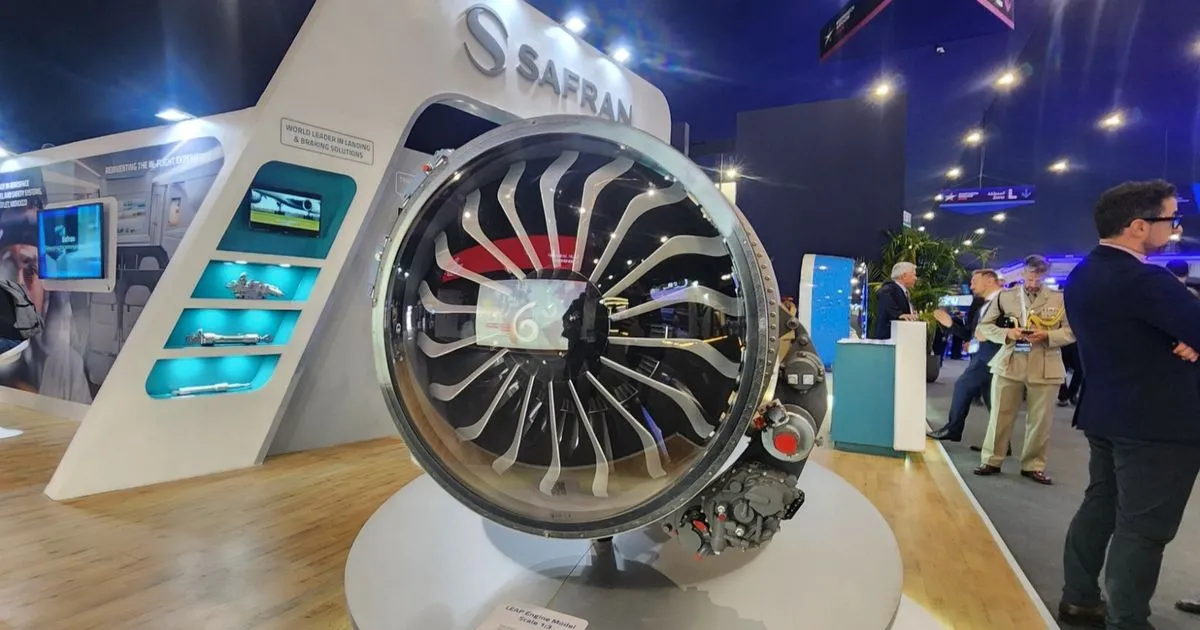
The Moroccan aerospace ecosystem has evolved beyond just manufacturing aircraft parts; it now includes the production of components, wiring, system integration, engine maintenance, and assembly. Blatik noted that recent projects, particularly in the areas of engines and landing systems, reflect a transition towards higher value-added and technologically advanced activities. Morocco is gradually transforming from a mere industrial base into a technological partner within global value chains. This shift is exemplified by the expansion of French company Safran, which launched a comprehensive aircraft engine project in October 2025 in the Nouaceur region near Casablanca. This initiative includes a facility for assembling and testing LEAP-1A engines and another for repairing LEAP engines, with an assembly capacity of 350 engines annually and a maintenance capacity of 150 engines, supported by investments exceeding 350 million euros for these projects and their associated expansions.
In February 2026, Safran further strengthened its presence with an additional investment of over 280 million euros to establish a factory for aircraft landing systems in Nouaceur, expected to create 500 jobs once operational. This facility will encompass precision manufacturing, assembly, testing, certification, and advanced maintenance activities. Blatik believes this trajectory enhances the technological complexity of the Moroccan industry, emphasizing that the kingdom's ambitions extend beyond attracting investments to elevating the status of existing companies within global value chains and promoting research, development, engineering, and technology activities.
Aiming for Complete Aircraft Assembly by 2030
Morocco has set its sights on achieving full aircraft assembly capabilities by 2030, a move that reflects the expansion of its aerospace ecosystem from component manufacturing to more advanced stages of aircraft production, according to the Ministry of Industry and Trade. Blatik pointed out that global demand presents a significant opportunity for Morocco, especially with companies like Airbus planning to increase aircraft production in the coming years. The substantial number of components involved in aircraft manufacturing allows Moroccan manufacturers to expand their participation in production chains, provided they continue to develop skills and maintain high-quality standards. The Secretary General of the Ministry of Industry and Trade noted that the global transformations occurring in the sector, particularly the shift towards diversification of supply chains and production sources, offer Morocco a chance to strengthen its position within these chains, rather than merely attracting new investments.
GIMAS anticipates adding approximately 10,000 new jobs to the sector, bringing total employment to around 35,000 by 2030. The specialized institute for training aerospace technicians affiliated with GIMAS aims to graduate between 500 and 700 individuals annually. Approximately 75% of companies in the sector are concentrated in the Casablanca-Settat region, where the primary challenge lies not in attracting investments but in providing the necessary land and industrial spaces to accommodate the expansion of most investing companies in the sector.
As reported by asharqbusiness.com.