
In recent years, Morocco's aerospace industry has witnessed a remarkable transformation, poised to reach export figures nearing 50 billion dirhams (approximately $5 billion) within the next two years. This surge represents a significant increase from the $3 billion recorded last year, fueled by expanding investments, rising global demand, and the kingdom's shift towards higher value-added industrial and technological activities. By the end of August, exports from the aerospace sector had already hit around 30 billion dirhams, reflecting an impressive annual growth rate of 21.5%. This performance has positioned the aerospace sector as the best-performing industry in Moroccan exports, with the current export figures matching the total achieved throughout the previous year.
Mohamed Belatiq, the president of the Moroccan Aerospace Industries Association (GIMAS), noted that the sector currently encompasses approximately 150 companies, having experienced a two-and-a-halffold increase in size over the past decade. He anticipates that the industry is on track to achieve record exports exceeding $5 billion in the next two years. The aerospace industry currently provides 25,000 jobs, with women representing 40% of the workforce. Major players in this sector include Boeing, Airbus, and Safran, which manufacture and assemble various aircraft components, establishing Morocco as a crucial link in the global aerospace value chain.
Toufik Mchirfi, the Secretary General of the Ministry of Industry and Trade, emphasized that Morocco has successfully built a solid industrial base in the aviation sector over the past 25 years. The kingdom has leveraged its strategic geographical position, international-standard infrastructure, stability, and skilled workforce alongside a competitive and stable investment landscape. These factors have made Morocco a trusted destination for an increasing number of global companies.
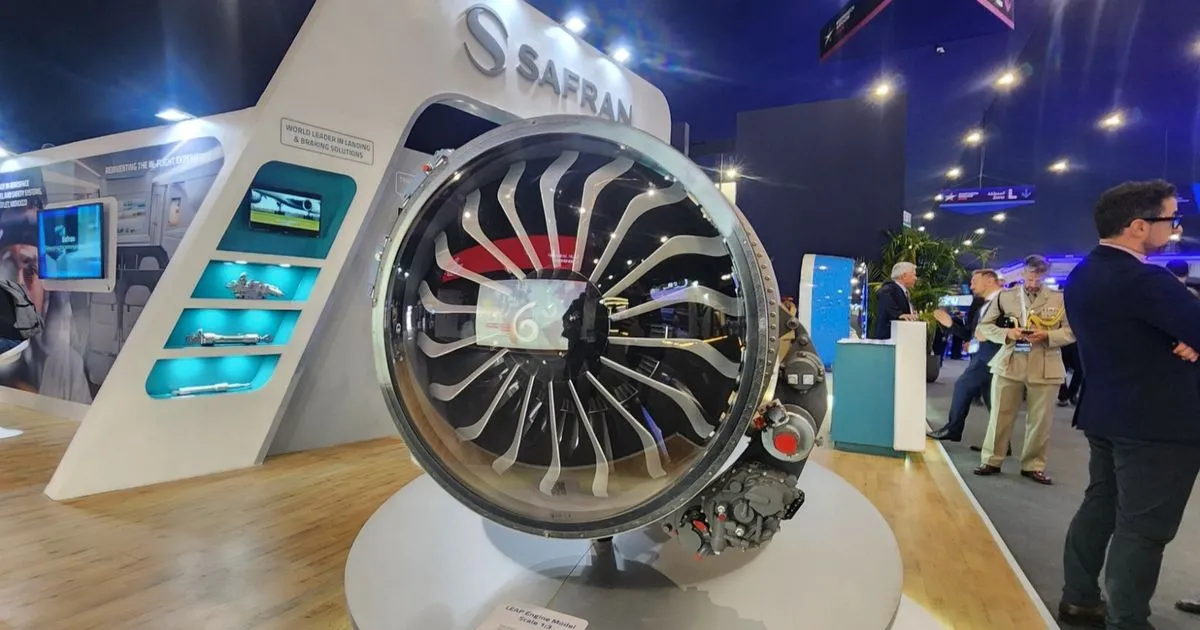
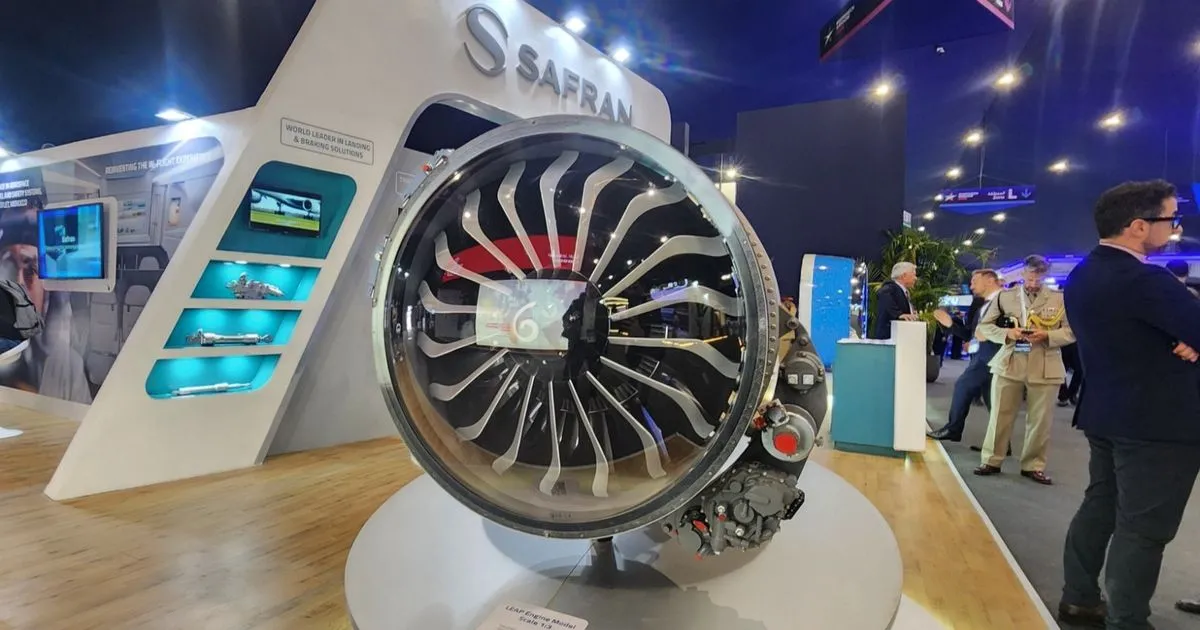
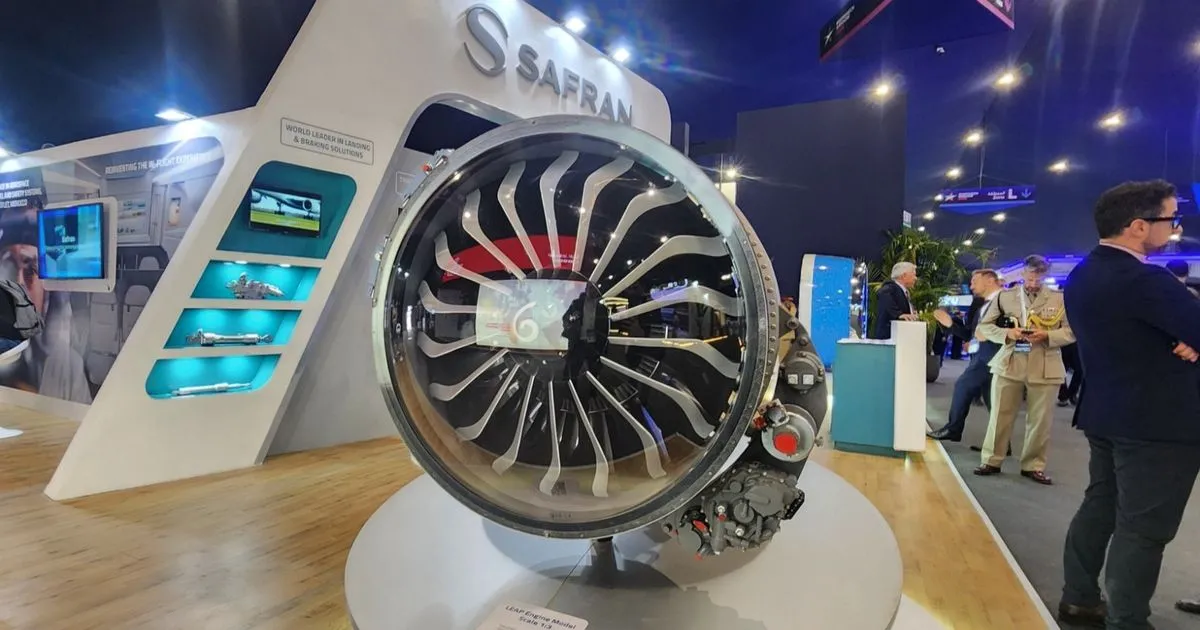
The Moroccan aerospace ecosystem is no longer limited to manufacturing aircraft parts; it now extends to the production of components, wiring, system integration, engine maintenance, and assembly. Mchirfi pointed out that recent projects, particularly in the field of engines and landing systems, represent a transition towards higher value-added and technological activities, gradually transforming Morocco from a mere industrial base into a technological partner within global value chains. This shift is exemplified by Safran's expansion, which launched a comprehensive aircraft engine project in October 2025 in the Nouacer region near Casablanca. This initiative includes a facility for assembling and testing LEAP-1A engines and another for the maintenance and repair of LEAP engines, with a combined investment exceeding 350 million euros.
In February 2026, Safran further solidified its presence in the region with an additional investment of over 280 million euros to establish a landing gear systems factory in Nouacer, expected to create 500 jobs upon reaching full operational capacity. This site will encompass precision manufacturing, assembly, testing, certification, and advanced maintenance activities. Mchirfi believes that this trajectory elevates the technological complexity of Morocco's industry, with the kingdom's ambition extending beyond attracting investments to enhancing the position of existing companies within global value chains and fostering research, development, engineering, and technology activities.
Looking towards the future, Morocco aims to achieve full aircraft assembly capabilities by 2030, indicating a significant expansion of the aerospace ecosystem from component manufacturing to more advanced stages of aircraft production. Belatiq highlighted that global demand presents a substantial opportunity for Morocco, particularly as companies like Airbus plan to increase aircraft production in the coming years. The extensive array of components involved in aircraft manufacturing allows Moroccan manufacturers to expand their participation in production chains, provided they continue to develop skills and maintain high-quality standards.
The Secretary General of the Ministry of Industry and Trade also noted that global shifts in the sector, particularly companies diversifying their supply chains and production sources, offer Morocco a chance to bolster its position in these chains, rather than solely attracting new investments. GIMAS anticipates adding around 10,000 new jobs to the sector, raising total employment to approximately 35,000 by 2030. The specialized institute for training aerospace technicians affiliated with GIMAS aims to graduate between 500 and 700 individuals annually. Approximately 75% of companies in this sector are concentrated in the Casablanca-Settat region, with the primary challenges not lying in attracting investments but in providing the necessary land and industrial spaces amid the expansion of most investing companies in the sector.
As reported by asharqbusiness.com.