Record Growth in Morocco’s Aviation Sector
The summer of 2026 has proven to be a remarkable period for Morocco’s aviation sector, as airports across the nation have reported unprecedented increases in passenger traffic. This surge reflects the ongoing expansion and enhancement of the country’s airport infrastructure, which is crucial for supporting the growing demands of both tourism and commerce. The statistics indicate a thriving transportation network that plays a vital role in Morocco’s economic development.
Key Highlights from Major Airports
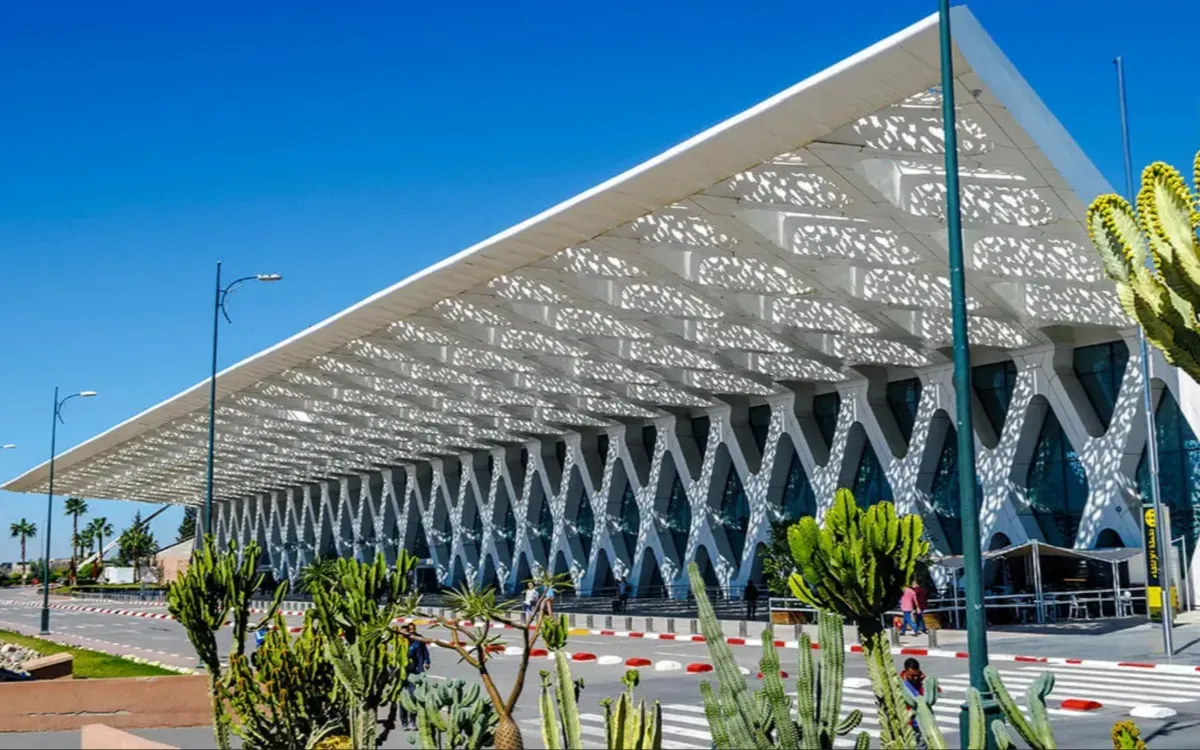
According to a recent announcement from Moroccan Airports Authority, Mohammed V International Airport in Casablanca stood out during the first weekend of August, accommodating a staggering 46,439 passengers within a single day, marking a historic record for the airport. This spike in passenger numbers is not isolated; several other airports, including Marrakesh Menara and Agadir Al Massira, have also reported significant increases, with Marrakesh receiving over 30,000 travelers in just one day and Agadir welcoming 11,973 passengers during peak periods. Notably, Tangier Ibn Battouta Airport recorded 13,309 travelers, highlighting a broader trend of rising air travel across Morocco.
The growth is particularly pronounced in the airports of Dakhla and Tetouan, which experienced remarkable year-on-year increases of 45.2% and 36.14% respectively, underscoring a heightened interest in air travel to various Moroccan destinations.
These impressive numbers come on the heels of a record-setting 36.3 million travelers in 2025, indicating a sustained upward trend in air travel demand. Moroccan Airports Authority emphasized that this growth is indicative of the crucial role airports play in enhancing the country’s tourism appeal and economic attractiveness, especially as international flight connections expand.
To manage the increasing volume of passengers effectively, the "Airports 2030" strategy aims to improve capacity and service quality throughout the airport network. This initiative focuses on upgrading infrastructure, digitizing services, and optimizing passenger flow to accommodate evolving travel patterns and ensure readiness for future growth.
The collaborative effort among various stakeholders, including the Royal Moroccan Police, customs and tax authorities, and Royal Air Maroc, is essential in managing peak travel periods, ensuring a seamless experience for travelers. The Moroccan Airports Authority is committed to adapting to the changing dynamics of the aviation sector, reinforcing its capacity to meet the growing demands of air travel sustainably while enhancing the overall service quality.
As reported by mcg24.com.