
Addressing Water Shortages with Innovative Solutions
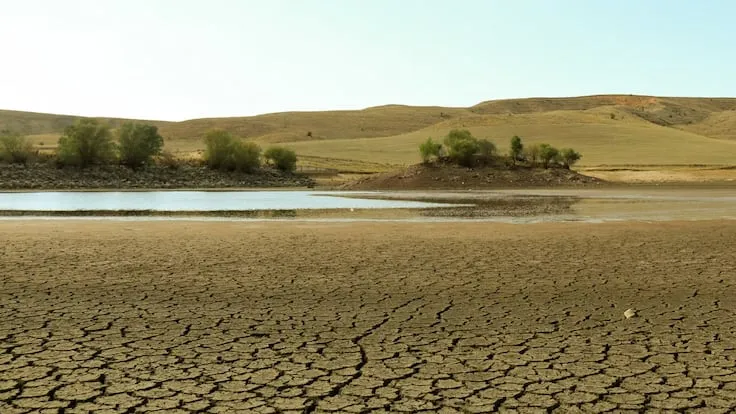
In response to the escalating water scarcity and seven years of extreme drought, Morocco has embarked on a large-scale strategy focused on the desalination of seawater to diminish its reliance on rainfall. The Moroccan government aims for a significant transformation in its water supply by the year 2030, aspiring for 60% of its potable water to be sourced directly from the ocean. This ambitious initiative is designed to reserve freshwater resources from reservoirs primarily for inland areas and agricultural use.
Major Investments in Desalination Infrastructure
The cornerstone of this transformative initiative is a desalination plant currently under construction near Casablanca, undertaken by the Spanish company Acciona. Valued at an impressive $650 million, this facility is set to become the largest desalination plant in Africa. Powered by wind energy, the plant is projected to commence operations by 2027, with the capability to supply water to 7.5 million residents and facilitate irrigation across 20,000 acres of farmland. This megaproject is part of a broader national plan encompassing an investment of $14 billion, which includes the construction of new dams, the recycling of wastewater, and the establishment of 'water highways' that will transport resources from the northern regions to the southern parts of the country.
Morocco has already made substantial strides in enhancing its desalination capacity, with 17 plants currently operational and an additional 11 under construction, resulting in a ninefold increase in production capacity since 2021. This advancement has led to a remarkable annual output of approximately 108 billion gallons of desalinated water. However, despite these advancements, Morocco faces considerable environmental and technical challenges. One of the main concerns lies in the high energy consumption associated with reverse osmosis technology and the management of brine byproducts. Experts have cautioned that this highly saline waste requires stringent treatment to avert severe consequences for marine ecosystems and to prevent the emergence of oceanic zones with critically low oxygen levels.
As reported by noticias24hrs.com.ve.