
Morocco's Transformative Aspirations
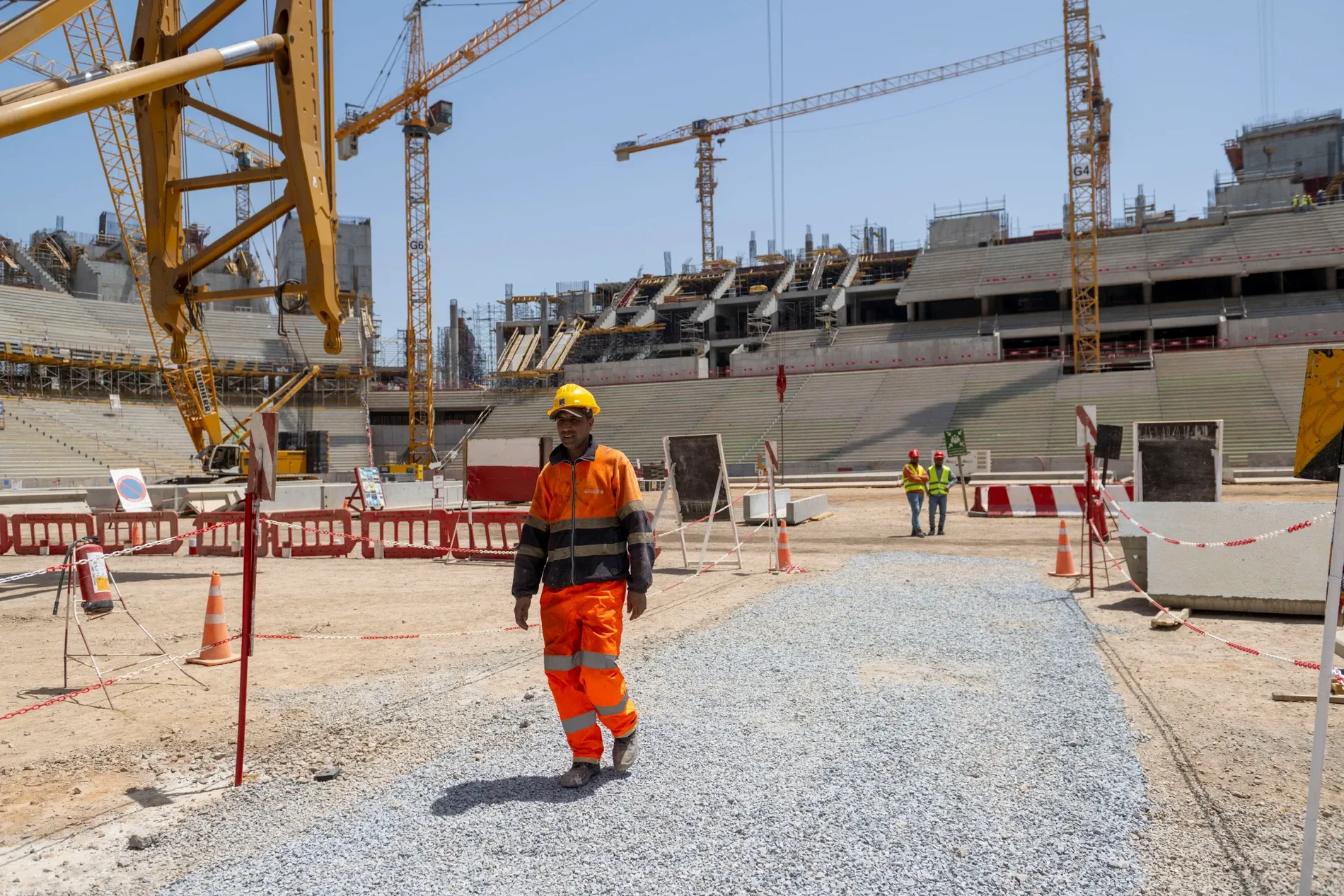
Morocco is currently experiencing a significant transformation, marked by ambitious infrastructure projects and a booming economy, as it prepares to host the FIFA World Cup in 2030. Towering cranes stand like sentinels over the landscape, indicating the rapid construction taking place, particularly the Grand Stade Hassan II, which aims to become the largest football stadium in the world. With a capacity of 115,000 spectators, it is designed with a roof reminiscent of traditional desert tents, symbolizing Morocco's aspirations on the global stage. The country is also enhancing its transportation infrastructure, with the Mohammed V International Airport undergoing major renovations and the introduction of a new railway network in Casablanca, linking the city to Marrakech with the 'Al Boraq,' Africa's fastest train, and facilitating rapid connections to Tangier.
As reported by faz.net.
The Youth's Struggle and Discontent
Despite these advancements, Morocco's youth face a starkly different reality. The recent mass exodus of over 70,000 individuals, primarily young Moroccans fleeing to the Spanish enclave of Ceuta, highlights deep-seated issues within the nation. These young individuals, motivated by a lack of opportunity and a desire for a better life, have become emblematic of a generation grappling with despair. While political debates surrounding these migration issues remain largely absent from current electoral discussions, the discontent among the youth is palpable. Protests have erupted in the past, with demands for investments in healthcare and education overshadowed by the government's focus on grandiose sporting events. The rising unemployment rates, particularly among graduates, paint a concerning picture of a generation that feels undervalued and trapped within an economic system that favors the elite.
The disillusionment among young Moroccans signals a broader societal malaise, exacerbated by corruption and nepotism, which complicates their prospects for upward mobility. With many young people unable to secure stable employment, they are left to navigate an informal economy that fails to provide them with a sustainable future. In this context, the government's emphasis on modernization and hosting international events appears disconnected from the pressing needs of its populace. The contrast between Morocco's economic growth and the daily struggles of its youth underscores a critical gap that must be addressed if the country is to realize its aspirations and retain its talented young population.