
Understanding the Impact of El Niño on Morocco's Climate
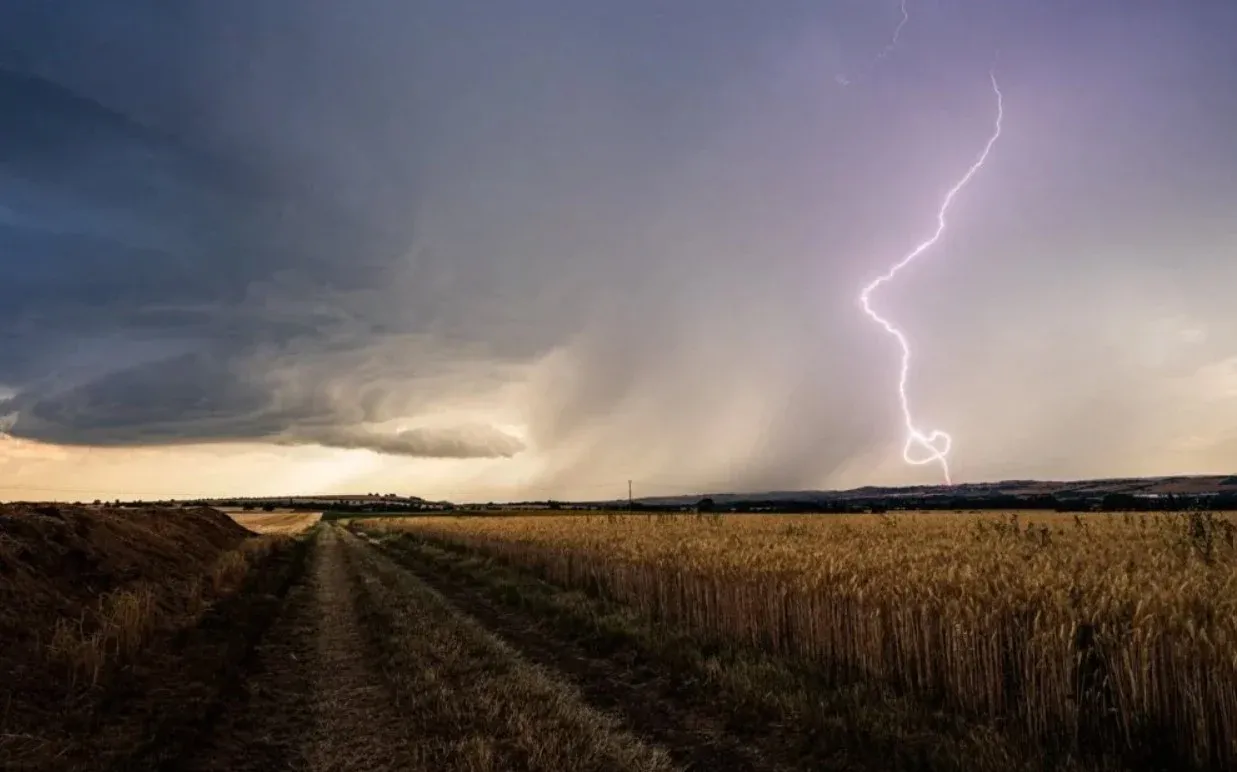
The onset of September brings with it significant weather alerts throughout Morocco, characterized by a combination of heat waves and thunderstorms. As the intensity of the El Niño phenomenon escalates, concerns regarding its influence on weather patterns in the region have come to the forefront. Climatologist Mohamed Said Karrouk, who teaches at Hassan II University in Casablanca, offers insights into the potential implications for Morocco as we navigate through these climatic changes.
Currently, Morocco is experiencing unusually high temperatures, reminiscent of summer, which continues until the astronomical end of the season on September 21. Such sustained warmth is a result of the ongoing effects of climate change, which has fundamentally altered the climate patterns that once prevailed. This shift has led to a consistent rise in global temperatures, as the energy balance of the planet has not stabilized but continues to accumulate, causing further increases in temperature.
The Regional Climate Dynamics and Future Predictions
El Niño's impact is not isolated to Morocco; it resonates throughout North Africa and the Iberian Peninsula, where high temperatures prevail due to an excess energy balance. In contrast, regions like France may experience cooler temperatures. The current climate situation is exacerbated by the presence of the Azores High, which is intensifying the warmth across our region and leading to ascending air currents that further elevate temperatures.
Looking ahead, the World Meteorological Organization has predicted that the effects of El Niño will persist until 2027, raising alarms about the possibility of an anomalously dry winter characterized by high temperatures and limited rainfall, significantly deviating from the typical cold season. El Niño does not generate heat; rather, it redistributes existing warmth across the globe, which can impact weather patterns extensively. This redistribution is crucial as it causes a warming effect that is felt globally, including in Morocco.
One concerning phenomenon that may develop in Morocco due to the reinforcement of the Azores High is a potential return to drought conditions. This could disrupt the recent rainfall experienced at the end of 2025 and the beginning of 2026, leading to a significant decrease in precipitation levels. The forecasts suggest that while autumn may witness increased rainfall due to the lingering summer heat and moisture in the atmosphere, any sudden drop in temperature could result in severe weather events, further complicating the climatic landscape.
As reported by yabiladi.com.