
Government Efforts to Harness Morocco's Gas Resources
The Moroccan government is actively working to optimize its natural gas resources, which are considered essential for ensuring the nation’s energy security while also facilitating reliable export supplies. Amine Benkhadra, the Director General of the National Office of Hydrocarbons and Mines (ONHYM), has outlined Morocco's priorities for developing its local gas market, identifying untapped potential sites for oil and gas within the kingdom. In an interview with The Energy Year, Benkhadra emphasized that Morocco’s attractive geology, political stability, institutional continuity, and transparent regulatory framework pave the way for long-term investments.
Morocco is cementing its position as a reliable hub capable of connecting continents, building integrated industrial systems, and fostering balanced partnerships beneficial to both Africa and Europe, as well as global stakeholders.
Exploring Oil and Gas Discoveries in Morocco
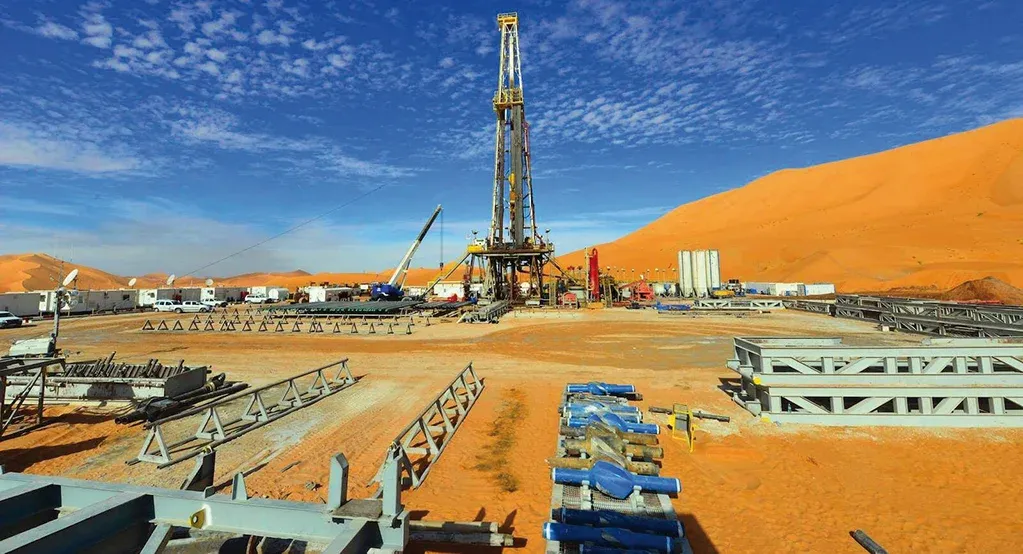
During her discussion, Benkhadra presented a detailed map highlighting the geological formations and basins with the most promising potential for oil and gas discoveries in Morocco. She explained that the country showcases a diversity of petroleum systems, including both gas and oil reserves. The focus of national interest in onshore exploration primarily revolves around three key basins: the Gharb Basin, which has been producing for over three decades; the Essaouira Basin, which supplies phosphate plants owned by OCP Group; and the Tendrara Basin in the northeastern region, where recent discoveries are expected to begin production by the end of 2026. Other basins such as Zak, Boudenib, Missour, Doukkala, and Tadla have also shown encouraging signs for gas presence.
However, Benkhadra believes that the greatest potential lies in the territorial waters along the Atlantic margin, particularly following the discovery of the Anchoa field, which confirmed the presence of promising resources. Recent drilling operations off the coast of Boujdour uncovered gas and condensate accumulations in Cretaceous reservoirs, while heavy and light oil accumulations and gas indicators were detected in the marine sector between Agadir and Tarfaya. These findings affirm that significant resources remain undiscovered in Morocco's maritime areas. Over the last two decades, Morocco has attracted a wide array of companies in the oil and gas sector, reflecting the quality of geological resources and the attractiveness of its regulatory framework.
Regarding the transformation of the ONHYM into a joint-stock company in June 2026, Benkhadra clarified that this move is part of a broader government program that includes public institutions in various sectors, aimed at providing a more efficient operational framework, enhancing governance, and granting these institutions access to broader funding options. She stated, "For ONHYM, this means we will be able to mobilize new investment resources beyond our own, while improving operational efficiency. At the same time, this transformation will enhance our ability to collaborate with partners through more flexible funding mechanisms and stronger governance structures." This development is set to boost investor confidence, enabling ONHYM to continue mitigating exploration risks through data generation, technical support, and partnership development.
As reported by attaqa.net.