
Morocco Prepares for the 2030 World Cup with the Hassan II Stadium
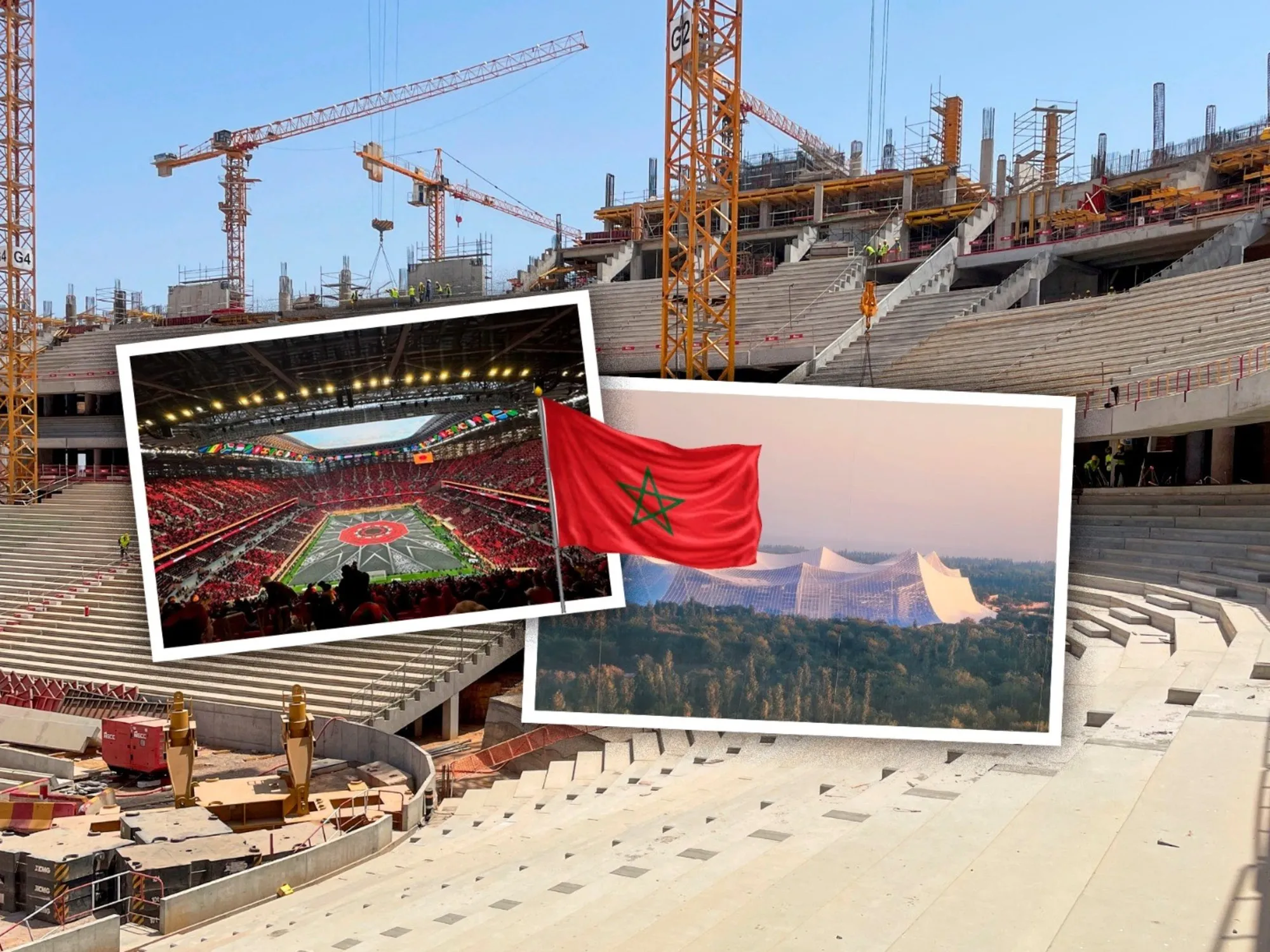
As of October 10, 2026, Morocco has made an indelible mark on the world of football, having reached the semifinals in the 2022 World Cup. This achievement not only sets them apart as the African nation with the farthest advancement in the World Cup but also as the sole representative from the continent to have reached the quarterfinals twice, with another quarterfinal appearance slated for 2026. Their impressive record is further complemented by being the top-performing Arab nation in international football statistics. Looking ahead, Morocco is gearing up to co-host the 2030 World Cup alongside Spain and Portugal, following an initial phase in Argentina, Uruguay, and Paraguay. In light of these developments, Moroccan authorities are diligently progressing with the construction of the Hassan II Stadium, which is projected to be the largest football stadium in the world, accommodating 115,000 spectators. Recently, a video showcasing the ongoing construction has surfaced, highlighting significant advancements in the project.
Although the 2030 World Cup is still a few years away, Morocco is not rushing the construction of its grand stadium. Located in Benslimane, just 50 kilometers from Casablanca, the stadium's structure is already taking shape, with substantial portions of the stands visible. While the project is still underway, the enormity of the stadium can be envisioned. The inauguration is scheduled for 2028, marking a pivotal moment in Morocco's sporting history.
The Vision Behind the Hassan II Stadium
The Hassan II Stadium is not merely a football arena; it is envisioned as a mini-city complete with hotels, a shopping center, gardens, and a high-speed train station located just meters away. Spanning 138 hectares of land nestled within a forest, the project also prioritizes environmental considerations, ensuring sustainable practices during construction. Renowned architectural firms Oualolou + Choi and Populous are behind the stadium's design, which draws inspiration from traditional Moroccan structures known as "moussem," characterized by the iconic Arab tent aesthetic. The stadium will feature an aluminum covering that extends to surrounding areas, enhancing the overall experience for fans.
The stadium's capacity of 115,000 is no coincidence; it is designed to surpass the current largest stadium in the world, the Rungrado 1st of May Stadium in Pyongyang, North Korea, which holds 114,000 seats. As Morocco aims for completion in 2028, it is positioning itself as a frontrunner in the race to host the World Cup final. The decision regarding the final venue is expected to be announced on March 18, 2027, during the FIFA Congress taking place in Rabat, where Morocco's football federation has recently established its headquarters in Africa.
Patrice Motsepe, the president of the Confederation of African Football (CAF), has lauded Morocco's growth in football, highlighting its historical achievements and its role as a continental leader. He emphasized the importance of continued investment in youth training and the development of football academies, such as the Mohamed VI complex in Rabat, to enhance African football's competitive edge. The ultimate aspiration is for an African national team to claim the World Cup title.
In conclusion, Morocco's ambitious plans for the Hassan II Stadium not only reflect the nation's commitment to hosting the 2030 World Cup but also signify a broader vision for the growth of football in Africa. With the construction progressing steadily and a focus on creating a multifaceted sports complex, Morocco is poised to make a lasting impact on the global football stage.
As reported by ole.com.ar.