
Morocco's Investment in Tourism Infrastructure Ahead of the 2030 FIFA World Cup
As Morocco prepares to co-host the 2030 FIFA World Cup alongside Spain and Portugal, the nation is making significant strides in enhancing its tourism infrastructure. The Moroccan government has committed an impressive investment of approximately $20 billion to develop various facilities that will not only accommodate the influx of tourists expected during the tournament but also stimulate long-term growth in the tourism sector. This investment is aimed at bolstering the economy, creating jobs, and enhancing the overall visitor experience.
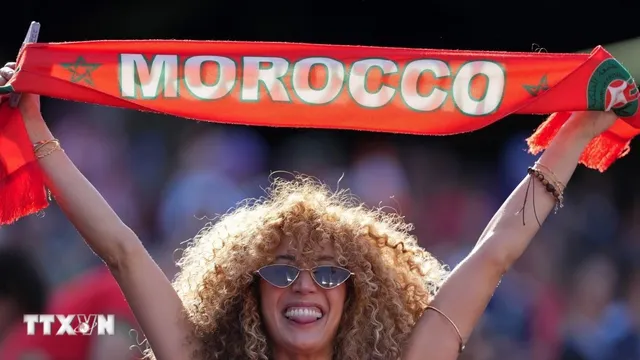
One of the primary goals of this initiative is to add an additional 60,000 hotel rooms by 2030, significantly increasing accommodation capacity to meet the anticipated demand from international visitors. The Moroccan Minister of Tourism, Fatim-Zahra Ammor, has highlighted that the World Cup is not merely a short-term objective but serves as a catalyst for the country’s broader tourism development strategy. Following Morocco's historic achievement as the first African and Arab nation to reach the semifinals of the 2022 World Cup, the government is keen to leverage this momentum to foster sustainable growth in the tourism sector, which already employs hundreds of thousands of people and contributes around 7% to the nation’s GDP.
Enhancing Infrastructure and Expanding Tourist Markets
The extensive investment will encompass vital infrastructure projects, including the development of railways, roads, airports, and stadiums, along with urban development initiatives designed to enhance the overall tourist experience. Morocco's successful hosting of the World Cup is anticipated to create a ripple effect, boosting tourism revenue and increasing international interest in the country as a premier travel destination.
Recent statistics reveal that Morocco has already increased its accommodation capacity by 45,000 hotel rooms over the last four years, bringing the total to over 300,000 rooms. The country welcomed nearly 20 million international tourists in 2025, establishing itself as Africa’s most popular travel destination. With an ambitious target of attracting 26 million visitors by 2030, Morocco is poised to become a beacon of tourism in the region. The central bank of Morocco forecasts that tourism revenues could reach a record high of about $17 billion by 2027, a significant increase from the $14.5 billion reported in 2025. The rise in flight connections from Europe to Morocco further supports this growth trajectory.
To diversify its tourist market, Morocco intends to strengthen air connections with major markets such as China, the United States, and the Middle East, reducing its reliance on well-known attractions like Marrakech and Agadir. The capital city, Rabat, is set to evolve into a hub for cultural, sports, and tourism events, including conferences and seminars. Minister Ammor emphasized that the current investments are designed to create lasting value for the Moroccan tourism sector beyond the 2030 World Cup.
As reported by vietnam.vn.