
Investing in the Future of Western Sahara
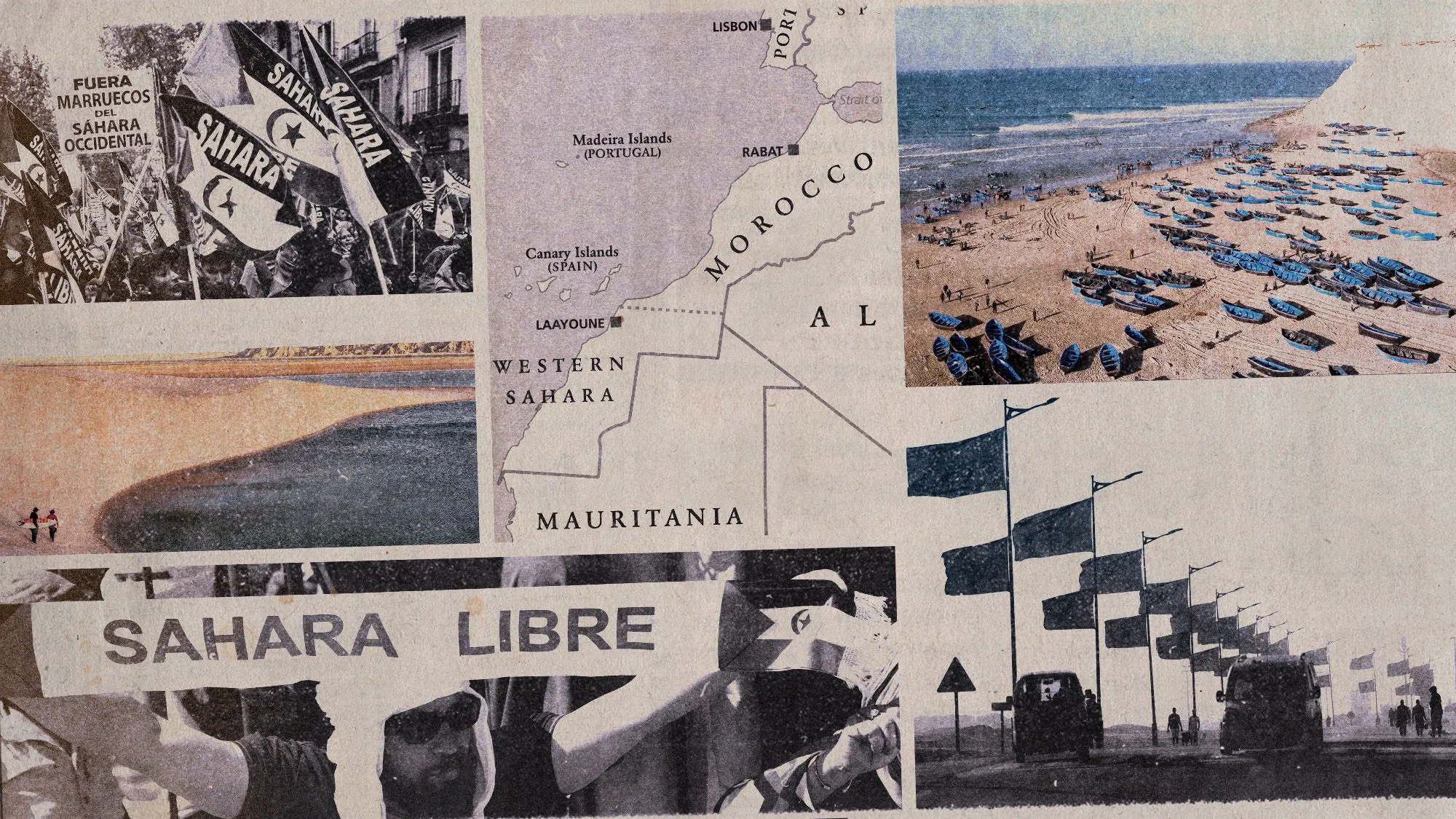
The city of Dakhla, located on a stunning peninsula where the Sahara Desert meets the Atlantic Ocean, is often marketed as "Morocco's hidden gem." However, visitors arriving in this part of Western Sahara may be unaware that they are stepping into one of the longest-standing territorial disputes in the world. Once a Spanish colony, Western Sahara was annexed by Morocco in 1975, igniting a conflict between the Moroccan state and the indigenous Sahrawi people, who are represented by the Polisario Front and maintain a government-in-exile in Algeria. Currently classified by the United Nations as a "non-self-governing territory," approximately 80% of Western Sahara is under Moroccan control, separated from the Sahrawi-administered eastern part by a buffer strip. Despite numerous UN-mediated discussions aimed at resolving this issue, a lasting solution remains elusive.
In recent years, Morocco has made substantial investments in Western Sahara, pouring around £7 billion since 2015 into infrastructure and development projects aimed at revitalizing the region. As reported by The Spectator, these initiatives include the construction of water desalination plants, the development of over 620 miles of motorways, and ambitious plans for eight green hydrogen plants, along with a flagship £1 billion Dakhla Atlantic Port. This port is expected to facilitate the passage of 35 million tons of goods annually upon completion, marking a significant economic milestone for the region.
Shifting International Perspectives and Economic Opportunities
King Mohammed VI's vision for what he refers to as Morocco's "Southern Provinces" aims to transform the coastline of Western Sahara into a thriving hub for business and tourism. Notably, renowned filmmaker Christopher Nolan chose to shoot scenes for his film "The Odyssey" in the picturesque White Dune near Dakhla, which has sparked hopes that this unique destination will attract tourists eager to explore its scenic landscapes. Many stakeholders envision Dakhla becoming a future equivalent of Dubai, a global business and tourism hotspot.
The region is not only rich in beauty but also in natural resources, with surveys indicating the presence of promising deposits of gold, silver, and iron. These resources present further economic opportunities for Morocco, which is eager to capitalize on the region's potential. However, the ongoing conflict remains a sensitive issue; the annexation of Western Sahara has resulted in a significant refugee crisis, with approximately 173,000 Sahrawi refugees residing in camps in Algeria. Many of these individuals have never set foot in their ancestral lands, where their families originated, highlighting the human cost of this prolonged territorial dispute.
In recent years, international opinion has shifted increasingly in favor of Morocco's autonomy plan for Western Sahara. Spain has expressed support for this initiative, while both France and the United States have recognized Morocco's sovereignty over the territory. In a significant move, the UN Security Council recently approved a resolution that strongly endorses Moroccan control over Western Sahara, notably omitting any reference to the independence referendum sought by the Polisario Front. This development reflects a changing tide in international diplomacy concerning the region, as Morocco continues to strengthen its claims and control.
Recently, former President Donald Trump acknowledged Moroccan authorities for allegedly naming a highway after him, a gesture that, while unconfirmed, underscores the close ties between the US and Morocco. This relationship has been pivotal in advancing Morocco's interests in Western Sahara, with the US Department of Commerce announcing funding for a new ammonium project in the region, adding an economic dimension to the ongoing territorial claims.
As reported by theweek.com.