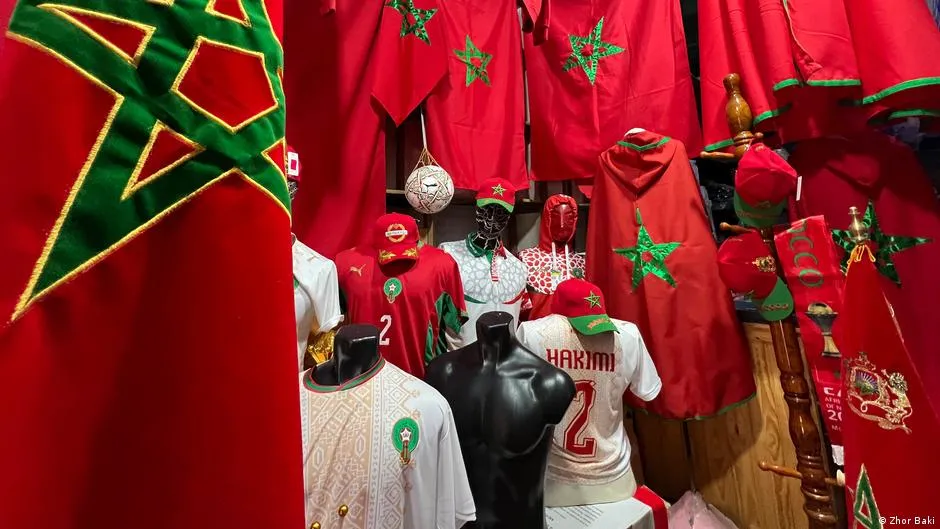

Morocco's Strategic Investment for the 2030 World Cup
For Morocco, the 2030 FIFA World Cup represents far more than just a sporting event; it is a monumental opportunity to reshape the nation's image and boost its economy. The Kingdom is currently investing billions into infrastructure and high-profile projects, aiming to leverage the global spotlight that the World Cup will bring. Following a historic semi-final appearance in the 2022 World Cup and a promising 1-1 draw against Brazil in the 2026 tournament, Moroccan fans are filled with hope that their national team will continue to make history. However, while the spotlight is on the upcoming North American tournament, the focus in Morocco is already shifting towards 2030, when the country will co-host the World Cup alongside Spain and Portugal.
The Broader Implications of Hosting the World Cup
The significance of the World Cup for Morocco extends beyond soccer. After five unsuccessful bids to host the event, the FIFA awarded Morocco the rights in December 2024, marking the World Cup as one of King Mohammed VI's flagship projects in a broader modernization strategy. Steven Höfner, head of the Konrad Adenauer Foundation office in Rabat, notes that the World Cup serves as a catalyst for Morocco's economic development amidst a profound structural transformation. With agriculture losing ground due to climate change and drought, the nation is now focusing on expanding its industrial, service, and tourism sectors.
Isabelle Werenfels from the German Institute for International and Security Affairs (SWP) emphasizes that the World Cup encompasses multiple dimensions, using the tournament to gain momentum for modernization policies and legitimize significant investments internally. Currently, Morocco is channeling substantial funds into building stadiums, airports, railways, and roads. An analysis from the Spanish think tank Real Instituto Elcano describes the 2030 World Cup as a tool for Morocco's 'soft power'. The tournament aims to enhance the international perception of the country, attract new investments, and strengthen Morocco's position within Africa, all while creating a compelling image of a modern, open, and thriving nation capable of managing high-level projects.
Despite the enormous potential, the investments have sparked some controversy. Last year, many members of Generation Z protested against the World Cup plans, particularly voicing their concerns about the prioritization of large infrastructure projects over essential services like education and healthcare. Höfner points out that the protests were less about the World Cup itself and more focused on whether stadium projects should take precedence over investments in critical public sectors. The long-term acceptance of these investments will depend on whether the general population feels the benefits of these developments.
As Morocco navigates through this ambitious undertaking, it must address significant challenges, including high youth unemployment, regional disparities, and educational deficiencies, even as it enjoys considerable progress over the past 25 years. While life expectancy, income, and educational levels have risen, the nation must ensure that the benefits of the World Cup translate into tangible improvements for its citizens. Many people are proud of the visible changes in their cities, such as new transportation links and public facilities, yet these developments also carry social costs, including relocations and demolitions for new construction projects.
The ongoing debate about whether the World Cup will leave behind sustainable development or merely expensive prestige projects reflects a broader concern. Questions about the long-term viability of sports infrastructure, especially the planned Hassan II Stadium near Casablanca, which is set to be the world's largest soccer stadium with a capacity of around 115,000, remain unanswered. Additionally, ecological challenges persist, particularly concerning water scarcity, prompting discussions about the sustainability of tourism and the potential impacts on agriculture.
Many still harbor hope that the World Cup could trigger significant development for Morocco. The Real Instituto Elcano draws historical parallels, suggesting that just as the 1992 Olympics redefined Spain's international standing, the 2030 World Cup could serve as a pivotal moment for Morocco. However, whether these expectations will materialize depends on more than just new stadiums and successful soccer matches; the true test will be Morocco's ability to harmonize economic modernization, social progress, and national prestige projects. Thus, the 2030 World Cup is not merely a sporting event; it is a litmus test for the country's future development trajectory and the political vision of its monarchy.
As reported by dw.com.