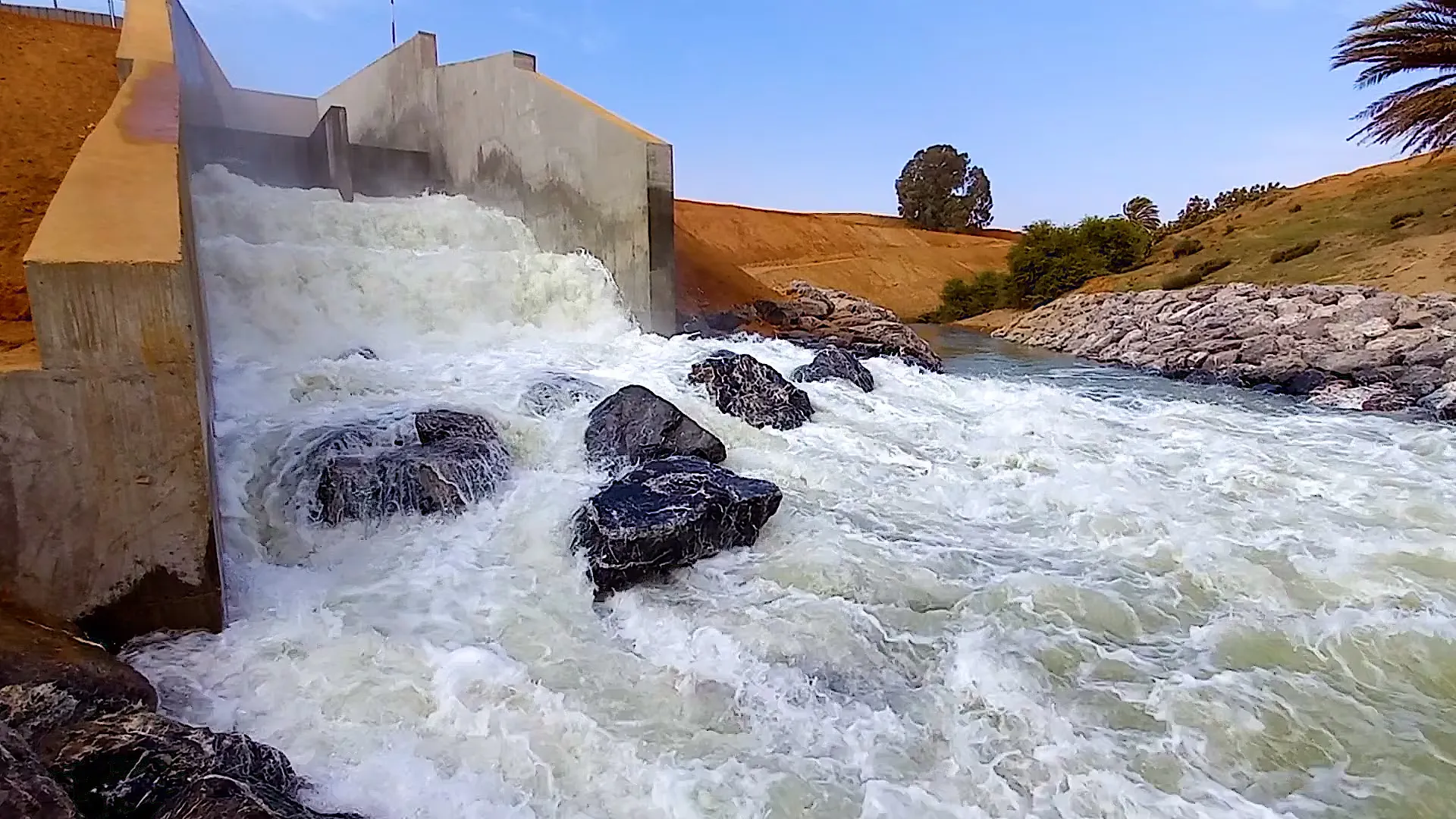

Transforming Water Supply in Morocco
Morocco is on the brink of significant advancements in its national hydraulic network with the introduction of an ambitious interconnection project linking the Sebou and Oum Errbia river basins. This extensive infrastructure initiative will stretch nearly 300 kilometers and is designed to facilitate the transfer of up to 800 million cubic meters of water annually. By enhancing the water supply system, the project aims to address the escalating needs for potable water in key areas such as Settat, Berrechid, and regions located south of Casablanca.
This interconnection is not just about meeting urban demands; it also holds promise for the agricultural sector in the Oum Errbia basin, where it will provide additional irrigation resources for an estimated 176,000 hectares of farmland. According to the Ministry of Equipment and Water, the project is pivotal in ensuring water security for cities while simultaneously sustaining agricultural activities, which are essential for local economies and food production.
Expanding Water Resources and Future Prospects
But this is only the beginning. Future phases of the project are set to extend the transfer network towards the Al Massira dam, with the overall transfer capacity projected to reach approximately 1.2 billion cubic meters per year upon the completion of all phases. This progressive enhancement of water resources is expected to significantly bolster the water supply for both urban and agricultural needs across the region.
The current initiative builds upon the success of the initial interconnection between the Sebou and Bouregreg basins, which was a pioneering large-scale application of this water transfer approach. Launched in December 2022, this first segment, measuring about 67 kilometers, has successfully channeled substantial volumes of water from the Sebou basin—previously flowing into the Atlantic Ocean—into the coastal strip between Rabat and Casablanca, which faced severe water shortages. Initially limited to a flow rate of 3 cubic meters per second, this capacity has been gradually increased to 15 cubic meters per second, surpassing earlier projections for annual water transfer volumes.
The successful implementation of these interconnections not only alleviates water scarcity but also acts as a crucial measure for sustainable resource management, underscoring Morocco's commitment to addressing water-related challenges in a proactive manner.
As reported by fr.le360.ma.