
Morocco's Vision for Sahel Connectivity
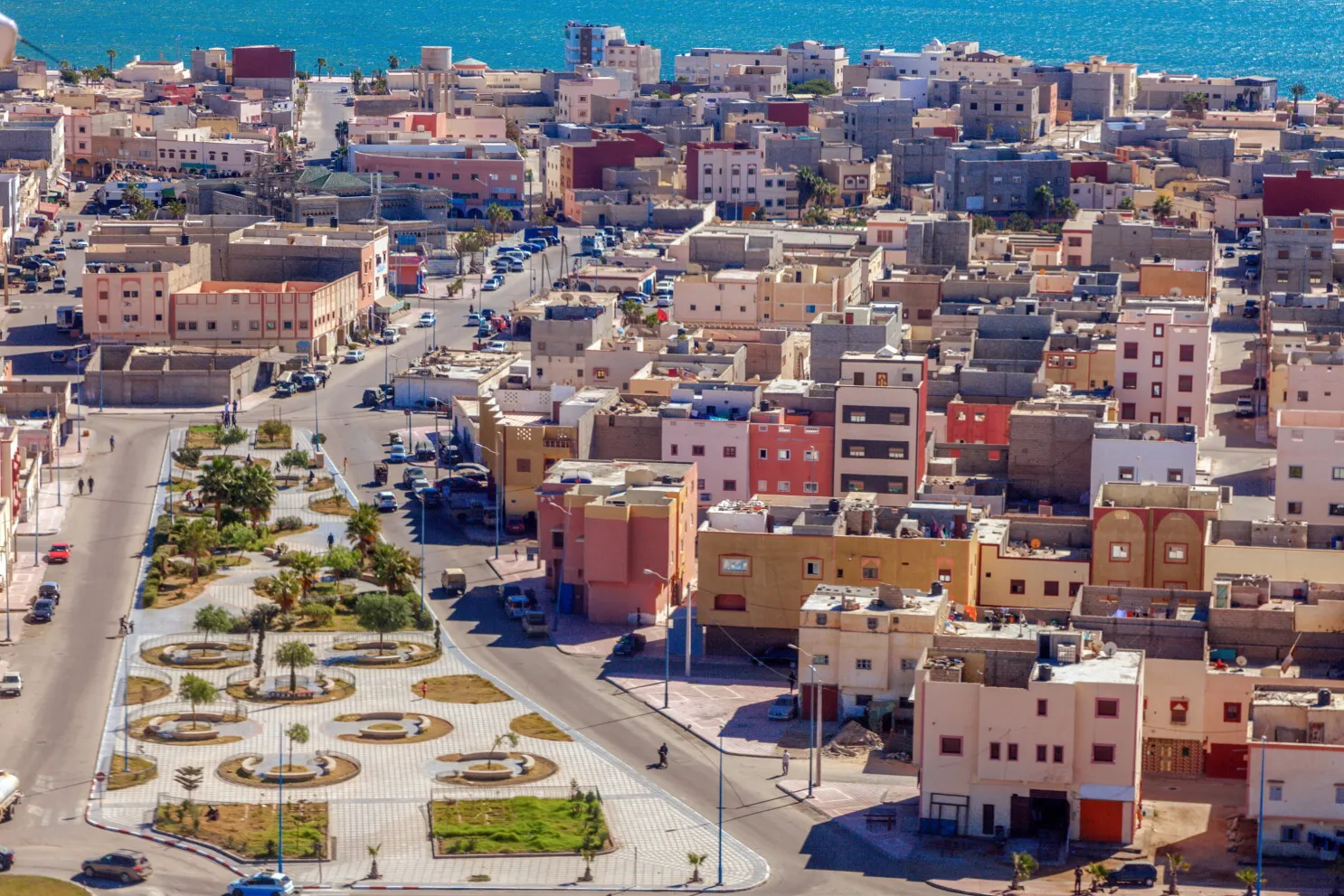
An aerial perspective of Dakhla, located in Western Sahara, Morocco, captures the essence of a transformative initiative aimed at linking landlocked Sahel nations to the vast Atlantic Ocean. On July 24, 2026, Mali reaffirmed its commitment to this ambitious plan, which seeks to enhance trade and connectivity for countries like Mali, Niger, Burkina Faso, and Chad. This agreement, announced at the conclusion of a Moroccan-Malian cooperation commission in Bamako, signifies a strategic shift that extends far beyond mere economic transactions. By leveraging its ports, expansive road networks, and rail systems, Morocco aims to solidify its diplomatic relations across the Sahel region.
Initiated by King Mohammed VI during a pivotal speech on November 6, 2023, the initiative underscores the necessity of integrating military and security measures with infrastructural development to address the multifaceted challenges facing Sahel states. King Mohammed VI emphasized the importance of tying these nations into Morocco's existing transport and communications frameworks, thereby facilitating access to critical infrastructure that can boost economic opportunities.
The Road to Implementation and Its Significance
Transitioning from rhetoric to actionable diplomacy, Morocco hosted foreign ministers from Mali, Niger, Burkina Faso, and Chad in Marrakesh on December 23, 2023, to engage in discussions about the initiative. Subsequent meetings and endorsements from these nations in 2025 and 2026 further illustrate the growing support for the program. Notably, the Sahel Alliance, comprising Mali, Burkina Faso, and Niger, has distanced itself from various Western security initiatives while simultaneously fostering robust relations with Morocco, which offers a unique alternative by providing access rather than solely imposing conditions.
The geographical context of this initiative is critical, as Mali, Niger, and Burkina Faso are landlocked and heavily reliant on neighboring countries for access to international markets. Morocco’s proposal to connect these economies through its Atlantic ports, especially the anticipated Dakhla port, positions it as a central player in facilitating trade. The U.S. State Department's 2025 investment report highlighted Dakhla’s role in connecting the Sahel states as part of Morocco’s broader Atlantic Initiative, indicating the strategic importance of this infrastructure.
Furthermore, King Mohammed VI's linkage of this initiative to a comprehensive Atlantic strategy highlights Morocco's vision of creating a regional trade network that encompasses not only African littoral states but also key infrastructural developments, such as the Morocco-Nigeria gas pipeline. This approach transcends simple road construction; it is about fostering a regional interconnectivity that enhances trade, infrastructure development, and access to global markets.
The implications of Morocco’s Atlantic Initiative extend beyond economic considerations, as it may reshape diplomatic relations in the Maghreb and Sahel regions. The ongoing rivalry between Morocco and Algeria, particularly influenced by the Western Sahara dispute, could see a shift in dynamics if Sahel governments increasingly rely on Moroccan infrastructure and logistical support. While infrastructure alone does not dictate alliances, it can cultivate mutual interests that countries strive to protect.
As the initiative continues to evolve, it remains essential for stakeholders, including the U.S. government, to recognize its potential beyond traditional aid frameworks. Rather than solely endorsing Moroccan territorial ambitions, Washington should assess whether the initiative can effectively alleviate the economic isolation contributing to instability in the Sahel and offer new avenues for engagement with governments that have distanced themselves from Western partnerships. A comprehensive evaluation of commercial viability, financing needs, customs challenges, and the willingness of participating governments to commit to the projects will be crucial for the initiative's success.
In conclusion, while Morocco's Atlantic Initiative is still in its formative stages, the recent commitment from Mali indicates a willingness among Sahel governments to explore this vision further. It is imperative for Washington to adopt a broader perspective and recognize Morocco's strategic significance not only in the Mediterranean and Middle East contexts but also in the evolving landscape of Sahelian policy.
As reported by meforum.org.